

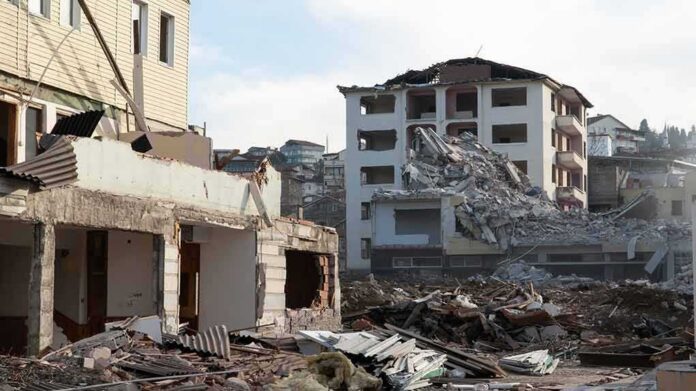
Israeli troops bulldozed homes in Hebron within hours of a deadly checkpoint shooting, and by the next day local officials said thousands of Palestinians had been pushed out of their neighborhoods.
Story Snapshot
- Two Palestinian gunmen killed two Israeli soldiers and wounded three more at a checkpoint near Hebron.
- Prime Minister Benjamin Netanyahu ordered Hebron sealed off, and troops began tearing down buildings near the attack site.
- Hebron’s mayor says between 1,200 and 2,200 residents were forced from their homes, with some families sleeping outside overnight.
- Palestinian officials, a local rights activist, and the Israeli group B’Tselem call the demolitions collective punishment.
- Israeli officials describe the operation as “targeted and limited,” aimed at finding weapons and destroying attack infrastructure.
Checkpoint Attack Triggers Swift Military Response
Two Palestinian gunmen opened fire on an Israeli military checkpoint near Hebron, killing two soldiers and wounding three others before Israeli forces killed the attackers. Within hours, Netanyahu announced a sweeping crackdown, promising to go “house to house” and seize weapons tied to the attackers. Troops moved into the attackers’ neighborhood and measured their homes ahead of planned demolitions.
The Israel Defense Forces and Shin Bet described the response in careful terms, calling it “precise, targeted and thorough,” limited to the area where the gunmen had operated. Officials said troops were searching for “illegal structures that could pose a security threat” and dismantling what they called terrorist infrastructure. Netanyahu suggested the approach could expand to other West Bank cities, raising questions about how narrow the operation really was.
Mass Displacement Follows Demolition Orders
Hebron Mayor Yousef al-Ja’bari said Israeli forces pushed roughly 2,200 people from their homes as demolitions spread beyond the attackers’ residences into the Ein Deir Baha and Farsh al-Hawa neighborhoods, hitting homes, businesses, and industrial buildings. Other reports put the displacement figure closer to 1,200. Dozens of families reportedly spent the night outside, some told to leave without even taking their cars.
Hebron civil rights activist Issa Amro said he and his neighbors had nothing to do with the attack. “We are being collectively punished for something we neither did nor supported,” he said. The Palestinian Authority called the demolitions, evacuations, and city closures collective punishment and asked for international help. The Israeli rights group B’Tselem warned the offensive’s scale could amount to acts that “could constitute war crimes”.
A Familiar Pattern With Unanswered Questions
This is not new territory for Israeli forces. United Nations monitors tracked more than 1,800 Palestinians displaced by home demolitions across the West Bank and East Jerusalem so far this year, most for lacking Israeli-issued building permits that are notoriously hard for Palestinians to get. Punitive demolitions tied to specific attacks are a smaller, separate category, but both routinely draw accusations of collective punishment from humanitarian groups.
📰 Israeli army: We carried out offensive activity in around 40 villages and 400 locations across the West Bank
💬 Analysis
This announcement points to the Israeli occupation shifting from localized raids to a broad, multi-area campaign combining arrests, road closures, and…— Middle East Brief | News & Intelligence (@MEBriefNews) October 24, 2026
Whether demolitions actually stop future attacks remains disputed among researchers. Some older studies suggested selective demolitions could deter violence, while others found that broader, less targeted demolitions fueled anger and backfired, leading to more attacks rather than fewer. Israeli officials have not released building-by-building evidence linking each demolished structure to weapons or attack planning, leaving outside observers to weigh competing claims without full access to the military’s case. An arrest or demolition order is not the same as a court finding, and that gap is part of why this story keeps repeating.
Sources:
bbc.com, cnn.com, timesofisrael.com, store.jpost.com, dw.com, commondreams.org, aljazeera.com, uk.news.yahoo.com, un.org, ochaopt.org