
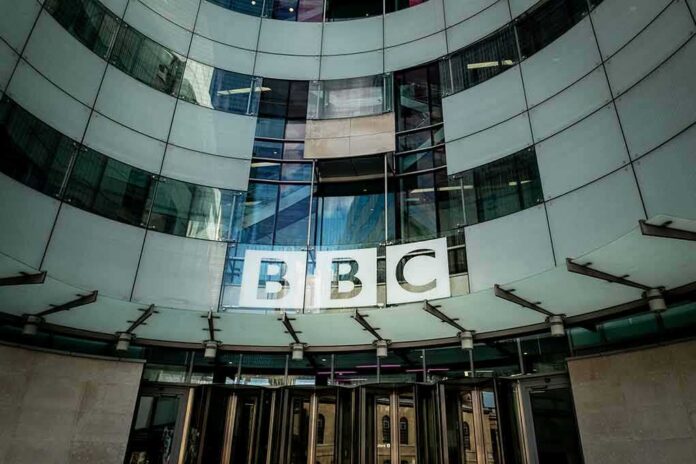
A federal judge has ordered President Trump to sit for sworn questioning by December 11 in his $10 billion defamation fight with the BBC, forcing a reckoning over whether an editing mistake the network already admitted crosses the line into illegal defamation.
Quick Take
- A judge ordered Trump to give a deposition by December 11 in his $10 billion lawsuit against the BBC.
- The BBC admitted its documentary edit wrongly made it look like Trump directly called for violence on January 6.
- The BBC says the edit was a mistake, not malice, and wants the case thrown out.
- The case turns on a tough legal standard: proving the BBC knew it was wrong or recklessly ignored the truth.
Judge Sets Hard Deadline For Trump’s Testimony
A federal judge ordered Trump to appear for a deposition by December 11 in his defamation case against the BBC, confirming the fight has moved from public threats into formal courtroom discovery. The order also warned that skipping the deposition could bring sanctions, including possible dismissal of Trump’s own claim. Lawyers for both sides have already clashed over how and when the questioning will happen.
The lawsuit, filed in federal court, seeks $10 billion, though Trump originally threatened a $1 billion claim when the dispute first surfaced. That jump in the demanded payout has drawn almost as much attention as the underlying claim itself, with some coverage focusing more on the size of the number than on the edited footage that started it all.
What The BBC Actually Admitted
The dispute centers on a Panorama documentary that spliced together clips from Trump’s January 6 speech taken from two different points, nearly an hour apart, so they appeared to be one continuous statement. The BBC acknowledged the edit “unintentionally created the impression” that it was airing a single, continuous section of the speech, and said this falsely suggested Trump had made “a direct call for violent action”.
BBC Chair Samir Shah called the editing an “error of judgement” and personally apologized to Trump in writing. That is a significant admission from one of the world’s most recognized public broadcasters, and it gives Trump’s legal team a documented starting point rather than a bare accusation. But admitting a misleading edit is not the same as admitting a crime.
Why An Apology Doesn’t Equal A Legal Loss
Defamation law for public figures like a sitting president sets a high bar. Courts generally require proof that a news organization knew a statement was false or recklessly ignored strong signs it was false, a standard known as actual malice. The BBC says there was no malice at all, calling the edit an honest mistake rather than a deliberate attempt to hurt Trump.
The broadcaster has also argued the programme doesn’t meet the legal bar for defamation and was never shown on its American platforms, and it claims Trump wasn’t harmed anyway since he won re-election shortly after the documentary aired. Those arguments don’t erase the editing error, but they target the specific legal elements Trump’s case must prove beyond the mistake itself.
A Deposition Cuts Both Ways
The December 11 deadline doesn’t just pressure Trump to answer questions. It also opens him up to being questioned under oath about what damage he actually suffered, how he defines the harm, and why he waited to sue. Until that testimony happens, the public record lacks his sworn account of the losses he says the editing caused him.
The news article from the Associated Press reports that a federal judge has ordered Donald Trump to sit for a deposition in his defamation lawsuit against the BBC by December 11.
— Ric Ball 🌈✌️🤟🏼 🕎🌻🚫fascism. (@ricball) October 22, 2026
This case lands inside a broader pattern of Trump filing large, public defamation suits against major news outlets, several of which courts have ultimately rejected on the same actual-malice grounds the BBC is now raising. That history doesn’t decide this case, but it shapes how skeptically courts may approach a headline-grabbing dollar figure attached to an admitted, if unintentional, editing error. For now, the core fact remains undisputed: the BBC got the edit wrong and said so. Whether that wrong amounts to defamation is now a question for sworn testimony and a federal judge, not a press release from either side.
Sources:
cbsnews.com, nbcnews.com, bbc.com, yakimaherald.com, dw.com