
France’s nationwide protests turned violent with more than 1,800 arrests, and President Trump urged Paris to “close your Borders” to stop the chaos.
Story Snapshot
- French police reported at least 1,800 arrests as looting, arson, and clashes hit several cities.
- President Trump said immigration drove the unrest and called on France to close its borders.
- French leaders blamed far-left groups, criminals, and cost-of-living anger, not migrants.
- European rules allow short-term border checks in a crisis but make full closure complex.
What Happened On The Ground In France
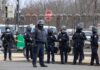
French authorities said violent groups hijacked mass protests over living costs and school conditions. Police reported more than 1,800 arrests nationwide after clashes, arson, and looting in several cities. Reports described damage to public buildings and shops as firefighters and officers worked through the night. Officials said most marchers were peaceful, but some groups turned to crime and vandalism as crowds thinned. The unrest cut across multiple regions, making it a national public order test for Paris.
Authorities also tallied damage to public offices and local town halls. News coverage cited fires at government buildings and smashed store fronts in parts of the capital region and beyond. Interior officials emphasized that investigations were ongoing to identify those who planned or carried out the most serious acts. The scale of arrests and the spread of incidents showed how a large protest wave can strain city services and police capacity, even when most people aim to march without violence.
What President Trump Said And Why It Matters
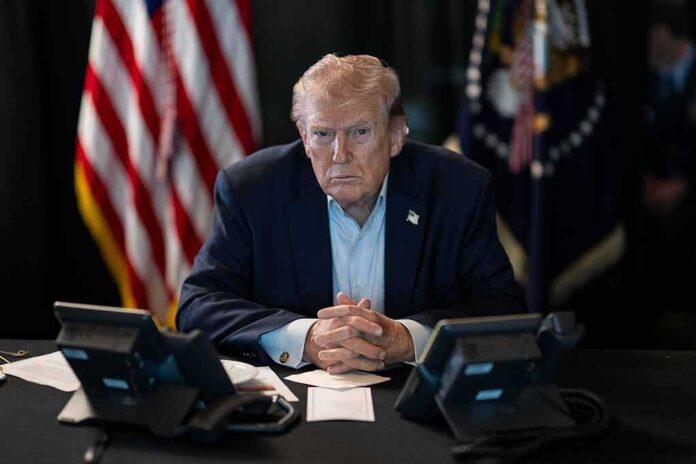
President Trump posted that “France is burning,” blamed immigration for the violence, and urged France to “Close your Borders and take control.” His message tied public disorder to border policy and warned of deeper decline without tough steps. The post drew wide pickup across outlets in the United States and Europe. Trump’s framing echoed long-running concerns about illegal migration, public safety, and strains on services that many voters on the right and some on the left now share.
Trump’s call, however, met a fast pushback from French officials and outlets reporting their claims. Interior Minister Laurent Nuñez said the riots came on the margins of peaceful marches and highlighted policing and prosecutions. French leaders cited far-left agitators, criminal opportunists, and anger over prices and school conditions. Reporters added that authorities had not linked immigrants to the violence based on evidence released so far. The clash over causes shaped how both sides framed next steps.
How French Leaders Are Responding
President Emmanuel Macron said there is no place for violence and promised that people who attack public buildings, police, or businesses will be prosecuted. His government drew a firm line between the right to protest and acts of deliberate disorder. Unions called for higher wages, lower prices, and better public services, keeping attention on domestic economics. This path points to policing, courts, and social policy as the near-term tools, not border changes, to calm streets and address public anger.
Prime Minister Sébastien Lecornu and other officials named radical far-left groups and criminals as the main drivers of riots and looting. They warned against trying to use the crisis for political gain. That stance reflects a belief that most protesters remain peaceful and that the answer is targeted law enforcement rather than sweeping immigration measures. It also shows how European leaders often try to separate public safety steps from broader debates over migration policy during fast-moving unrest.
Borders, Europe, And What “Close Your Borders” Would Take
European rules allow countries to bring back internal border checks for a short time when facing a serious threat to public order or security. Several countries have used this option during migration spikes or security scares. The Schengen system, however, treats full internal closures as a last resort. Any step must be necessary, limited, and reviewed. That structure makes a total and open-ended closure difficult, even during tense periods like this one in France.
The hard truth is that public trust is thin. Many conservatives blame years of open-border thinking and weak enforcement. Many liberals blame rising prices, failing services, and social divides. Both sides increasingly agree on one point: leaders wait too long, talk in circles, and protect their own jobs. This unrest shows how quickly local pain can explode when people feel unheard. Clear facts, fast accountability, and honest goals are the only way back from the edge.
Sources:
tass.com, fr.jpost.com, bbc.com, abcnews.com, cnbc.com, sciencespo.hal.science