

After pleading guilty to fatal smuggling charges, a Guatemalan organizer was sentenced to 30 years for the tractor-trailer tragedy that left 53 migrants dead in Texas.
Story Snapshot
- A federal judge gave 30 years to a smuggling organizer tied to 53 deaths.
- Prosecutors said he helped coordinate travel from Guatemala through Mexico.
- Sixty-four people were packed into a trailer whose cooling failed en route.
- Two co-conspirators in the same plot earlier received life sentences.
Guilty Pleas and a 30-Year Sentence in a Mass-Casualty Case
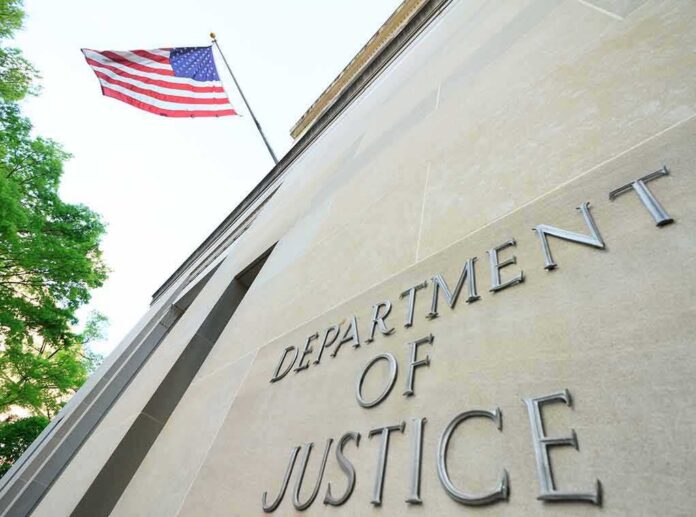
Federal prosecutors said Marlon Miranda-Orozco pleaded guilty to three crimes that require a death or serious injury result. A United States judge sentenced him to 30 years for his role in the 2022 San Antonio tractor-trailer deaths, where 53 migrants lost their lives. The United States Department of Justice (DOJ) said first responders found the truck on June 27, 2022. Forty-eight people died at the scene. Five more died at a hospital, bringing the toll to 53.
The DOJ said court records show Miranda-Orozco worked with other smugglers to move people from Guatemala through Mexico to the United States. Prosecutors described him as an organizer who coordinated parts of the travel and helped arrange the trip that led to the mass deaths. The plea and sentence follow a long investigation and cross-border arrests that tied several people to the plot and its deadly outcome.
How the Trip Turned Deadly Between Laredo and San Antonio
Reporting from a related case said smugglers loaded 64 people into a tractor-trailer near Laredo for a more than 150-mile trip to San Antonio. During the drive, the trailer’s air-conditioning system failed. A driver later told investigators that he heard banging and screams from inside. By the time the truck stopped, heat and lack of air had killed dozens. The event is the deadliest known migrant-smuggling tragedy on record in the United States.
Prosecutors linked Miranda-Orozco to individual victims. They said he recruited three migrants for the journey. Two of those recruits died in the trailer, and one survived. Officials said he was active at the start and end of the trip, showing his connection to the broader scheme. The public filings summarized by the DOJ do not include all records used by the court, but they anchor his role in the fatal chain of events.
Other Sentences and What This Case Signals for Policy
Two other leaders in the same smuggling conspiracy received life in prison after their convictions, showing the court’s view of the operation’s gravity. Those convictions and sentences sit alongside Miranda-Orozco’s 30-year term and mark a strong justice system response to profit-driven smuggling that cost many lives. The DOJ has framed these results as a warning to networks that exploit migrants and cut safety to boost speed and revenue.
This case also reflects a broader pattern around the border. Tighter enforcement over time has pushed crossings to riskier routes and increased reliance on smugglers. Academic work and federal reviews link those shifts to higher danger and more deaths, even as people still try to reach jobs or family in the United States. That context does not change personal guilt in this case, but it explains why tragedies like this keep happening.
Why It Matters Across the Political Spectrum
Families on both sides of the border bear the cost when criminal groups treat people as cargo. Taxpayers fund large investigations and cross-border operations. Communities then face the moral and security fallout. Conservative readers see a preventable crime tied to open routes for smugglers. Liberal readers see the human price when legal paths are scarce. Many Americans agree on this point: when systems fail, ruthless actors fill the gap, and ordinary people pay with their lives.
Sources:
washingtontimes.com, justice.gov, dailywire.com, kens5.com, noticias.uol.com.br