
More than 1,000 Ukrainian drones set oil sites ablaze in St. Petersburg, exposing how a promised “energy truce” never truly took hold and how civilians remain caught between dueling claims and burning fuel depots.
Story Highlights
- Over 1,000 drones targeted Russia, with fires at a St. Petersburg oil terminal and depot.
- Ukraine said it paused under a proposed energy ceasefire but resumed after Russian strikes.
- The Kremlin said no clear ceasefire terms existed and played down damage claims.
- Independent analysts reported major hits to Russia’s refining output earlier this year.
What Happened in St. Petersburg
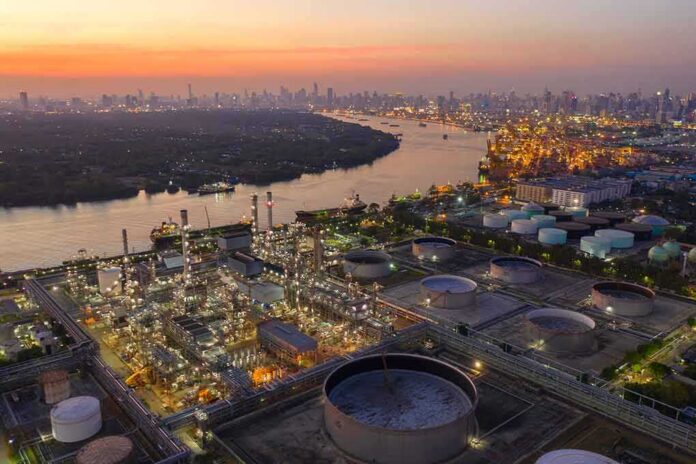
Local leaders in St. Petersburg reported fires at the Petersburg Oil Terminal and the Ruchi oil depot after a massive overnight drone strike. Emergency crews worked to contain the blazes, and officials reported one person dead and five injured. Reports also mentioned damage near industrial warehouses in the Kolpinsky District. The attack reached far from the front and marked one of Ukraine’s deepest strikes into Russian territory to date, using a large drone swarm to overwhelm defenses.
Ukrainian officials framed the targets as part of Russia’s war supply chain. They have long argued that refineries, depots, and related fuel hubs feed the Russian military. President Volodymyr Zelenskyy has said cutting fuel revenue and logistics is central to weakening Russia’s war effort. Ukrainian accounts tied the latest wave to a pause-and-resume pattern: Kyiv said it held back under a proposed pause on energy attacks but restarted after new Russian hits on Ukrainian energy sites.
The Disputed “Energy Truce” and Dueling Claims
Confusion over the energy pause has fueled mistrust. News reports linked the pause to an announcement by President Trump, but Moscow said the scope had not been agreed. The Kremlin stated it wanted a longer-term peace, not a ceasefire, and that talks on an energy arrangement were still underway. Russian leaders also claimed Ukraine violated any pause first, and said their own strikes were retaliatory, not initiating a new round of attacks.
These conflicting statements matter because they shape public judgment on who escalated and why. Ukraine’s case rests on the claim that Russia continued to strike its energy grid despite the pause. Russia’s case argues no binding deal ever existed, so Ukraine’s large drone raids were unprovoked. The record shows confirmed fires and casualties in St. Petersburg. It does not show a jointly accepted, written truce with clear verification rules, making accountability harder to judge across borders.
Damage, Capacity, and What We Can Verify
Russian leaders played down the strategic effect, saying Ukrainian strikes caused nothing “particularly significant.” Ukraine claimed much larger impacts, even citing more than half of Russia’s refining capacity disrupted this year. These claims conflict. Independent checks earlier in 2026 found real pressure on Russia’s fuel system. The International Energy Agency reported refinery throughput down about thirty percent in June versus the prior year, and Moscow limited fuel exports. Those numbers predate the latest wave but show meaningful strain.
Independent reporting also tracked a wide pattern of strikes on Russian refineries. A Washington Post analysis found at least two-thirds of thirty-six major refineries were hit between April and August 2026. That pace averaged about one strike every three days among facilities it tracked. This record does not confirm every new claim today, but it supports the broader reality that refinery attacks have been frequent, deep, and often effective at forcing repairs and outages.
Risks to Civilians and Why Both Sides Should Worry
Drone strikes on oil sites inside cities create clear risks for ordinary people. Fires, toxic smoke, and blast debris can spread fast in urban areas. International humanitarian law treats energy systems mainly as civilian objects unless they directly support military action. Even then, any side that attacks must take precautions and avoid excessive harm compared with the military gain. Neither government has released public targeting packets that would let outsiders judge those steps in detail today.
Ukraine Defies Trump With Record Drone Attack on Russia
The overnight strikes hit oil terminals and infrastructure in St. Petersburg, killing one person and wounding others as Kyiv resumes targeting Russian energy sites.
Read: https://t.co/hmMt92bjSh pic.twitter.com/rIljmrxvAn
— Real Truth Media (@RealTruth) October 18, 2026
Americans watching this fight see a pattern they know too well: leaders argue over process while regular people face the fallout. Conservatives worry that global entanglements, endless spending, and elite double-speak keep feeding wars with no clear limits. Liberals worry that the poorest pay the highest price as fuel shocks ripple through prices, jobs, and public services. Both sides see a system that drifts, with fuzzy deals and moving lines, while fires burn and families absorb the cost.
What to Watch Next
Watch for verified records of any Russian strikes on Ukrainian energy sites during the pause. Look for clear documents defining the energy truce, if any existed, and whether both sides accepted it. Track satellite images, refinery outage data, and export flows to judge real damage over time. If leaders want to stop this spiral, they need transparent rules and real enforcement. Without that, expect more drone swarms, more fires, and more danger for people far from the front.
Sources:
military.com, npr.org, abcnews.com, bbc.co.uk, bbc.com, apnews.com, reuters.com, aljazeera.com, iea.org, blogs.icrc.org, washingtonpost.com, forbes.com