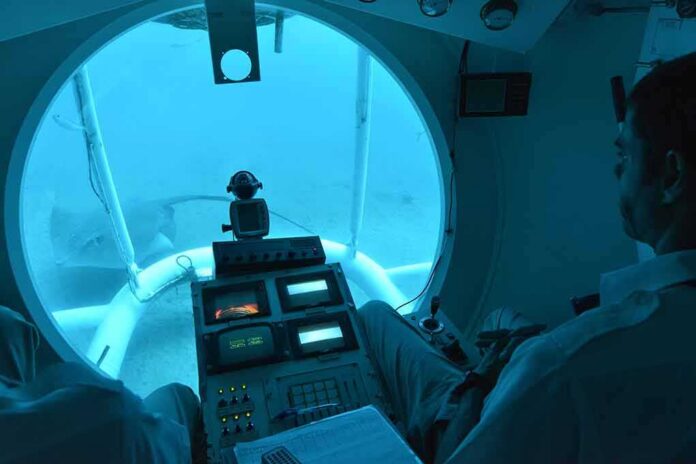
A longtime colleague says OceanGate’s chief knew Titan could implode—and chased Titanic fame anyway.
Story Snapshot
- Karl Stanley claims Stockton Rush knowingly accepted a fatal implosion risk to become “Titanic mythology.”
- A U.S. Coast Guard probe later called the 2023 Titan implosion “preventable” and faulted OceanGate’s safety culture.
- Public statements show Rush framed safety as a risk-reward choice and touted innovation over certification.
- The clash highlights a broader pattern: when leaders normalize breaking rules, disaster can follow.
What Karl Stanley Alleged About Motive and Risk
Author Matthew Gavin Frank’s new book includes claims from submersible operator Karl Stanley. Stanley says OceanGate chief Stockton Rush knew Titan could implode yet pressed on, seeking a legacy tied to the Titanic wreck. He describes Rush’s ego and desire to be central to the story, even if it meant death. The Washington Times reported Stanley’s quotes that Rush wanted to join “Titanic mythology,” amplifying a charge that centers motive, not just mistakes.
These claims arrive years after the June 2023 implosion killed five people, including Rush. The charges about motive are serious and vivid, but they are also one person’s account. They matter because they shift the focus from engineering errors to intent. The allegation suggests a leader who weighed extreme risk against personal glory. That is a tougher standard than negligence. It suggests a choice that put people in harm’s way on purpose.
What Investigators Concluded About Safety and Responsibility
The United States Coast Guard’s Marine Board of Investigation produced a detailed report in 2025. Investigators called the implosion “preventable” and highlighted OceanGate’s weak design, poor maintenance, and toxic safety culture. The report faulted Rush for ignoring inspections and overstating safety margins. It documented organizational failures rather than proving a wish for fame. The key finding remains that leadership and culture normalized risk and cut corners until the worst happened.
Multiple outlets summarized the same bottom line: OceanGate sidelined checks that keep people alive. The findings cited regulatory evasion, flawed processes, and pressure that made dissent costly. That picture supports claims that Rush accepted grave risk. It does not prove he sought death. Still, “preventable” is a sharp word. It tells families the system failed them at many steps. It warns every industry that fast-moving leaders cannot skip guardrails without paying a price.
How Rush Described Safety, Risk, and Innovation
Rush’s own words add a counterpoint on motive but not on risk. He said safety has limits and becomes waste at some point. He argued that real safety comes from design, testing, and culture, not only from a certificate on a wall. He stressed innovation and said reporting every change to outside bodies slows progress. In some accounts, he even called Titan “pretty much invulnerable,” a claim that now reads as tragically wrong.
Those public statements push back on the idea that Rush wanted a fatal outcome. They frame the project as calculated risk. But they also show he saw rule-breaking as acceptable and worth it. That mindset matters. It shaped decisions on materials, testing, and oversight. It shaped what the team viewed as normal. When a leader calls red flags “waste,” people learn to look away. That is how errors harden into habit—and habit into disaster.
Why This Story Touches a Nerve Across Politics
Americans on the left and right see a pattern here: elites taking risks with other people’s lives, then hiding behind jargon. The Coast Guard’s “preventable” finding feels like one more example of leaders putting speed and hype over duty. People remember similar arcs in finance, tech, and public works. Rules were for the little guy, not the insiders. In the end, the bill went to families and the public’s trust. That anger is not partisan. It is moral.
Safety researchers call this drift the normalization of deviance. Small rule breaks stack up when nothing bad happens right away. Teams then treat the breaks as normal and even smart. Deadlines, money, and status feed the slide. The Titan case fits that map: a strong-willed founder, weak checks, and a culture that prized speed and image. You do not need to prove a death wish to see the danger. You only need to see how power shrugged at the guardrails.
What To Watch Next
Watch for any legal or policy changes that tighten oversight for extreme tourism and private research dives. Look for industry groups to push stronger third-party testing and clearer passenger warnings. Expect more reporting on internal messages and decisions that set Titan’s path. Above all, watch whether leaders in other risky fields learn the lesson. Innovation is not the enemy of safety. Real innovation builds trust because it passes the hardest tests.
Sources:
washingtontimes.com, npr.org, bbc.com, cnn.com, pure.psu.edu, news.uscg.mil