

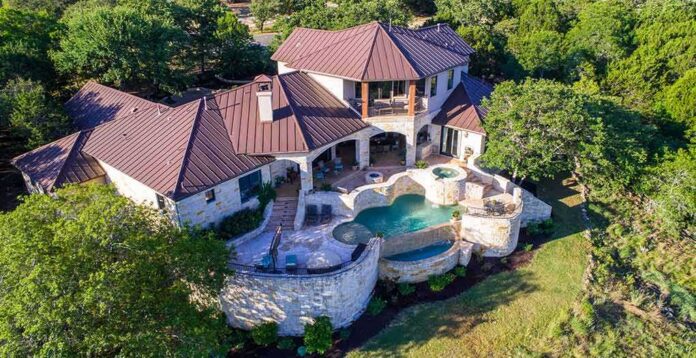
A rush of record-price mansions and supercars is transforming parts of Greater Nashville into a luxury playground anchored by documented eight-figure deals.
Story Highlights
- Sales of Nashville-area homes in the nation’s top 1% by price reportedly rose 208% since 2017.
- Listings and sales include properties marketed or sold near $35 million, plus a $33.5 million penthouse push.
- A specialized car facility stores luxury vehicles for more than 120 customers, signaling rising wealth.
- City and federal reports show rapid population growth and a major housing shortfall, straining affordability.
Luxury Deals Signal a New High-End Era
Bloomberg reported that sales of Nashville-area homes in the top 1% by price have jumped 208% since 2017, showing how the ultra-price tier expanded through 2025. The report cited a $35 million sale of a 727-acre property, a $34.8 million Franklin estate listing, and a $33.5 million Four Seasons penthouse that marketers pitched to global buyers. Those numbers define the new ceiling. They also show how Nashville now competes with coastal hubs for marquee deals and high-profile clients.
Bloomberg also described a specialized car-storage business that holds vehicles for more than 120 customers, including Lamborghinis and rare models, pointing to new luxury demand beyond housing. The New York Post, citing Realtor.com, reported that more than 18% of local listings topped $1 million in April 2025, up from nearly 8% six years earlier. That shift suggests the luxury trend reaches well beyond a few trophy estates. A Compass market report said Greater Nashville saw a 600% surge in ultra-luxury transactions in 2024.
Broader Market Pressures and Who Gets Squeezed
United States Department of Housing and Urban Development data show the metro population reached about 2.11 million, gaining an average of 26,800 people per year since 2020. Nashville’s Unified Housing Strategy says supply has not kept pace with growth, which drives up prices across the market. A summary of city findings says Nashville needs roughly 90,000 more homes over the next decade to close the gap. When demand rises faster than supply, the median buyer, not just luxury buyers, feels the pinch.
Local coverage reported that only a small share of neighborhoods are affordable for a household earning $100,000 a year, with even tougher odds for many Black and Hispanic families. A study highlighted by the National Community Reinvestment Coalition said gentrification pressures are strong, as buying costs have soared since 2018. A PNC Bank regional outlook projected that migration will sustain demand, while low affordability could limit near-term price gains, a sign of stress for typical buyers. These findings match the pattern seen in many Sun Belt cities facing rapid growth.
Neighborhoods, Amenities, and Visible Change
The listings and sales described by Bloomberg and others span high-end areas such as Green Hills, Franklin, Forest Hills, and nearby enclaves. Agents and videos promote large new homes with high-end finishes and amenities, underscoring an active luxury pipeline. The exotic-car facility noted by Bloomberg reflects the same trend in lifestyle spending, which often follows new wealth into a region. These signals do not just change streetscapes. They also shape service jobs, traffic, and local expectations about what “normal” prices look like.
City planning discussions point to zoning reforms and other steps to expand supply, with a focus on affordability and workforce housing. Officials and analysts warn that without faster building and smarter rules, rising demand will keep lifting prices and rents across the board. The Post’s data on the share of million-dollar listings shows how far up the price ladder the market has moved in a short time. That shift can make even move-up homes feel out of reach for long-time residents.
Why This Matters Across the Political Spectrum
People on the right and left see a common problem: a system that seems to work best for the well-connected while regular families struggle. Low taxes, business growth, and brand appeal helped Nashville draw wealth and jobs, which brings wins and headaches. The city gains investment, venues, and visibility. At the same time, working families face longer commutes and tighter budgets. Public reports say the fix is not culture war rhetoric, but building more homes where people want to live.
What to Watch Next
Watch whether developers, local leaders, and state officials speed approvals and infrastructure to meet demand. Track how many new homes are actually delivered, at what price points, and in which neighborhoods. Follow whether ultra-luxury activity stays concentrated or spreads into more areas. Keep an eye on data from the United States Department of Housing and Urban Development, city housing strategies, and credible market trackers for signals that supply is catching up. If supply rises, price pressure can ease for everyone, not just the top earners.
Sources:
zerohedge.com, ijr.com, elevatedmagazines.com, unitedstatesrealestateinvestor.com, reddit.com, granthammond.com, finance.yahoo.com, nashville.gov, huduser.gov