Jared Kushner said Israel’s looming election is making leaders “a little irrational” on Gaza, and the talks show the cost of politics on war and peace.
Story Snapshot
- Kushner linked stalled Gaza progress to upcoming Israeli elections.
- Netanyahu’s stance ties any Israeli pullback to full Hamas disarmament.
- Talks ended without a breakthrough as both sides held firm.
- Election timing often narrows room for compromise, analysts say.
What Kushner Said And Why It Matters
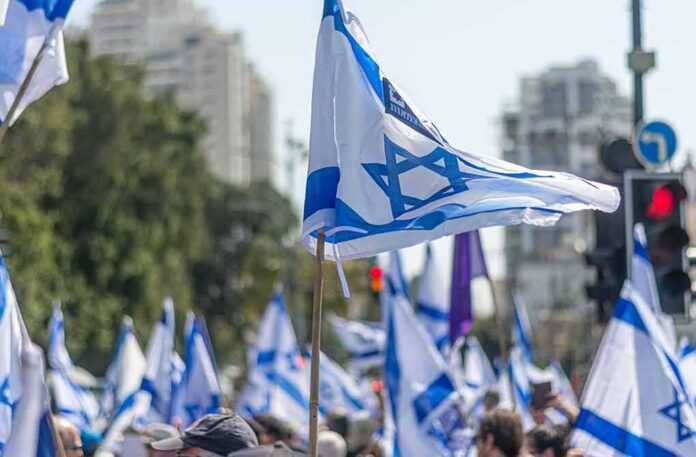
CBS News reported that U.S. envoy Jared Kushner tied slow Gaza progress to Israel’s election calendar, saying the race makes leaders act “a little irrational” on Gaza policy. He made the comment as he tried to revive a U.S.-backed plan that links calm in Gaza to disarming Hamas and a staged transfer of control. His remark points to a bigger fear at home. Voters worry that politics, not results, drive choices that shape war, aid, and security in a volatile region.
His charge lands because it is specific and public. It speaks to a pattern many see across issues: when elections near, leaders hedge. The claim also fits a known feature of Israeli politics. Coalition math and base pressure can shrink space for deals near a vote. The Council on Foreign Relations has said that for Gaza and the West Bank, security concerns dominate, and elections rarely shift the core posture fast.
Israel’s Position: Disarmament Before Any Pullback
Prime Minister Benjamin Netanyahu has laid out a clear line. He says Israel did not agree to the U.S. plan as drafted and will not withdraw from current lines in Gaza until Hamas is fully disarmed. In a television interview, he added that Hamas must give up its arms and that Israel must block weapons making and smuggling in Gaza. He framed that as the core of demilitarization, and a nonnegotiable condition for any change on the ground.
This position reflects a hard-security first logic. It says order comes before relief and rebuilding. It also answers Israelis who fear a rush to exit would invite renewed attacks. But it carries costs. Staying put keeps pressure high on civilians in Gaza and strains Israel’s military and diplomacy. It also deepens the gap with U.S. mediators when Washington seeks a sequence that pairs steps by both sides over time.
Talks Hit A Wall As Both Sides Hold Firm
After rare contacts with Hamas in Egypt and meetings in Jerusalem, Kushner left without a breakthrough. Reuters reported that both Israel and Hamas stood firm on key demands, stalling the U.S. plan to end the war. That outcome supports a basic truth. Elections can narrow options, but substance matters too. Sequencing disarmament, withdrawal, and a new governing setup in Gaza remains the crux, and neither side wants to move first under fire.
The deadlock also feeds public doubt about elites on both sides of the aisle. Many Americans see a familiar loop: leaders trade statements while families wait for security, lower costs, and honest timelines. When talks drag, people assume insiders protect power, not the public. That is the shared concern Kushner’s comment touches, even if he aimed it abroad. Process risks replacing progress, and citizens pay the price.
How Election Timing Shapes The Negotiating Room
Election calendars push leaders toward their base and away from compromise. Analysts note this is common in Israeli-Palestinian talks. The Council on Foreign Relations has written that changes in coalitions rarely alter the Gaza status quo, which remains a security file first. That reality explains why Kushner’s claim resonates while not proving elections are the only cause. Security rules the field; elections tighten the lines.
U.S. envoy Jared Kushner attributes the lack of progress on Gaza to upcoming Israeli elections: "Makes them a little irrational." https://t.co/DsqTUTzMfg
— CBS News (@CBSNews) September 7, 2026
For readers at home, the lesson is clear. Timing is policy. When leaders face votes, they delay risky steps, even if delay raises long-term costs. That is true in Jerusalem and in Washington. It is why citizens across left and right fear that political survival comes before problem-solving. Demanding clear benchmarks, dates, and public reporting on each side’s steps can help turn broad plans into real movement after the votes are counted.
Sources:
cbsnews.com, npr.org, aljazeera.com, manassa.news