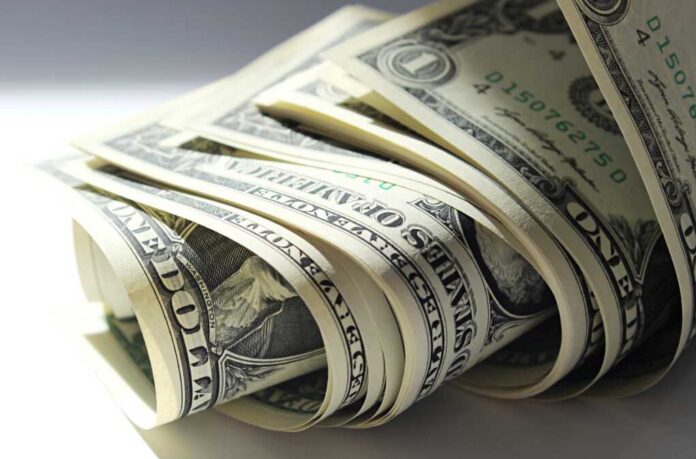
A viral chart depicting a sharp five-day plunge in the US Dollar Index has ignited fierce debate online about whether Trump-era policies are strategically weakening the dollar or triggering economic collapse, exposing the fragility of America’s financial standing under mounting debt and tariff-driven uncertainty.
Story Snapshot
- US Dollar Index dropped from 99.10 to 97.14 between January 20-25, 2026, sparking viral panic on social media
- Dollar has fallen over 10% in Trump’s first six months back in office, the steepest yearly decline since 2017
- Experts blame high tariffs, soaring government debt, and policy unpredictability for eroding global confidence
- Americans face reduced buying power and higher import costs while economists warn of long-term instability risks
Viral Chart Ignites Dollar Decline Debate
Market data provider Barchart posted a chart on X on January 25, 2026, showing the US Dollar Index plummeting from 99.10 on January 20 to 97.14 within five days. The post, captioned “Timberrrrrrrrrrrrrr,” quickly went viral as users debated whether this signaled strategic currency devaluation or catastrophic economic mismanagement. Florida Governor Ron DeSantis amplified the alarm by reposting with “Ouch,” while critics blamed Trump administration policies for destabilizing the dollar’s global standing and eroding American purchasing power at home.
Trump Policies Drive Steepest Dollar Drop Since 2017
The dollar has tumbled over 10% during Trump’s first six months back in the White House, marking a 9% yearly decline in 2025—the worst performance since 2017. This downtrend stems from aggressive tariff threats targeting Europe and other trading partners, ballooning federal debt from unchecked spending, and fears of renewed inflation. The Federal Reserve’s anticipated two rate cuts in 2026 contrast sharply with rate hikes by foreign central banks, further pressuring the dollar as investors rotate capital into more stable currencies and assets abroad.
Economic Instability Threatens American Families
University of Tennessee financial literacy instructor Alex Beene called the decline an “incredibly worrying trend,” warning that Americans now wield less buying power for imports and foreign travel while facing steeper prices at home. Syracuse University economics professor Ryan Monarch identified low policy confidence, punitive tariffs, and surging debt as core drivers of depreciation. Drew Powers of Powers Financial Group noted the downswing reflects political instability overriding sound investment fundamentals, a pattern that undermines economic resilience and punishes working families already stretched thin by inflation from prior fiscal mismanagement.
The US Dollar Index measures the greenback’s value against six major currencies: the euro, Japanese yen, British pound, Canadian dollar, Swedish krona, and Swiss franc. Established in 1973 after the collapse of the Bretton Woods gold standard, it serves as a benchmark for dollar strength in global markets. The recent drop represents the largest three-day decline since April 2025, when similar tariff-driven volatility rattled markets. While some users on X dismissed the dip as routine fluctuation amid global inflation affecting all currencies, experts counter that sustained weakness risks eroding international trust in the dollar as the world’s reserve currency.
Policy Uncertainty Fuels Global Investor Flight
Geopolitical tensions and the impending May 2026 departure of Fed Chair Jerome Powell have compounded market jitters, driving investors toward safer havens like gold and silver. Trump has publicly touted a weaker dollar as advantageous for boosting US exports by making American goods cheaper abroad, yet this strategy gambles with long-term stability. Chief Market Strategist Gareth Soloway predicts an additional 10% downside in 2026, potentially breaking an 18-year trend and signaling deeper structural problems. Bank for International Settlements data confirms a 5.3% trade-weighted dollar decline over the past year, validating concerns about policy-driven devaluation spiraling beyond controlled limits.
While optimists argue strategic devaluation could revive manufacturing competitiveness, skeptics warn the approach risks runaway inflation and recession if global markets lose faith in Washington’s fiscal discipline. Social media amplified partisan blame, with some users claiming policies deliberately undermine the dollar while others defended the move as necessary rebalancing. The real danger lies in unchecked government spending and tariff-driven trade wars that destabilize markets, threatening the constitutional principle of sound money and the economic security every American family deserves. Limited data remains available on the dollar’s trajectory post-January 25, but early 2026 trends suggest continued pressure absent policy course corrections.
Sources:
Viral chart showing US dollar’s crashing value creates stir online; Economy at risk?
Is US dollar crashing? New chart goes viral, raising concerns: ‘Incredibly worrying trend’
US dollar under pressure in early 2026 amid policy and market uncertainty