A U.S.-controlled sanctions switch just handed a foreign oil giant a fast track back into Venezuela’s vast reserves—raising fresh questions about who really controls energy, prices, and accountability.
Quick Take
- Repsol says it will regain operational control of the Petroquiriquire joint venture’s eastern Venezuela oil fields under a new agreement announced April 16, 2026.
- The company targets a 50% production increase within 12 months from roughly 45,000 barrels per day, with a longer-term goal to triple output within three years if conditions are met.
- The shift follows U.S. issuance of general licenses in February 2026 that eased energy-sector sanctions for Repsol and other firms after Nicolás Maduro’s removal and transfer to the U.S. for trial.
- Analysts and outlets caution that Venezuela’s production recovery will take time despite new deals and reopened channels for foreign operators.
Repsol’s deal reopens a major oil corridor in eastern Venezuela
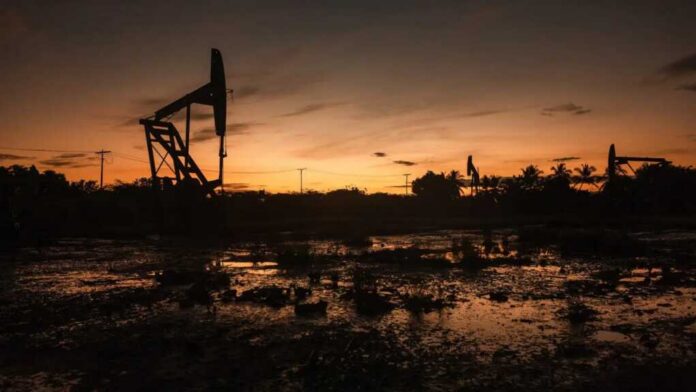
Repsol announced on April 16, 2026 that it reached an agreement with Venezuela to regain operational control of its Petroquiriquire joint venture oil fields in the country’s east. PDVSA, Venezuela’s state oil company, holds a 60% stake in the venture, while Repsol has maintained a long presence in the country dating back to 1993. Repsol framed the move as a restart built on existing assets, personnel, and technical capacity.
Repsol’s near-term target is a 50% increase in gross output within 12 months from about 45,000 barrels per day. Over a longer horizon, the company has signaled ambition to potentially triple production within three years, but it has also acknowledged that plan depends on “necessary conditions” being met. Reporting around the agreement also emphasized a payment structure described as “guaranteed,” reflecting the historic risk that Caracas fails to pay partners on time.
Sanctions, licenses, and the new reality: Washington holds the lever
The operational reset is tied to U.S. policy as much as Venezuelan geology. After the U.S. revoked certain licenses in 2025—restricting activity for Repsol and others—Washington issued general licenses in February 2026 to Repsol and five additional oil majors, enabling renewed operations. Those permissions matter because they effectively define what foreign companies can do, how they can be paid, and what equipment and trade flows can legally support production.
The broader political context is extraordinary. Multiple reports describe a January 2026 U.S. operation in Caracas that captured President Nicolás Maduro and transferred him to the United States for a drug trafficking trial. In that post-Maduro environment, coverage has characterized Washington as effectively overseeing Venezuela’s oil sector through sanctions relief and licensing decisions. For Americans frustrated with unaccountable government, that arrangement highlights how executive-branch tools can reshape foreign economies with limited public visibility.
Production goals meet hard constraints inside Venezuela’s oil system
Venezuela holds the world’s largest proven oil reserves, but reserves are not the same as deliverable barrels. Even optimistic reporting notes the turnaround will take time, and Repsol’s three-year ambition is explicitly conditional. Venezuela’s national output has reportedly risen to around 1.1 million barrels per day in April 2026, up from 942,000 in February, according to PDVSA figures cited in coverage. That trajectory suggests momentum, but it also underscores the scale of rebuilding required.
Oil majors return, but investors are demanding tighter terms
Repsol is not alone in moving back toward growth in Venezuela under U.S. licenses. Chevron has been reported to restructure its position through an asset swap with PDVSA to raise its stake in Petroindependencia to 49%, and Shell has been reported to be negotiating gas development. The common thread is risk management: tighter legal permissions, clearer operating authority, and more reliable payment mechanics than existed during years of politically driven breakdowns.
What this means for U.S. energy politics and public trust
For U.S. consumers, more barrels entering world markets can, at the margin, relieve price pressure—though this story does not provide a firm estimate of price impact. Politically, the development lands in a familiar pressure point: energy security versus foreign entanglement. Conservatives tend to ask why U.S. policy doesn’t prioritize domestic production first, while many liberals object to fossil-fuel expansion at all. What both camps increasingly share is skepticism that elite decision-making is transparent when sanctions are eased, licenses are granted, and foreign oil strategies shift quickly.
Repsol’s announcement is concrete on one point—operational control and a defined ramp plan—yet vague on the “necessary conditions” required for tripling output. That limitation matters for anyone trying to separate headlines from deliverables. The deal shows how, in 2026, energy outcomes in Venezuela are not simply a matter of geology or corporate skill; they hinge on government permissions, enforceable contracts, and whether the post-crisis state can consistently honor terms that investors believe will actually be upheld.
Sources:
Repsol taking back control of Venezuelan oil assets
Repsol taking back control of Venezuelan oil assets
Spain’s Repsol reportedly wins back control of Venezuelan oil operations
Repsol taking back control of Venezuelan oil assets
Repsol Returns to Venezuela With Ambitious Production Growth Plan
Repsol resumes control of Venezuela oil field, pledges higher output