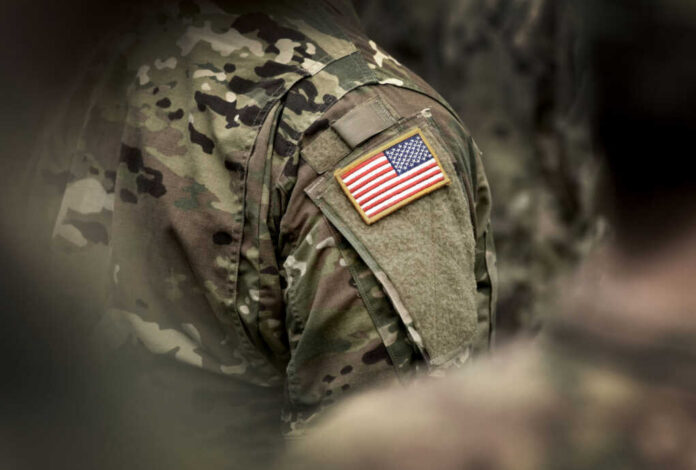
More than 100 U.S. military veterans were arrested after occupying a House office building—an explosive reminder that America’s foreign-policy fights are now spilling straight into the Capitol’s hallways.
Quick Take
- Veterans occupied the Cannon House Office Building on April 20, 2026, protesting the U.S. war in Iran and U.S.-backed policy tied to Gaza and the region.
- Capitol Police responded with arrests, ending the occupation; public reporting has not clarified the final arrest count or any charges filed.
- Organizers included multiple anti-war veterans’ and military-family groups, framing the action as moral opposition to intervention overseas.
- Online coverage split sharply, with supporters calling it principled dissent and critics warning it resembled an “insurrectiony” disruption of government operations.
What happened inside the Cannon Building—and what is confirmed so far
Reports indicate that over 100 veterans entered and occupied the Cannon House Office Building in Washington, D.C., on Monday, April 20, 2026. The demonstrators protested the U.S. war in Iran and linked their message to Israel’s actions in Gaza, plus allegations involving Lebanon and a possible future invasion scenario related to Cuba. Capitol Police moved in and arrests followed, dispersing the crowd. Public details remain limited on exact arrest totals and any resulting charges.
The incident drew attention partly because it took place in a building used daily by lawmakers and staff rather than a public park or street. Coverage also suggests the building was accessed during normal visitor hours, which raised questions online about how such a large group gathered and remained in place long enough to force a police response. No sourced reporting in the provided materials confirms insider assistance, and official statements were not included in the research provided.
The protest coalition and why veterans carry unusual political weight
Organizers named in reporting included About Face, Veterans for Peace, Common Defense, 50501 Vets Contingent, Military Families Speak Out, and the Center on Conscience and War. The groups emphasized opposition to U.S. military interventions and portrayed the occupation as an urgent effort to halt war-making and what they describe as atrocities abroad. Veterans bring a unique kind of credibility to these disputes: they can argue from personal experience about the costs of war, even as Americans disagree about policy.
One participant highlighted in coverage was Greg Stoker, identified as a Texas congressional candidate. That detail matters because it underscores how protest politics and electoral politics increasingly overlap. When demonstrators include current or aspiring officeholders, events like this become more than a one-day confrontation with police; they become a narrative weapon used to mobilize voters. In today’s environment, images of veterans being arrested can generate sympathy, but it can also harden opposition among citizens who prioritize order and institutional stability.
Echoes of earlier Capitol disruptions and the “two standards” argument
The occupation fits a pattern of escalating, high-visibility disruptions tied to Gaza and U.S. support for allies overseas. In 2025, veterans interrupted a Senate hearing and were removed, including retired Lt. Col. Anthony Aguilar and Capt. Josephine Guilbeau. Those earlier incidents show how activists are increasingly choosing “must-stop-the-meeting” tactics rather than conventional rallies. Supporters argue disruption is justified when Congress funds wars; opponents argue that shutting down proceedings punishes the public and weakens self-government.
Conservative readers will recognize a familiar conflict here: Americans can support the constitutional right to protest while still rejecting tactics that impede the work of elected institutions. That tension is sharper because the protest involves veterans—people broadly respected across party lines—yet the occupation took place inside a sensitive government complex where security and continuity of operations matter. Without clear, publicly available details on planning, entry, and law enforcement directives, broader conclusions about intent or coordination cannot be verified from the provided sources.
Why this story lands in a broader “government failure” moment
Beyond the immediate arrests, the deeper story is the widening belief—on the right and the left—that Washington is unresponsive to ordinary citizens until conflict becomes unavoidable. For conservatives, that often shows up as frustration over endless foreign commitments, opaque security decisions, and the sense that elites face fewer consequences than everyone else. For liberals, it often shows up as outrage that U.S. power is used in ways they consider immoral. Either way, anger keeps rising while trust in institutions keeps falling.
Veterans Occupy US Capitol to Protest War in Iran, Genocide in Gaza/// Prolly not ALL veterans, but OLD demcrack in army uniforms.. maybe? @POTUS @VP @seanhannity @SenTedCruz @SenJohnKennedy @Jim_Jordan @GovRonDeSantis @GregAbbott_TX @SenTomCotton https://t.co/DWXY0iWhf4
— mummykins 🇺🇸 (@mummykins11) April 21, 2026
The missing piece is the official record: public reporting in the supplied research did not include a detailed Capitol Police statement, an arrest breakdown, a list of charges, or a clear account of the reported injury. Until those facts are public, the event will be interpreted mainly through partisan filters and viral clips. Americans should demand transparent answers about what happened operationally—without excusing disorder inside Congress or ignoring citizens, including veterans, who believe Washington is steering the country into costly conflicts.
Sources:
Veterans Occupy US Capitol to Protest War in Iran, Genocide in Gaza
Democratic Underground discussion thread on veterans occupying US Capitol
Army Veterans Disrupt Senate Hearing to Accuse Members of Complicity in Gaza Genocide