
Congressional gridlock has forced thousands of essential aviation workers to labor without paychecks, creating a mounting crisis that threatens the safety and reliability of American air travel while costing the economy over a billion dollars.
Story Snapshot
- TSA agents and air traffic controllers working without pay as government shutdown enters second week, causing staffing shortages and operational disruptions
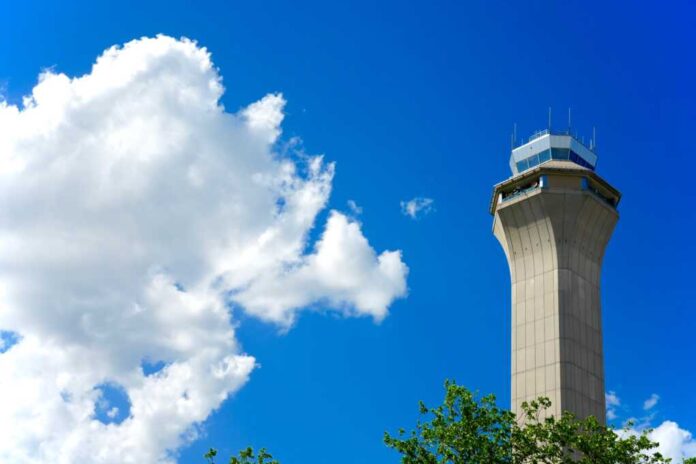
- Burbank Airport control tower temporarily closed due to staff shortages, triggering delays exceeding two hours and signaling broader vulnerabilities
- Travel industry estimates $1 billion in economic losses as passengers increasingly avoid airports amid uncertainty and growing delays
- Hiring and training for new air traffic controllers completely paused, threatening long-term aviation safety and capacity
Congressional Failure Strains Aviation Infrastructure
The federal government shutdown that commenced October 1 after Congress failed to pass appropriations legislation has exposed critical vulnerabilities in America’s aviation system. Essential personnel including TSA agents and air traffic controllers continue reporting to work despite receiving no compensation, with their first missed paychecks arriving October 24 and 28 respectively. This congressional dysfunction directly undermines the dedicated federal workers who ensure millions of Americans can travel safely each day. The situation demonstrates how political gridlock in Washington translates into real-world consequences for hardworking Americans simply trying to do their jobs and travelers attempting to conduct business or visit family.
Democrats have TSA agents "feeling like pawns right now" due to their government shutdown — working without pay as the holiday season approaches.
They can end this shutdown today if they want. pic.twitter.com/zjK0amuPn4
— Rapid Response 47 (@RapidResponse47) October 8, 2025
Safety Concerns Mount as Staffing Crisis Deepens
The Air Line Pilots Association president issued stark warnings about deteriorating aviation safety as the shutdown persists, emphasizing that reliable funding is essential for maintaining operational standards. Burbank Airport’s control tower closure due to staffing shortages resulted in delays exceeding two hours, illustrating how even regional facilities face breaking points. While no organized protests have emerged among essential staff, sick calls have increased as workers struggle with financial pressure from unpaid labor. The Federal Aviation Administration has suspended all hiring and training programs for new air traffic controllers, a decision that will compound existing staffing shortages and potentially compromise safety for years to come. These developments raise serious questions about whether the current system adequately protects both aviation workers and the traveling public.
Economic Damage Spreads Across Travel Sector
The US Travel Association calculates that the shutdown has already inflicted approximately $1 billion in lost travel spending, with damages mounting daily as passengers cancel trips or seek alternative arrangements. Major airports in New York City, Chicago, and Philadelphia report increasing disruptions alongside regional facilities, creating nationwide uncertainty that discourages both leisure and business travel. Airlines face reduced revenues while tourism-dependent businesses suffer from decreased customer activity. The Airports Council International – North America warned that prolonged shutdown conditions could generate significant economic strain on airport operations and broader regional economies. This fiscal damage represents money that will never be recovered, harming American businesses and workers who depend on a functioning travel industry.
Long-Term Implications for Aviation System
Beyond immediate operational challenges, the shutdown threatens America’s long-term aviation capacity and international reputation. The pause in air traffic controller recruitment and training will take years to remediate, as these positions require extensive preparation before personnel can safely manage aircraft. Previous shutdowns in 2013 and 2018-2019 demonstrated similar patterns of disruption, yet Congress appears no closer to establishing reliable appropriations processes that prevent these recurring crises. Industry experts emphasize that aviation safety standards could erode if federal agencies cannot maintain consistent staffing and training programs. The National Air Traffic Controllers Association continues advocating for uninterrupted funding, recognizing that their members’ ability to protect public safety depends on stable governmental support rather than partisan political maneuvering.
The current situation exemplifies government dysfunction at its worst, with hardworking federal employees bearing the burden of congressional failure while American families and businesses suffer collateral damage. Until political leaders in Washington prioritize their constitutional duty to fund essential government operations over partisan positioning, the aviation sector will remain vulnerable to these preventable disruptions. The traveling public deserves better than uncertainty and delays caused by elected officials who cannot perform their most basic responsibilities.
Sources:
Planning a US trip? What you need to know as the government shutdown enters week two
Government Shutdown Clock – The White House