

Mass deportations and sweeping executive orders are reshaping American immigration policy, intensifying the debate over constitutional rights and national security in 2025.
Story Snapshot
- President Trump’s second term features aggressive mass deportations and a crackdown on illegal immigration.
- Executive actions eliminate “sensitive locations” protections, allowing ICE raids in schools, churches, and hospitals.
- Legal challenges mount as new directives test the limits of executive power and due process.
- Conservative supporters see a restoration of law and order and the upholding of national sovereignty.
Trump’s Second Term: Mass Deportations and Border Crackdown
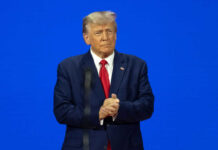
President Donald Trump’s return to the White House in 2025 brought immediate and forceful action on immigration. Within hours of his inauguration, Trump signed executive orders declaring a national emergency at the southern border, blocking asylum seekers, and ending the “catch and release” policy. These measures, along with the signing of the Laken Riley Act, which mandates detention of immigrants charged with or convicted of crimes, signaled the administration’s commitment to fulfilling campaign promises on border security and immigration enforcement.
By March, Trump’s administration had eliminated previous restrictions on Immigration and Customs Enforcement (ICE), allowing agents to conduct raids in locations that had long been considered off-limits, such as schools, churches, and hospitals. ICE operations extended across major cities with large immigrant populations, and the Department of Homeland Security reported a sharp decline in illegal border crossings, reaching the lowest levels in decades. These aggressive tactics resulted in widespread deportations, with the administration claiming over 200,000 removals by June. The rapid escalation of enforcement has fueled both praise from advocates of strict border control and concern from civil liberties groups over due process and family separations.
Executive Power and Constitutional Boundaries
The Trump administration’s assertive approach has prompted legal scrutiny and debate over the scope of executive power. Attorney General Pam Bondi issued new directives allowing law enforcement to enter migrant homes without warrants, raising alarm about potential violations of Fourth Amendment protections against unreasonable searches. Additionally, the administration has sought to penalize attorneys challenging deportations, characterizing their efforts as “frivolous” and “vexatious.” These actions have led to a surge in legal challenges from advocacy groups and states, who argue that constitutional rights and due process are being eroded in the pursuit of stricter immigration enforcement.
Efforts to expand the role of state and local law enforcement in federal immigration duties have further intensified the national debate. Policies now pressure states to cooperate fully with federal authorities and open up databases such as motor vehicle and voter registration records to immigration officials. Critics contend that these moves threaten civil liberties and federalism, while supporters argue that they are necessary to restore law and order and protect American communities from criminal activity by illegal immigrants.
Impact on Communities and Conservative Response
The consequences of these policies are being felt in communities across the nation. Mass deportations have led to family separations and heightened anxiety among immigrants, while some American citizens express relief at what they perceive as a long-overdue return to the rule of law. The administration’s crackdown has been met with strong approval from many conservatives, who see these actions as a repudiation of the previous administration’s “open borders” policies. They argue that the new approach restores national sovereignty, strengthens the economy by protecting jobs for American workers, and upholds the Constitution by enforcing federal laws.
"The pace of deportations will increase," says @VP.
"In 2025, we will have the first net negative immigration number in about 50 or 60 years … so there has been a major, major shift in immigration policy." pic.twitter.com/6Xf1c6zw0K
— Rapid Response 47 (@RapidResponse47) July 24, 2025
Yet, the legal and ethical questions surrounding the tactics used—such as warrantless home entries and the targeting of sensitive locations—continue to fuel debate. As legal battles play out in the courts, the outcome will shape the nation’s approach to immigration, executive authority, and individual rights for years to come. Conservatives remain vigilant, urging the administration to stay the course and resist any efforts to undermine the renewed commitment to border security and constitutional principles.
Sources:
Immigration policy of the second Trump administration – Wikipedia
The Trump Administration’s 2025 Changes to Immigration Law …
Project 2025: What’s At Stake for Immigrants’ Rights