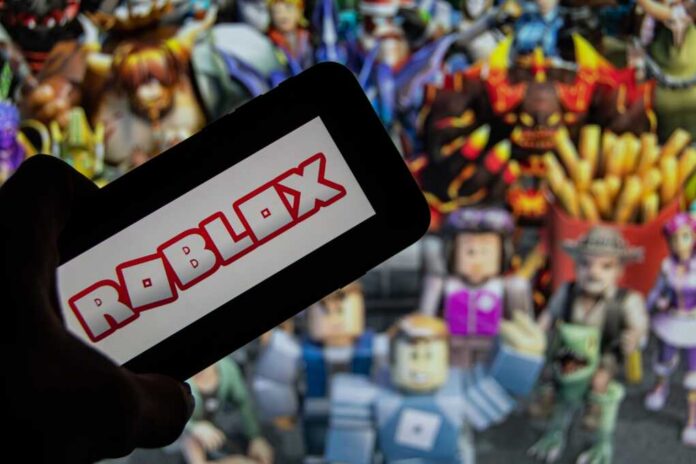
Roblox’s crackdown on independent predator hunters has ignited outrage, as the platform’s legal threats against those exposing child predators raise fresh concerns about corporate priorities and the erosion of common-sense parental protections online.
Story Highlights
- Roblox permanently banned a prominent YouTuber for exposing predators, sparking legal and political backlash.
- Lawsuits and public scrutiny have intensified over Roblox’s repeated failures to protect children from online abuse.
- Critics argue Roblox is prioritizing its image and legal safety over genuine child protection, undermining trust among families.
- The case has prompted calls for regulatory reform to hold online platforms accountable for child safety failures.
Roblox Bans Predator Hunter, Escalating Public Outrage
In August 2025, Roblox Corporation permanently banned “Schlep,” a YouTuber recognized for conducting sting operations to identify and help arrest alleged sexual predators using the platform. After issuing a cease and desist letter and threatening legal action if Schlep continued his activities, Roblox ignited a firestorm among parents, advocacy groups, and politicians. Critics accuse the company of targeting those who help protect children while failing to address the root issue: rampant predator activity and weak moderation that puts minors at risk.
The backlash against Roblox has been swift and severe. Just days after the ban, a new lawsuit was filed in Georgia, accusing the platform of enabling child predators. Louisiana’s Attorney General joined the fray, suing Roblox for alleged negligence in protecting minors. The controversy intensified after a high-profile child abduction case was linked to the platform, underscoring the real-world dangers that unchecked online abuse can cause. These incidents have brought Roblox’s safety failures into sharp focus for the public and policymakers alike.
Background: Persistent Safety Failures and Legal Battles
Roblox is one of the world’s most popular online gaming platforms, boasting over 82 million daily users—most of them children. Yet, the company has faced years of criticism for its inability to keep predators at bay. Past incidents include the closure of its official chat forum in 2017 after failing to meet safety standards, and multiple lawsuits and reports throughout the 2020s documenting grooming and even real-world abductions initiated through Roblox. Despite the company’s public statements about investments in safety technology and moderation, high-profile failures and mounting lawsuits have only deepened skepticism about Roblox’s true priorities.
The tension between grassroots child protection efforts and corporate policy has become a flashpoint. Schlep’s ban is not an isolated event, but part of a broader trend where companies prioritize legal risk management over transparency and genuine safety. Families affected by abuse, as well as lawmakers like Congressman Ro Khanna, argue that Roblox’s tactics serve to silence critics and shield the company from liability, rather than address systemic dangers threatening children on the platform.
Legal and Political Fallout: Calls for Reform
Roblox’s response—framing vigilante actions as violations of terms of service and legal liabilities—has only fueled calls for oversight. Political leaders, including Congressman Khanna and Louisiana AG Liz Murrill, insist that the company is putting profits and reputation ahead of children’s welfare. Lawsuits and petitions continue to mount, demanding stricter safety standards, transparency in moderation practices, and real accountability for negligence. For many parents and conservative advocates, this controversy is a stark example of tech overreach and corporate indifference, echoing frustrations with broader trends like government overreach and erosion of family values.
Legal experts warn that platforms like Roblox could face increasing liability for their role in enabling abuse if they fail to act decisively. Child safety advocates argue that independent efforts to expose predators are only necessary because official moderation has proven insufficient. However, some cybersecurity professionals caution that vigilante activities can inadvertently complicate law enforcement investigations or drive dangerous actors off the platform and out of view. The debate underscores the complexity of balancing user privacy, platform responsibility, and effective child protection—but for many, the current system is failing America’s families.
Wider Implications for Families and Online Safety
In the short term, Roblox’s actions have led to heightened anxiety among parents, children, and users about online safety. The chilling effect on independent watchdogs raises concerns about who, if anyone, will fill the void left by banned advocates. Long-term, the controversy may spur new legislation or regulations to hold platforms more accountable for child safety—potentially setting industry-wide precedents. As lawsuits proceed and political momentum builds, the outcome will likely shape how digital platforms address their responsibilities to families, children, and the broader public. For millions of Americans, the message is clear: vigilance, transparency, and genuine accountability must replace empty promises and legal posturing.
Gaming Platform Roblox Under Fire on Child Safety https://t.co/nEEOkKvKCE | 🔽 Read More 🔽
— NEWSMAX Health (@NewsmaxHealth) August 22, 2025
As the debate continues, families seeking to protect their children online face tough questions about whom to trust. The Roblox controversy serves as a stark reminder that, even as technology evolves, the defense of basic family and constitutional values—especially the protection of the most vulnerable—remains an ongoing struggle in the digital age.
Sources:
Wikipedia: Roblox Schlep ban controversy
Business Insider: Roblox Accused of Enabling Child Predators in New Lawsuit
Dolman Law Group: Roblox Sexual Abuse Lawsuit
Altman & Altman LLP: Roblox Sexual Abuse Lawsuit