Trump’s call to FIFA turned a routine World Cup red card into a political firestorm, and Folarin Balogun is now eligible to face Belgium.
Story Snapshot
- FIFA suspended Balogun’s one-match ban under Article 27 of its disciplinary code.
- Trump confirmed he asked FIFA President Gianni Infantino for a review of the red card.
- Belgium’s soccer federation criticized the ruling and challenged it.
- The case has raised new questions about fairness, influence, and FIFA’s rules.
FIFA Uses a Rare Rule to Lift the Ban
FIFA said Balogun’s red card suspension would be held in abeyance for one year, which made him available for the next match against Belgium. The ruling did not erase the red card itself. It paused the punishment under Article 27 of the FIFA Disciplinary Code, a rule that lets FIFA suspend a disciplinary measure. That move mattered because earlier reporting said the United States had no normal appeal route for the card.
The timing drew immediate attention because the suspension changed the lineup for one of the tournament’s biggest knockout games. FIFA had already said the sending-off carried an automatic ban, and media reports noted that the red card came after a dangerous challenge in the win over Bosnia-Herzegovina. By using a discretionary rule instead of a standard appeal, FIFA placed a major sporting decision inside a narrow legal gap. That gap is what made the ruling so controversial.
Trump Says He Asked for the Review
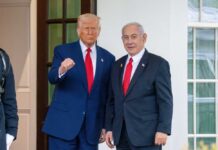
Trump publicly said he asked FIFA to review the decision, and CNN reported him saying, “I asked for a review by FIFA.” Other reporting said Trump called or spoke with Infantino after the Bosnia-Herzegovina match and before FIFA changed course. Trump then praised FIFA on Truth Social, saying the organization had done “what was right” and reversed “a great injustice.” That public message left little doubt that he wanted credit for the reversal.
The episode fits a wider pattern that critics of modern sports governance know well: powerful people often get heard faster than ordinary teams, fans, or officials. FIFA has long said it opposes political interference, yet it also has a record of monitoring or punishing member associations for government pressure. In this case, the concern is not just the red card. It is the appearance that a head of state could reach into a disciplinary process and get results.
Belgium Pushes Back on Fairness and Process
Belgium’s side reacted sharply, with reporting describing the decision as unfair and disruptive to tournament integrity. The criticism focused on process as much as outcome. FIFA’s own rules said teams could not simply appeal a red card, yet FIFA still used Article 27 to pause the ban. That clash between a no-appeal rule and a discretionary suspension is why the dispute now feels bigger than one player or one match.
And after Trump personally asked Infantino to review Balogun’s red card, FIFA looks even worse: a corrupt institution where influence matters more than fairness.
Football deserves equal rules, not celebrity protection and political pressure.
— Manuel Martins (@ManuelM88153447) July 6, 2026
What makes the story resonate beyond soccer is how familiar it feels to many readers. Supporters on the right can see a rare case of an official body moving fast for a high-profile political figure. Critics on the left can see elite institutions bending rules for power while ordinary people are told the system is fair. FIFA did not explain its full reasoning, and that silence has fueled suspicion from both camps. In a year already filled with fights over trust in institutions, that matters.
Sources:
insiderpaper.com, espn.com, cnbc.com, latimes.com, sports.yahoo.com, youtube.com, nbcsports.com, channelnewsasia.com, api.spoleg.com