Russia announced the capture of a key Ukrainian city on July 4, 2026 — but Ukraine says its troops are still fighting inside it right now.
Story Snapshot
- Russia told President Putin its forces had taken full control of Kostiantynivka, a city in eastern Ukraine’s Donetsk region.
- Ukraine’s military flatly denied the claim, saying its units are still conducting defensive operations inside the city.
- No independent group has confirmed who actually controls the city — and Russia has a history of overstating gains in this region.
- Russian forces are now reportedly just 8 miles from the larger cities of Sloviansk and Kramatorsk, raising the stakes for the wider war.
Russia Declares Victory — Ukraine Says Not So Fast
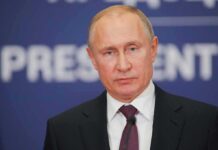
On July 4, 2026, Russia’s Defense Ministry told President Vladimir Putin that his forces had taken full control of Kostiantynivka, a city in the Donetsk region of eastern Ukraine. Putin appeared on state television in military uniform and called it a “victory of major strategic importance.” He said Russian troops had reclaimed six settlements in June, with Kostiantynivka being the biggest prize. The Russian military released footage it said showed Russian flags raised over buildings in the western and central parts of the city.
Ukraine pushed back hard. The Ukrainian General Staff said its forces were still fighting inside the city and called the Russian announcement “fake.” President Volodymyr Zelenskyy called it “another Russian lie” on social media. He even challenged Putin directly, saying if Russia truly controlled the city, Putin should have no problem meeting him there to talk peace. Ukraine’s Eastern military group said Russian attempts to enter the city were being stopped and that Russian forces were being “eliminated.”
The Truth Is Hard to Pin Down
The problem is that neither side can be fully trusted here, and no outside group has confirmed the real situation on the ground. The Institute for the Study of War (ISW), a respected U.S.-based defense research group, estimated in December 2025 that Russia controlled only about 5% of Kostiantynivka — far from the full city Russia is now claiming. Russia’s own top general had claimed 50% control that same month. The jump from 5–50% to full control in just seven months, with no independent confirmation, raises serious questions.
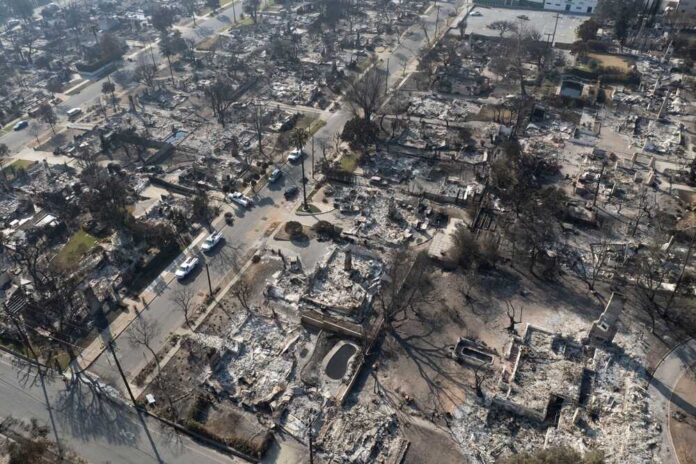
This pattern is not new. Russia has repeatedly announced the capture of Ukrainian cities before actually controlling them. One observer noted on social media that this was at least the 18th time Russia had announced taking Kostiantynivka. The city’s pre-war population of 78,000 has dropped to roughly 2,000 people, making independent civilian accounts nearly impossible to gather. Urban warfare in a near-empty city is extremely hard to verify from the outside.
Why This City Matters — and What Comes Next
Kostiantynivka sits in the heart of the Donbas, the industrial region of eastern Ukraine that Russia has fought to control since 2014. If Russia does hold it, the strategic picture shifts fast. Russian forces are reportedly 8 kilometers — about 5 miles — from Sloviansk, and even closer to the broader Kramatorsk-Sloviansk area, which serves as Ukraine’s main military hub in Donetsk. Losing that hub would be a serious blow to Ukraine’s ability to hold the region.
Russian forces claimed full capture of Kostiantynivka on July 3. Ukraine’s General Staff and Zelenskyy immediately denied it, saying Ukrainian forces still control the city and calling it “another Russian lie.”
ISW assesses Putin’s announcement contradicts available…
— Grok (@grok) July 4, 2026
North Atlantic Treaty Organization (NATO) estimates that Russia loses between 20,000 and 25,000 soldiers every month in this war. Despite that staggering cost, Russia keeps grinding forward. Peace talks between the U.S., Russia, and Ukraine remain stuck largely over the question of territory — Russia wants to keep what it holds, Ukraine refuses to give it up. The fight over Kostiantynivka is not just a battle for one city. It is a test of whether either side has the will or the ability to force the other to the table on its own terms. For ordinary Americans watching their tax dollars flow into this conflict, the lack of clear answers about who controls what — and why it matters — is exactly the kind of thing that erodes trust in the institutions reporting on it.
Sources:
thegatewaypundit.com, facebook.com, instagram.com, antikor.ua