Israel’s leader publicly pushed back on Washington’s “only ally” warning, exposing a sharp split over who actually stands with Israel right now.
Story Snapshot
- Benjamin Netanyahu said Israel has “many, many friends,” rejecting a claim that only the U.S. stands by Israel.
- Vice President JD Vance warned Israeli officials not to attack the Trump administration, calling it Israel’s “only powerful ally” left.
- Netanyahu has often praised the United States as Israel’s closest ally while also urging less reliance on U.S. weapons.
- The debate highlights a real tension: public talk of many allies versus heavy U.S. support for Israel’s defense.
Netanyahu’s Rebuttal To The “Only Ally” Claim
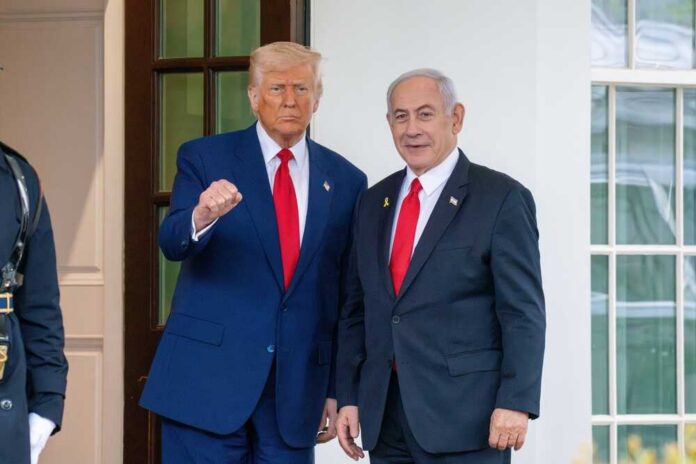
Prime Minister Benjamin Netanyahu rejected the idea that Israel has only one powerful ally. He said Israel has “many, many friends” after United States Vice President JD Vance warned Israel not to attack its “only powerful ally” in Washington. Netanyahu’s stance follows years of statements praising a unique bond with America. He has said no country is a better ally to Israel, and the United States has no greater ally than Israel, in joint remarks with Secretary of State Marco Rubio.
Vance’s warning came after friction over Iran policy and criticism from some Israeli ministers. He told Israeli officials to stop attacking the Trump administration and said the United States is Israel’s last powerful backer. His message has echoed across major outlets, keeping the “only ally” frame in headlines and on air. The Associated Press captured Vance’s line that Israel should not attack “the only powerful ally you have left,” sharpening the split with Netanyahu’s view.
A Close U.S.–Israel Bond, With A Push For Independence
Netanyahu has repeatedly called the U.S.–Israel alliance strong and close. He has thanked the United States for an “enduring alliance” and highlighted steady security ties. Public posts and videos from his office have stressed that the relationship has “never been closer,” particularly during periods of tension with Tehran. These messages aim to reassure both countries’ publics that military aid, intelligence sharing, and joint training remain robust and ongoing pillars of the partnership.
At the same time, Netanyahu has urged Israel to reduce dependence on U.S. arms. He argued Israel should “free ourselves” from that reliance, reflecting a desire for more self-sufficiency. That push does not erase the current depth of U.S. support, but it does signal concern about overreliance on one source. The tension is clear: praise for unmatched American support on one hand, and a call for greater independence on the other.
Heavy U.S. Support Versus Claims Of “Many Friends”
U.S. backing remains central to Israel’s defense posture. Open-source histories describe extensive military aid, intelligence sharing, and regular joint exercises. That depth is hard for any other partner to match. These facts support why some in Washington would argue that the United States stands alone at Israel’s side in real, material terms. Yet, Israeli leaders still highlight ties with other countries to show diplomatic breadth and reduce the risk of isolation over time.
Netanyahu’s “many friends” claim so far lacks a list of specific powerful states offering comparable military help. Support can take many forms, including trade, diplomacy, and quiet intelligence links. But the public record cited here does not name other backers that rival the United States today. This gap leaves room for critics to say the phrase is more message than measurable support. It also explains why Vance’s warning gets traction in news coverage.
Why This Fight Matters For Americans
This clash shows how leaders can talk past each other while taxpayers foot the bill. Vance centers hard numbers and leverage in Washington. Netanyahu balances U.S. help with a promise that Israel will not be dependent forever. Both frames speak to American worries about endless spending, foreign entanglements, and leaders who spin talking points instead of leveling with people about costs and tradeoffs. The risk is policy by slogan, not by clear goals tied to transparent measures.
🗣️ Benjamin Netanyahu pushed back against a remark by JD Vance suggesting that Donald Trump is Israel’s “only friend.”
Netanyahu said that while he deeply values Trump’s support, many countries are strengthening ties with Israel, adding that growing diplomatic and strategic… pic.twitter.com/bFkLp1SftY
— Leah_לאה (@Weisslbj333Leah) July 5, 2026
For readers left and right, the core question is simple. Who is paying, who decides, and what do we get for it? If the United States is the main pillar of Israel’s security, Washington should be honest about the price and the plan. If Israel has many powerful friends, Jerusalem should show the receipts. Clear facts beat slogans. That is how allies avoid drift, how costs stay in check, and how the public holds leaders to account.
Sources:
mediaite.com, state.gov, timesofisrael.com, instagram.com, youtube.com