Norway just turned a quiet Arctic pier into a courtroom for a $4.22 billion fight.
Story Snapshot
- Norway seized the Russian ship Professor Molchanov in Svalbard under a court order.
- Ukraine’s Naftogaz seeks to enforce a 2023 Hague arbitration award tied to Crimea.
- Russia blasted the move as “piracy” and vowed legal action against Norway’s ruling.
- The standoff spotlights how hard it is to turn big awards against states into cash.
What Norway Did, Where, and Why It Matters
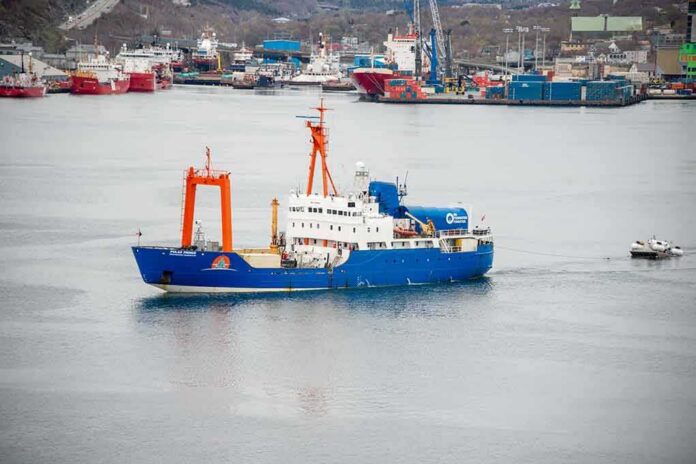
Norwegian officials seized the Russian vessel Professor Molchanov at Barentsburg in the Svalbard archipelago after a district court authorized the action on August 31. Authorities barred the ship from leaving while Ukraine’s state energy firm Naftogaz seeks to enforce a multibillion-dollar arbitration award against Russia for Crimea-era asset seizures in 2014. The case pushes a global legal battle into an icy port, where court orders and national flags now share the same dock.
Naftogaz holds a final award from an arbitration tribunal in The Hague. The tribunal ordered Russia to pay about $4.22 billion in damages, plus interest and costs, for taking Naftogaz assets after the annexation of Crimea. News outlets reported the 2023 decision and the size of the award, and Naftogaz has framed the Svalbard seizure as a routine enforcement step to collect on that debt. The seizure aligns with a creditor’s playbook: find attachable assets where courts will act.
How a Paper Award Becomes a Real-World Seizure
Courts often confirm arbitration awards, but collecting money from a sovereign state is another climb. Legal experts say you must locate state property used for commercial activity and fit within narrow immunity exceptions. Even then, each country’s rules differ, and many state assets are shielded from execution. That is why creditors chase ships, bank accounts, and commercial revenues across borders to turn an award into cash, step by careful step.
Norway’s move fits that pattern. Naftogaz asked a Norwegian court to secure a specific, reachable asset tied to Russia. The Professor Molchanov operates as a research and expedition cruise vessel, which may support a commercial-use argument. The court issued its order, and local authorities enforced it in Svalbard. That is a standard route: use local law to hold property while larger legal questions—immunity, ownership, use—get argued in court.
Russia’s Pushback, The Svalbard Treaty, and What Comes Next
Russia did not hold back. The Foreign Ministry called the seizure “an act of piracy.” The Russian embassy in Oslo labeled it a political violation of international law. Moscow said it lodged a strong protest with Norway and would appeal through legal channels. Some Russian statements also invoked the 1920 Svalbard Treaty, arguing Norway’s move restricts Russia’s presence in the archipelago. Those are sharp claims, but they face a signed court order on Norwegian soil.
On the facts, the Norwegian action rests on a domestic court ruling and an international award that many outlets reported in detail. On the law, the real contest is narrower: is the targeted asset used for commercial purposes, and do immunity rules bar execution here? That is a technical fight, not a talking-point duel. Assertions of “piracy” read more like politics than law when stacked against a court’s written order and a tribunal’s final award.
Why This Arctic Arrest Signals a Bigger Shift
This case shows a lesson that should please common-sense readers who value the rule of law: paperwork matters, and courts are where debts get settled. Big claims against states move only when creditors bring hard orders to places that honor them. That means more seizures may follow in other ports, more appeals in national courts, and more stress on the line between state immunity and commercial activity as Naftogaz hunts for payment.
Norway has seized the Russian vessel Professor Molchanov at the request of Naftogaz.
The seizure was ordered to enforce the Hague arbitration award requiring Russia to pay $4.22 billion to the Ukrainian company. The vessel is in the port of Barentsburg and cannot leave until… pic.twitter.com/5w6vPIyH5r
— Military Summary (@MilitarySummary) September 3, 2026
The bigger picture is blunt. Sovereign immunity remains strong, but it is not absolute. When a state agrees to arbitration and uses property for commerce, doors open. Creditors who plan, persist, and pick their forums win rounds. Norway’s pier in Svalbard became one such forum. If Russia contests and wins, the ship sails. If Naftogaz holds the line in court, the award gains teeth. Either way, the next chapter will be written by judges, not press releases.
Sources:
thegatewaypundit.com, euronews.com, diplomacyandlaw.com, dailyjus.com, naftogaz.com, rt.com, tass.com, aa.com.tr