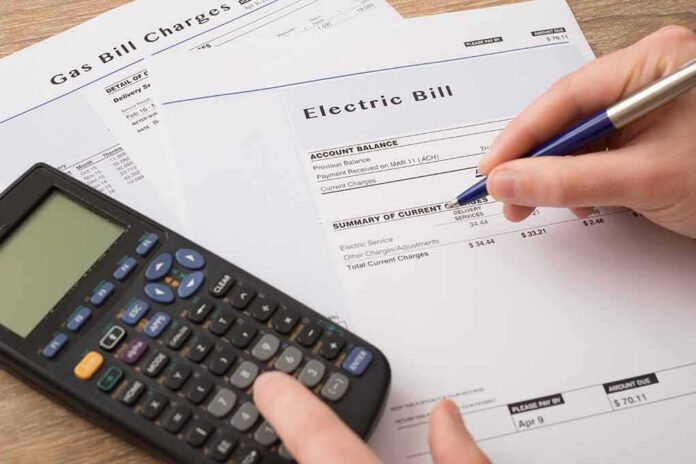
As electricity bills keep climbing, the loudest fight is now over what — and who — is really driving the surge.
Story Highlights
- Energy Secretary Chris Wright says Biden-era policies spiked power prices, but official data show smaller national gains.
- Government figures show nominal residential prices rose sharply since 2019, while inflation-adjusted gains were modest.
- Analysts tie higher bills to many causes at once: fuel, grid upgrades, storms, and fast-growing demand.
- Prices are still rising under today’s conditions, suggesting a system problem that crosses party lines.
What Wright Claimed And Why It Hit A Nerve
Energy Secretary Chris Wright told a New York Times forum that electricity prices jumped during the Biden years and pointed to Texas wholesale prices rising about 100 percent in that span. He linked the increases to weak growth in power output and policy choices. He also said those wholesale jumps were not yet fully baked into home bills, which could mean more strain ahead for families if trends continue.
Wright has repeated that theme in interviews, arguing Democratic policies had a larger effect on energy prices than recent conflicts abroad. He cited oil and gas constraints and refinery closures as policy examples. His case resonates with many who feel elites push mandates that raise costs while wages lag. But the claim that policy alone explains the surge faces pushback from data and research that show a messier picture.
What The Numbers Say About Your Bill
Congressional researchers report that from 2019 to 2025, average residential power prices rose about 29 percent in dollar terms, but only about 3 percent after inflation. That split matters because it shows much of the sticker shock ties to broader price levels, not only electricity policy. The same report flags big state-by-state differences, which means your bill depends a lot on where you live and how your grid is built.
Federal Energy Information Administration data show prices kept rising into 2026. Average revenues per kilowatt-hour were up about 6 percent year over year in April 2026. A June table showed national all-sector prices at 14.48 cents per kilowatt-hour versus 13.86 a year earlier. That confirms the pressure did not stop in 2024 or 2025 and remains a live pocketbook issue today.
Why Prices Are Rising Across Regions
Reuters reported the government expects residential prices to rise again in 2026 and 2027, with some of the largest increases on the East Coast. Rising demand is a factor, including data centers that need around-the-clock power. Growing demand meets old wires, costly storm repairs, and new transmission needs. Those overlapping costs stack up on monthly bills, which helps explain different outcomes by region and utility, not just by party control.
Energy policy experts at Columbia University describe layered drivers: fuel and wholesale costs, distribution and transmission upgrades, generation spending, and storm recovery. Their diagnosis points to a system under stress. It also says one-cause stories miss the point. Families feel the squeeze either way, which feeds a broad view that the system serves insiders first while ratepayers fund fixes that arrive late and over budget.
Do Renewable Mandates Raise Or Lower Costs?
Competing studies disagree. Some research tied renewable portfolio standards to higher retail prices over time. Other peer-reviewed work found that, after adjusting for confounding factors, utility-scale wind and solar do not raise recent retail rates and can lower them. Reuters also quoted experts who see more renewables linked to lower prices nationwide. The mixed record suggests design details, timing, and local grid needs shape outcomes more than slogans do.
Chris Wright is either disingenuous or stupid. Electricity from wind solar are 3.3% of so-called total energy. Electricity from nuclear is multiplied by 3 for its energy contribution. Doing the same for renewables brings wind & solar percentage of primary energy up to 8.5%.
— Robert G'Day (@RobertD11359976) September 27, 2026
Policy advocates on both sides cite selective numbers, which fuels distrust. A fair reading is this: mandates can add costs if rushed or poorly designed, while large projects can save money if plugged into grids the right way. Meanwhile, families still face higher bills today. That is why many Americans, left and right, believe the system is not delivering. They want honest math, clear trade-offs, and plans that cut waste and keep the lights on without breaking the bank.
Sources:
redstate.com, nytimes.com, congress.gov, eia.gov, uschamber.com, energypolicy.columbia.edu