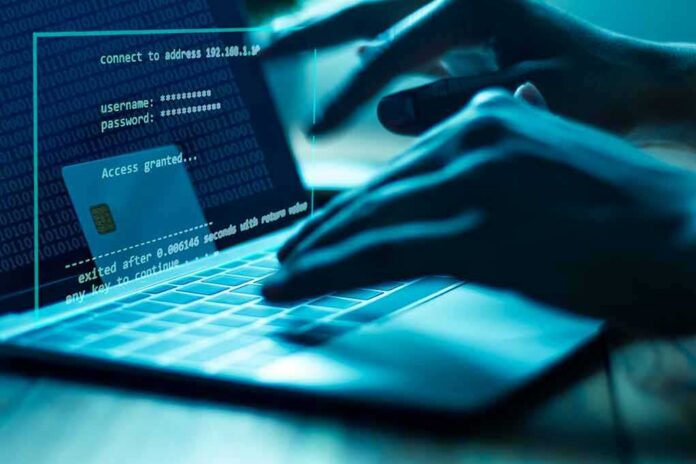
Hackers say they stole sensitive FBI employee data as the bureau confirms an active probe into possible exposure tied to its jobs portal.
Story Snapshot
- The FBI confirmed an investigation into claims tied to FBIJobs.gov.
- Hackers provided a sample with agent personal details to reporters.
- The jobs site and applicant portal showed outages during the probe.
- The breach point and full scope remain unconfirmed by officials.
FBI Confirms Probe Into Claims Targeting Jobs Portal
The Federal Bureau of Investigation (FBI) said it is investigating a cybercriminal group’s claim that it compromised the FBIJobs.gov portal and affected employee personal data. The bureau stated the point of breach is still unknown and could involve a third-party vendor or the FBI’s own enterprise systems. Officials said they are working with outside providers to reduce risk and learn what happened, signaling a real incident response is underway while facts are still being verified.
News outlets reported the jobs portal and the Special Agent Applicant Portal showed outages as the story broke. A notice described the applicant portal as unavailable, and reporters found the main jobs site offline. Those signs often follow security events as teams isolate systems and gather logs. Site downtime is not proof of theft by itself, but it matches the bureau’s statement that an active investigation is in progress and risks are being addressed.
What Hackers Claim They Took and Why It Matters
Reuters said the group provided a data sample that included names, addresses, phone numbers, birth dates, Social Security numbers, and emergency contacts for what they said were thousands of FBI employees. The outlet also reported the spreadsheet showed details on work tied to Chinese spies, Russian intelligence, and drug cartels. If verified, that kind of personnel and assignment data could raise safety risks and aid hostile actors who track and target U.S. law enforcement.
The group known as ShinyHunters told reporters it breached FBI systems and took data on many current and former employees. Some reports said the group linked the act to anger over an FBI advisory about its extortion tactics. The New York Times reported the group had not publicly leaked the full dataset, which limits outside checks on scope and source. Without a public dump, independent analysts cannot confirm provenance or scale yet.
What Is Known, What Is Not, and Why Trust Is Thin
Here is what is firm: the FBI confirmed it is probing claims tied to FBIJobs.gov; the breach point is not yet identified; and the bureau is working with its vendors to reduce risk. Here is what is not firm: whether the attackers accessed FBIJobs.gov or a connected service, how much data they took, and whether all the claimed records are real and current. Those gaps are common in the early days of federal cyber incidents.
🚨 BREAKING: ShinyHunters claims it breached the FBI.
The group says it stole sensitive data on FBI personnel and job applicants, allegedly using an Oracle PeopleSoft zero-day for pre-auth RCE.
FBIjobs gov was defaced during the incident.
The FBI is investigating.
Full…
— The CyberSec Guru (@thecybersecguru) September 23, 2026
Many Americans on the left and the right see this as another sign that systems meant to protect the public cannot protect their own workers. People worry that the government outsources core tech, spends more, and still cannot secure sensitive data. If a vendor system is involved, it revives old concerns about weak links, contract oversight, and slow fixes. If the breach is in-house, it raises questions about basic cyber hygiene and leadership accountability inside the federal enterprise.
What To Watch Next: Proof, Scope, and Remediation
Watch for three things. First, official confirmation of what system was accessed and how. The key is whether logs and forensics show data exfiltration, not just attempted access. Second, validation of the sample the hackers shared. Independent checks could match names and details to real records and confirm the source system. Third, notice letters and support for impacted employees, which would signal verified exposure and start the long process of credit and identity protection.
How This Fits a Larger Pattern of Cyber Risk
Federal portals often rely on complex stacks with identity, human resources, and hosting run by multiple vendors. That creates more doors to guard and more hands on the keys. Early statements tend to be cautious, as agencies balance public need for answers with active probes and national security needs. Media pressure and attacker spin can fill the gap. That is why clear timelines, root-cause findings, and vendor accountability matter once the dust settles.
Practical Takeaways for Readers and Applicants
Current and former applicants should monitor credit, set fraud alerts, and consider a credit freeze. Use strong, unique passwords and turn on multi-factor authentication anywhere you reused an email tied to an application. If the FBI confirms exposure, follow any official guidance in notice letters. These steps help even if the breach traces to a vendor, since stolen personal data can fuel scams, targeted phishing, and identity theft that may surface months later.
Sources:
abcnews.com, reuters.com, cnn.com