A mistrial that hinged on one juror has now spiraled into a rare court fight over whether digging into that juror’s life crosses the line.
Story Snapshot
- The defense asked a judge to probe the lone holdout juror’s honesty and phone use.
- A jury note said the holdout acknowledged doubt but refused to apply the law.
- The holdout denied lying in jury selection and says he disclosed his past.
- Public backlash grew as some leaders called media scrutiny a smear campaign.
What Triggered The Post-Trial Battle
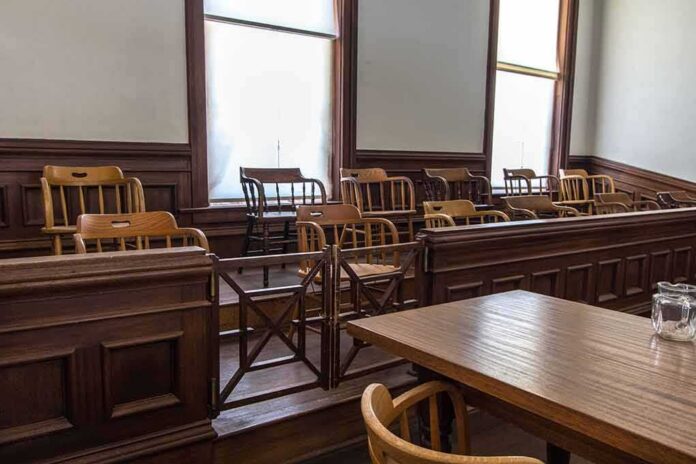
Defense attorney Kevin Reddington asked Massachusetts Judge William Sullivan to investigate the holdout juror after the Lindsay Clancy murder trial ended in a mistrial. The filing sought review of the juror’s phone metadata and his voir dire answers, after reports raised questions about his background and conduct in deliberations. Earlier, the judge refused to remove the juror during deliberations, despite concerns raised by the defense, and the panel ultimately deadlocked 11-1.
During the sixth day of deliberations, the jury foreperson sent an unusual note to the judge. The note said the holdout “has made statements acknowledging doubt, but refuses to apply it to the verdict as the law states.” That message fueled the defense request to scrutinize the juror’s conduct, but the judge kept the panel intact and pressed them to continue before declaring a mistrial. The court has scheduled further hearings on defense motions.
The Holdout Juror’s Public Response
The holdout later spoke publicly and denied lying to get on the jury. He said he truthfully listed past arrests on his juror questionnaire and that prosecutors questioned him before he was seated. He rejected the claim that he hid information or broke rules during deliberations. Other jurors, speaking after the trial, described him as stubborn and said he could not cite evidence for his vote, but those accounts reflect their views, not official findings.
Legal standards set a high bar for piercing jury deliberations or voiding a verdict due to juror misconduct. Courts often require proof that a juror concealed material facts during selection or used outside information, not just that the juror was unpersuaded or difficult in debate. Manuals and case law explain that simple disagreement, even firm disagreement, is not misconduct. Parties must show dishonesty or improper influence before a court will order deeper inquiry.
Politics, Media, And The Privacy Fight
As coverage focused on the holdout, some outlets highlighted his identity and background, prompting charges of “doxxing” and a media smear. Florida Governor Ron DeSantis said the press was targeting the juror and offered the man “asylum” in Florida if harassment continued. Commentators on both sides used the episode to attack opponents, while the juror’s name and personal details spread online through conflicting reports and interviews.
🚨⚖️ THE LINDSAY CLANCY CASE JUST TOOK ANOTHER SHOCKING TURN.
After the jury deadlocked 11–1 and the murder trial ended in a mistrial, Clancy’s defense is now asking the judge to investigate the lone holdout juror.
The defense wants his questionnaire and cellphone records… https://t.co/9Fz5uKBTAH
— @PatriotVoice (@USA_Patriot_GOP) September 21, 2026
The clash taps a core worry shared by many Americans: powerful players bend the system while regular people pay the price. When a single juror faces national pressure, faith in the jury system erodes. When defense teams sift through a citizen’s phone records and life history, civil liberties feel at risk. The law aims to balance both truths. It protects juror privacy and independence, yet allows inquiry if there is credible evidence of lies or outside influence.
What Matters For The Next Hearing
Judge Sullivan will likely ask whether the defense can present specific, material proof of misconduct. That means showing the juror hid facts that would have led to removal, or that he relied on outside information during deliberations. A foreperson’s note and juror interviews may explain tensions in the room, but they do not, by themselves, prove misconduct under common standards. Phone data or records could matter only if they tie to outside influences on the case.
Why This Case Speaks To A Bigger Breakdown
This fight is not just about one man or one verdict. It reflects a deeper breakdown of trust. People on the right see a media pile-on. People on the left see pressure to punish dissent. Both see elites playing by their own rules, while institutions struggle to protect fairness. The jury system works only if citizens feel safe to serve and lawyers accept hard losses unless real misconduct is proven. That is the principle now under test.
Sources:
redstate.com, nytimes.com, foxnews.com, cnn.com, bostonglobe.com, cbsnews.com, abcnews.com, usatoday.com