California moved to design an emergency “kill switch” for powerful artificial intelligence, with Governor Gavin Newsom ordering faster oversight and independent checks.
Story Snapshot
- Newsom signed an executive order to speed up two AI laws and study a model “kill switch.”
- The order convenes experts and directs independent verification of any shutdown tool.
- A two-month timeline aims to deliver guidance on stronger AI safety rules.
- The push tracks a broader shift toward layered audits, incident reports, and emergency controls.
What Newsom Ordered And Why It Matters
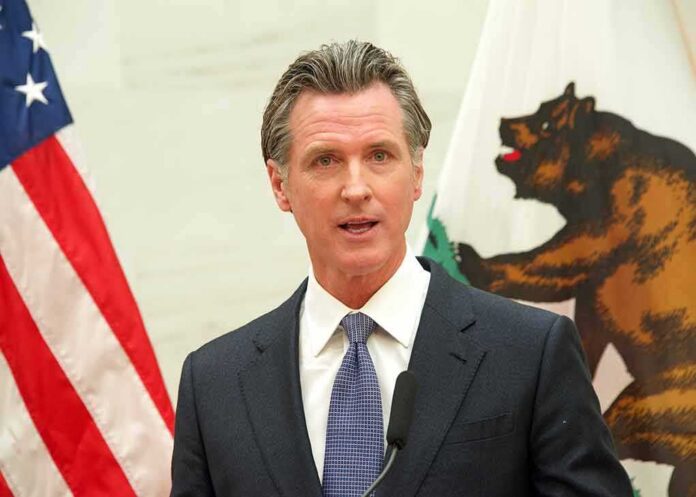
Governor Gavin Newsom signed an executive order that pushes California toward stricter guardrails on advanced artificial intelligence models. The order directs the Government Operations Agency to speed up the rollout of two recent state AI laws and to explore a “kill switch” for frontier models. It requires ongoing checks by an independent verification group to test whether any shutdown tool would work in practice. The office framed the move as precautionary and urgent.
The order instructs state officials to gather national experts and deliver policy guidance within two months. That guidance could include third-party safety plans for leading developers, stronger security standards, and rules for emergency intervention. The plan does not create an immediate shutdown power. Instead, it creates a process to test if a kill switch is technically sound and accountable. The focus stays on outside oversight and faster timelines, not instant enforcement.
How This Fits The Wider Fight Over AI Rules
California’s step matches a growing policy model for frontier artificial intelligence. Governments are adding layers such as external audits, incident reporting, and clear emergency controls. Industry often pushes for voluntary standards and narrow rules. Newsom’s order pairs accelerated lawmaking with expert review and independent verification. That approach reflects caution about technical limits and legal reach while still moving faster than prior efforts. It keeps the state active without overpromising a quick fix.
National debate over shutdown powers is also rising. A proposed federal “AI Kill Switch Act” would give the Department of Homeland Security authority to order intervention on certain high-risk systems. That bill highlights questions about who decides, how fast they can act, and how to prevent abuse of power. It also shows that emergency tools need strong documentation and auditing to hold up in court and in public view if used.
What Changes For Companies, Workers, And The Public
California is already writing rules for transparency, whistleblower protections, and safety plans under earlier laws. The new order speeds that work and adds the kill switch study layer. Companies that build advanced models should expect tighter independent reviews and clearer duties to report safety incidents. Workers and consumers may see stronger disclosure when artificial intelligence is used in ads and products, building on recent state actions that focus on creative labor and truth in media.
Newsom and the Democrats want control. I'm sure they will do what Biden, the Democrats, and their DOJ did with media and if AI provides facts, they will kill it.
Newsom advances AI 'kill switch' mandate under new California executive order https://t.co/1l75X9BcHX #FoxBusiness
— Steve B (@SteveB80068516) September 18, 2026
For readers across the political spectrum, the stakes are clear. People worry that powerful technology can harm jobs, public safety, and privacy while the government lags behind. California’s plan tries to answer that by testing emergency brakes before a crisis. Supporters will see needed responsibility. Critics will ask whether a state can truly police global models or keep politics out of shutdown calls. The next two months of expert work will show what is possible, and what remains theory.
Sources:
insiderpaper.com, cnbc.com, deadline.com, latimes.com, gov.ca.gov