Protesters injected hormones on a New York City sidewalk after federal deals forced two major hospital systems to stop gender care for minors.
Story Snapshot
- The Justice Department said NYU Langone and UPMC will end puberty blockers, hormones, and surgeries for minors.
- NYU Langone agreed to pay $8.5 million; it denied wrongdoing and said it protected patient privacy.
- Protesters rallied outside NYU Langone and staged hormone injections to oppose lost access for teens.
- Reuters reported NYU had already shut its youth program earlier this year amid regulatory pressure.
What the federal settlements require
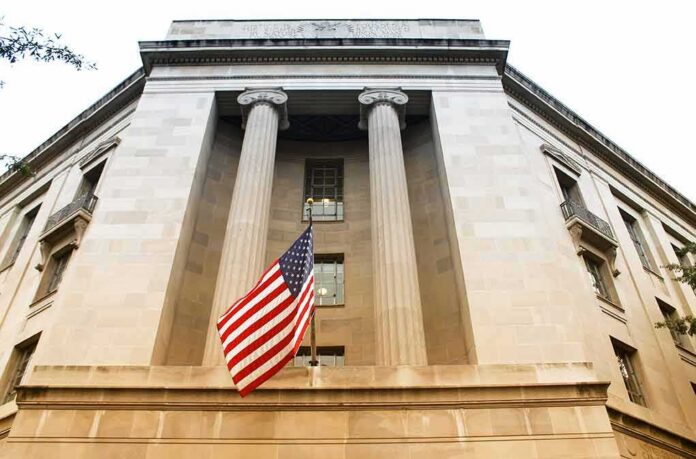
The United States Department of Justice announced agreements with New York University Langone Health and the University of Pittsburgh Medical Center on Sept. 18. The department said both systems will stop giving puberty blockers, cross-sex hormones, and surgical procedures to patients under 18. The department also said New York University Langone will pay $8.5 million as part of the deal. The agreements mark a clear policy shift that narrows access for minors nationwide.
Reuters reported that New York University Langone had already closed its transgender youth program in February. The outlet said the hospital cited the current regulatory environment when it made that change. The new federal deal formalizes the end of care for minors at the system. It also places New York University Langone among a growing list of hospitals that chose settlement terms over a long legal fight this year.
How NYU Langone framed the decision
New York University Langone said it settled to protect patients and providers. The hospital stated the deal removed the threat of handing over confidential medical data about patients under 18 who had received gender-affirming care. The statement also said the hospital denied any wrongdoing or liability. The hospital added the resolution does not affect pediatric mental health programs or care for patients 18 and older, which will continue.
This framing highlights a core tension that cuts across politics. Hospitals want to avoid sharing private records and years of legal costs. Regulators want to change practice now, not after trial. Patients and families get caught in the middle. The result is policy by settlement, not by Congress or a public rulemaking process. That process leaves many citizens feeling the system serves insiders first and everyday people last.
Street-level backlash and a viral protest
Days after the deal became public, protesters gathered outside New York University Langone in Manhattan. Reporting described demonstrators who publicly injected themselves with hormones to show anger and fear over lost access for teens. The rally signaled how fast medical policy can become a cultural flashpoint. Supporters saw a necessary safeguard for children. Opponents saw government power closing care they view as essential.
🇺🇸 Transgender activists gathered outside NYU Langone Health and publicly took hormone replacement therapy as a protest against the hospital’s restrictions on gender-transition treatments for minors.
The protesters said they were demonstrating against what they described as…
— NewsForce (@Newsforce) September 23, 2026
The protest also showed how both sides feel the system ignores them. Many conservatives say federal elites long pushed policies they view as risky and ideological. Many liberals say those same elites now rip away care without a fair hearing. Both groups distrust backroom deals. When key choices move to settlements, not open debate, the public sees decisions with high stakes and little daylight.
Why this fight has wider stakes
The New York University Langone and University of Pittsburgh Medical Center settlements land in a broader wave of agreements in 2026. National coverage shows multiple systems halting youth gender care after federal or state pressure. The pattern is simple and sharp. Agencies define these treatments as dangerous. Hospitals pay money and end services for minors. Families must find new paths or stop care. That changes lives far beyond one city.
These moves come while President Trump and a Republican Congress set the agenda in Washington. Federal agencies have used investigations and settlements to steer hospital policy on a hot-button issue. Supporters argue the government is protecting kids from harm. Critics argue the government is overruling doctors and families. Both sides agree on one thing. The process feels closed, fast, and driven by power, not trust.
What to watch next
Watch whether more hospitals sign similar deals, and whether states follow with matching limits. Track if lawsuits by civil liberties or medical groups test these settlements in court. Note whether insurers change coverage rules for teens. Finally, look for public forums where doctors, parents, and detransitioners all testify. Sunlight will not end the debate, but it may rebuild trust that the system hears the people it serves.
Sources:
reuters.com, justice.gov, cbsnews.com, nyulangone.org