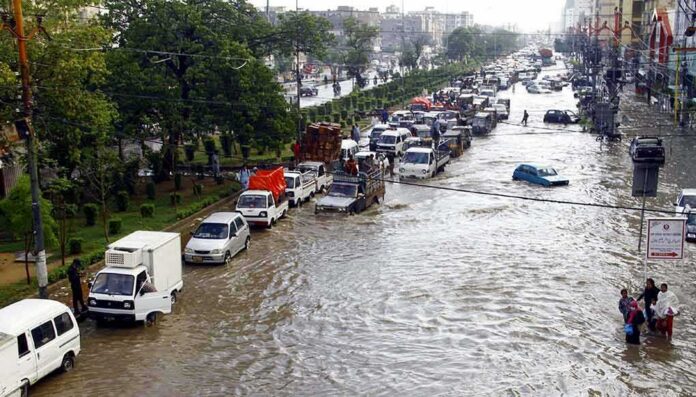
Bangkok declared all 50 districts disaster zones after days of heavy rain flooded roads, homes, and vital services.
Story Snapshot
- Bangkok’s governor declared the entire capital a disaster-affected zone after torrential rain.
- The order covers all 50 districts and unlocks emergency powers for rapid relief.
- Nearly 300 millimeters of rain fell in under three days, with more storms forecast.
- The move expands an earlier, narrower designation as flooding worsened across the city.
Citywide Disaster Declaration And What It Triggers
Bangkok Governor Chadchart Sittipunt declared the capital a disaster-affected zone on Saturday after widespread flooding followed days of intense rain, with the weather agency warning of more storms over the weekend. The order covers all 50 districts, not just the initial few flagged earlier as conditions worsened. The designation lets local authorities speed drainage, open shelters, and mobilize equipment and staff under Thailand’s Disaster Prevention and Mitigation Act of 2007.
Officials said the crisis threatens lives and property as water swamped key roads and low-lying neighborhoods. The declaration gives city agencies flexibility to reroute traffic, stage pumps, and move resources without normal red tape. Local groups can now coordinate with the Bangkok Metropolitan Administration to deliver aid, assess damage, and support vulnerable residents, including the elderly and bedridden patients, in affected areas.
Scale Of The Flooding And The Rapid Expansion
Reports from the capital describe widespread waterlogging after nearly three days of downpours, with some areas seeing close to 300 millimeters of rainfall in that window. Earlier in the week, the city labeled three districts disaster areas, then expanded coverage as the rain kept falling and canals and drains filled up. By Saturday morning, officials moved to a citywide order to match the growing footprint of the floods and simplify command and control across the metropolis.
This step fits a common emergency pattern: start targeted to unlock tools, then go broader when the event outgrows the first map. Thai disaster rules are built for that shift. Once declared, agencies can accelerate drainage, set up shelters, and direct support to where it is needed most, including rescue, medical help, and food and water distribution. That makes the legal label less about headlines and more about clearing a path for action on the ground.
Why This Matters For Daily Life And The Economy
Residents woke to submerged streets, long traffic delays, and flooded homes and shops, straining daily routines and local commerce. Delivery routes slowed. Commuters faced detours. Small businesses along clogged drains and canals bore the brunt as inventory and equipment sat in standing water. City crews focused on high-impact chokepoints to restore movement and protect hospitals, power, and water services from knock-on failures as more storms loom.
Tourism and trade hubs depend on predictable transport and safe public spaces. Prolonged flooding threatens those pillars and adds costs for cleanup and repairs. Local leaders also face a race against time to pump water before the next round of rain. The disaster powers allow quicker contracting, staging of pumps, and joint work with utilities to keep lights on and clinics reachable. That speed can limit damage and shorten recovery times across the city.
How Authorities Are Coordinating The Response
Bangkok’s emergency teams are using the citywide order to centralize information and push help to the worst-hit blocks. The Bangkok Metropolitan Administration and local organizations can now coordinate shelters, medical checks, and damage assessments in parallel rather than in sequence. Hotlines and reporting platforms help residents flag hazards, request aid, and guide crews to stranded drivers or flooded homes faster than traditional call trees allow.
Authorities in Bangkok declared a flood disaster across all 50 districts on Saturday after three consecutive days of heavy rain inundated roads, homes and businesses across the Thai capital.
Read more:https://t.co/CBwtovNepX— The Milli Chronicle (@MilliChronicle) September 26, 2026
Weather forecasts indicate more thunderstorms over the weekend, keeping the focus on drainage and safety messaging for motorists and families in flood-prone lanes. Officials urged caution around fast-moving water, downed lines, and open manholes hidden by floodwater. If rainfall totals ease, crews can pivot from response to cleanup and repairs. If storms persist, the broad disaster powers remain in effect to keep resources flowing to front-line teams at speed.
Sources:
youtube.com, aljazeera.com, reuters.com, malaymail.com, trtworld.com, ndtvprofit.com, bernama.com