President Trump is signaling that Iran’s nuclear ambitions and its crackdown on protesters could finally meet a hard American deadline backed by real force.
Quick Take
- Trump publicly set two conditions for avoiding U.S. military action: Iran must end its nuclear program and stop killing protesters.
- U.S. forces are building up in the Middle East, creating deterrence and giving the White House multiple strike and raid options.
- Iran’s messaging has swung between threats of an “all-out” response and renewed talk of nuclear negotiations.
- Reporting describes options ranging from targeted strikes on security leadership to possible troop raids on nuclear facilities.
Trump’s Two Demands Put Tehran on Notice
President Trump’s posture toward Iran now centers on two explicit demands delivered publicly: no nuclear program and no killing of Iranian protesters. That framing matters because it ties U.S. pressure to both national security and human rights abuses, rather than vague “de-escalation” rhetoric that often produces stalemate. Reporting describes Trump weighing military options while leaving the door open to talks, an approach that aims to force clarity from Tehran—comply or face consequences.
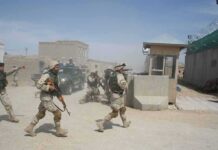
A senior Gulf official told Fox News that U.S. military assets are moving into the region as Trump considers potential strikes. Trump also confirmed the buildup in remarks that referenced major naval movements, indicating the deployments are not merely symbolic. The practical effect is leverage: positioning ships, aircraft, and supporting assets gives U.S. commanders credible options and gives diplomats something concrete behind any message carried through regional intermediaries.
Military Buildup Creates Options Beyond “One-Time Strikes”
Reporting indicates the menu under review is broader than limited airstrikes. Options described include targeted attacks on Iranian security forces and leaders, designed to weaken the regime’s ability to suppress unrest, and even possible raids by U.S. troops on nuclear sites—particularly facilities believed to have survived earlier damage. This matters because raids and leadership-focused operations carry different risks and objectives than stand-off strikes, and they require more preparation and regional posture.
The same reporting highlights that Saudi Arabia and other Gulf actors are engaged in messaging that could help avert escalation. That mediation channel is significant because Gulf states sit within range of Iranian retaliation and have strong incentives to prevent a wider war. At the same time, a deterrence strategy only works if Tehran believes the U.S. will act. That is why the visible buildup—combined with clear demands—functions as both a warning and a test.
Iran’s Mixed Signals: Threats One Day, Diplomacy the Next
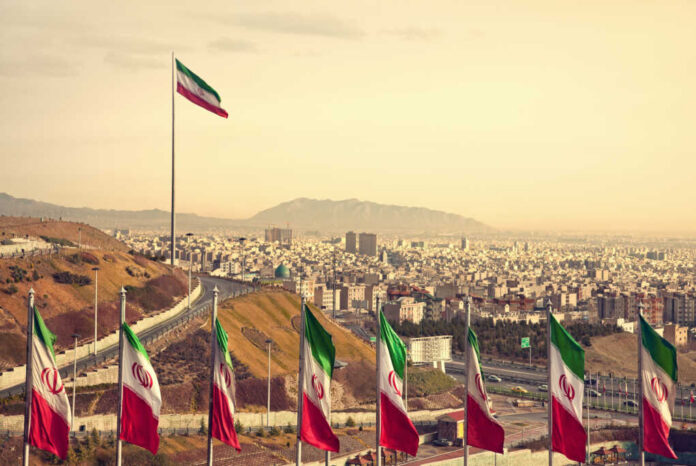
Iran’s leadership has not spoken with one voice. Ali Shamkhani, described as a senior adviser to Supreme Leader Ayatollah Ali Khamenei, warned that U.S. action would trigger an immediate, “all-out” response. Yet Iranian Foreign Minister Abbas Araghchi signaled openness to diplomacy and nuclear negotiations. Those contradictory signals can reflect internal divisions, tactical messaging, or a regime trying to slow-roll pressure while it calculates whether U.S. threats are real.
Uncertainty is compounded by claims about the intensity of the internal crackdown. Reporting cites rights groups verifying deaths in the thousands, with estimates reaching tens of thousands, amid mass anti-regime protests. The precise scale is difficult to confirm independently, but the thrust is consistent: Iran is facing unusually serious internal pressure. If the regime’s security apparatus is stretched, U.S. decision-makers may view that moment as increasing both the opportunity and the danger of any action.
What “Maximum Pressure” Looks Like After Years of Drift
The strategy described resembles Trump’s earlier “maximum pressure” model—combining military posturing, sanctions enforcement, and political support for protesters—while learning from past limitations. One expert discussion argues for a whole-of-government approach that includes targeted strikes on leadership and security structures, cyber operations that could help protesters, and tighter demands focused on nuclear and military constraints. The consistent theme is narrowing objectives to what U.S. power can actually enforce.
Risk remains central. Reporting warns of possible Iranian retaliation against U.S. and Israeli targets and broader regional escalation, which could draw in partners and expose Gulf infrastructure. Oil markets can also react sharply to Gulf tensions, raising costs for Americans at home. Still, the current posture reflects a conservative reality check: deterrence fails when adversaries sense hesitation. Trump’s approach seeks to restore credibility while keeping talks available—so Tehran cannot claim confusion about what the U.S. will tolerate.
Sources:
Trump confirms talks with Tehran, is reportedly mulling raids by troops on Iranian facilities
The expert conversation: Should Trump strike Iran? What happens next if he does?