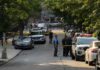
A Ring camera captured a neighbor walking up in broad daylight and stabbing a 10-year-old girl and her grandfather outside their Los Angeles home—another reminder that “public safety” slogans don’t stop real violence.
Story Snapshot
- LAPD says a 31-year-old suspect, Eric Avilez, stabbed a 10-year-old girl and her elderly grandfather as they were leaving for school in Sunland, Los Angeles.
- The suspect allegedly fled in the victims’ Volvo, which police later located about a mile away before making an arrest after an hourslong search.
- Both victims were hospitalized in stable condition, and family members declined on-camera interviews.
- Neighbors say they had previously called police about ongoing disturbances tied to the suspect, raising questions about what options communities have before violence erupts.
Ring Video Shows a Morning Routine Turned Into an Attack
Los Angeles police and local reports say the stabbing happened Friday morning, February 6, 2026, on the 10300 block of Eldora Avenue in Sunland. The grandfather was placing his 10-year-old granddaughter into a vehicle to head to school when the suspect approached and stabbed the child in the arm. Reports say the suspect then stabbed the grandfather in the neck and arm before taking off in the victims’ Volvo.
LAPD said the stolen vehicle was located shortly after the attack on McVine Avenue, roughly a mile from the scene. Authorities then conducted a search that lasted for hours before arresting the suspect near Oro Vista Avenue and Grove Street. Firefighters transported the victims to a hospital, and officials said both were in stable condition as of the initial reports.
Girl, 10, and her grandfather stabbed by crazed neighbor while heading to school in LA https://t.co/8pbZVqy20L pic.twitter.com/bcM9dpiQAi
— California Post (@californiapost) February 6, 2026
Suspect Identified as Local Man; Charges Still Pending
Police identified the suspect as Eric Avilez, 31. As of the Friday reporting window referenced in the available coverage, Avilez had been booked but had not yet been formally charged, and investigators said the case remained active. One uncertainty in the early reporting involved how to describe the suspect’s living situation: police used the term “transient,” while neighbors described him as someone staying with family nearby.
Those distinctions matter because they shape how residents interpret risk. If a threat is perceived as “random,” people often accept official reassurances and move on. If the threat is perceived as ongoing and known, families naturally ask what practical protections exist before someone gets hurt. The sources available so far do not provide charging documents, motive statements, or detailed court history, limiting what can be concluded beyond the reported timeline and identification.
Neighbors Describe Prior Disturbances and a Breakdown in Trust
Neighbor accounts in the reporting describe a pattern of troubling behavior before the stabbing, including claims that residents had called police multiple times. One neighbor said the suspect had been a recurring “problem,” describing conduct like peering over fences and harassing people on the street. The same reporting includes an allegation of a prior near-stabbing involving a child about six months earlier; police said they were checking records related to that claim.
That “we called and nothing happened” frustration is not an abstract political talking point—it shows up in communities after preventable tragedies. The reporting also captured residents expressing anger and even talking about arming themselves if they believe authorities cannot or will not intervene. None of that establishes fault by law enforcement in this case, but it does document a trust gap that grows when residents believe warnings are not acted on.
Mental Illness Claims Raise Policy Questions Without Excusing Violence
Family members in the reports said Avilez has a history of serious mental illness, including psychosis and schizophrenia, and they described periods of treatment disruption. A brother publicly expressed regret, and family comments emphasized that they did not want the situation to reach this point. Police did not publicly offer a medical conclusion; they focused on locating the suspect, recovering the car, and continuing an investigation into possible prior incidents.
The intersection of violent behavior, untreated mental illness, and public safety is politically charged, but the facts available here support a narrower takeaway: families want a system that protects innocent people first. The U.S. Constitution does not require communities to accept predictable danger as normal, and it does not demand that victims pay the price for bureaucratic delays. With charges still pending, the next meaningful update will be what prosecutors file, what evidence the video supports, and whether any prior reports become verifiable.
Sources:
https://www.cbsnews.com/losangeles/news/sunland-stabbing-man-and-10-year-old-police-investigate/
https://abc7.com/post/2-stabbed-sunland-triggering-search-suspect-los-angeles-police-say/18554001/
https://nationaltoday.com/us/ca/los-angeles/news/2026/02/06/grandfather-and-10-year-old-granddaughter-stabbed-in-la-attack
https://www.aol.com/news/suspect-run-10-old-girl-161648865.html