A jury’s refusal to convict a protester for tossing a sandwich at a federal agent highlights growing skepticism toward government overreach and efforts to criminalize minor dissent.
Story Snapshot
- Sean Charles Dunn acquitted after throwing a sandwich at a Border Patrol agent during anti-Trump protest.
- Prosecutors failed three times to secure a felony indictment, underscoring doubts about the seriousness of the charge.
- The case became a viral symbol of protest rights and raised debate over the limits of law enforcement in local jurisdictions.
- Jury’s verdict signals judicial reluctance to punish symbolic acts when no real harm occurs.
Protest in Washington, D.C.: Symbolism and Government Authority
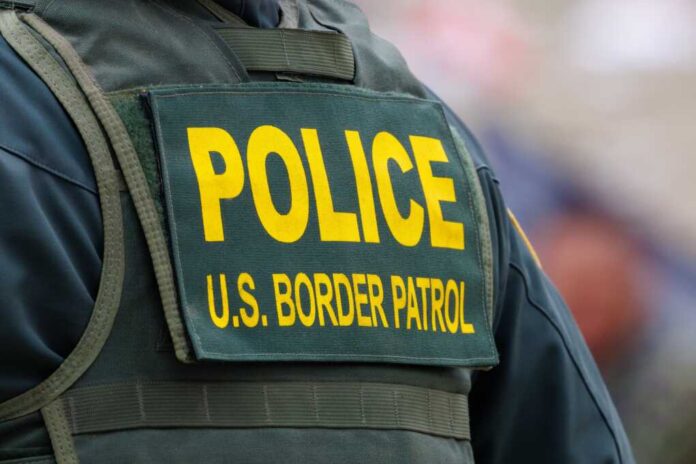
During a heated anti-Trump protest in Washington, D.C., former Justice Department employee and Air Force veteran Sean Charles Dunn threw a sandwich at a federal Border Patrol agent. The incident occurred as federal agents, including ICE and Border Patrol, patrolled city streets amid heightened unrest and controversy over immigration enforcement. Prosecutors labeled the act as a knowing assault, but defense attorneys argued it was a harmless, symbolic protest protected by the First Amendment. The viral video of the incident brought national attention to the trial, making the sandwich a meme and symbol for protest rights.
The federal government sought a felony indictment against Dunn three times, reflecting aggressive prosecutorial tactics during periods of political polarization and law enforcement surges. Each time, grand juries declined to indict, indicating skepticism about categorizing the sandwich-throwing as a serious crime. Ultimately, Dunn faced a misdemeanor assault charge. The jury’s acquittal on November 6, 2025, marked a decisive moment, as jurors found no compelling evidence of criminal intent or harm. This outcome highlights the legal system’s resistance to criminalizing minor acts of symbolic protest, especially when the object involved is not a weapon and the incident causes no injury.
Federal Law Enforcement, Protest Rights, and Judicial Limits
The deployment of federal agents to U.S. cities, including Washington, D.C., was a hallmark of the Trump administration’s response to civil unrest and perceived threats to public order. Such actions sparked widespread protests and debate over the role of federal law enforcement in local matters. Activists and legal experts argued that prosecuting minor protest actions—particularly symbolic gestures like throwing a sandwich—risked infringing on First Amendment protections and escalating tensions between citizens and government authorities. The defense’s argument emphasized the agent’s own reaction to the incident, noting that he treated it humorously and displayed a “felony foot long” lunchbox, persuading the jury that no real harm was intended.
Legal analysts and First Amendment scholars now view the acquittal as a precedent in distinguishing between symbolic protest and criminal assault. The verdict may embolden activists to continue using nonviolent, symbolic acts to express dissent, knowing that courts are reluctant to impose severe penalties for harmless gestures. It also raises important questions about prosecutorial discretion, the boundaries of federal authority, and the importance of protecting fundamental rights in the face of government overreach. The case demonstrates that American juries can act as a check on excessive legal interpretations that threaten civil liberties and the right to protest.
Broader Implications for Conservative Values and Constitutional Protection
For many conservatives, the outcome of Dunn’s trial represents a victory for common sense, individual liberty, and judicial restraint. The acquittal underscores the importance of safeguarding constitutional rights—including the right to free speech and peaceful protest—against attempts to expand government power and punish minor acts of dissent. It also reflects broader frustration with policies that erode personal freedoms, whether through prosecutorial overreach, unchecked law enforcement tactics, or efforts to stigmatize symbolic opposition. As debates continue over immigration enforcement, federal authority, and the limits of protest, this case will serve as a touchstone for those committed to upholding American values and resisting absurd attempts to criminalize harmless acts.
Man who hurled a sandwich at federal officers in DC in protest found not guilty of assaulthttps://t.co/2Y2gPt8hK7
— The Independent (@Independent) November 6, 2025
While the sandwich incident generated little economic impact, its social and political significance cannot be ignored. The viral nature of the case has made it a talking point in discussions about protest, law enforcement, and judicial integrity. Legal experts anticipate that future cases involving symbolic protest actions will reference Dunn’s acquittal, reinforcing the principle that courts must weigh intent, harm, and constitutional protections before rendering judgment. For conservatives and constitutional advocates, this verdict is a reminder of the enduring power of individual liberty and the necessity of vigilance against overreaching government agendas.
Sources:
Man who threw sandwich at US federal agent found not guilty of assault
Jury finds D.C. ‘sandwich guy’ not guilty of assaulting officer