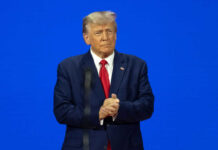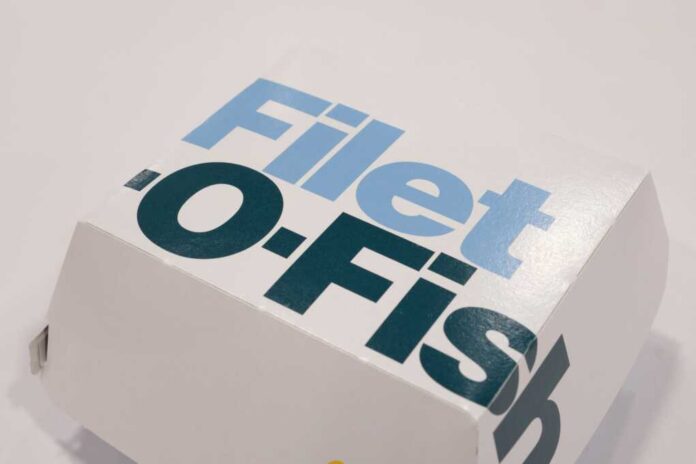
Trump’s unscripted praise for McDonald’s Filet-O-Fish at a national summit has reignited debate over American traditions, nostalgia, and the role of comfort food in political theater.
Story Snapshot
- Trump singled out the Filet-O-Fish as his favorite, sparking viral nostalgia and debate about American fast-food culture.
- His remarks at the McDonald’s Impact Summit were personal and unscripted, focusing on comfort food rather than policy.
- The story highlights Trump’s ongoing use of relatable references to connect with everyday Americans amid shifting political landscapes.
- Public reaction has been swift, with renewed interest in the sandwich and discussion of its cultural significance.
Trump’s Filet-O-Fish Endorsement Resonates with Conservatives
At the McDonald’s National Impact Summit in Washington, D.C., on November 17, 2025, President Trump’s spontaneous endorsement of the Filet-O-Fish captured national attention. By expressing his personal preference for the classic sandwich and requesting “a little bit more tartar sauce,” Trump tapped into deep-seated American nostalgia for comfort food. This move quickly went viral, underscoring how cultural references can unite people across political divides and stir memories of simpler times. For many, Trump’s focus on everyday American staples stands in stark contrast to the divisive policies and globalist rhetoric of prior administrations.
Throughout his public life, Trump has used fast-food references—especially those tied to McDonald’s—to project relatability and authenticity to working-class voters. His well-documented affinity for these brands is not new; he has been photographed eating McDonald’s on the campaign trail and frequently discusses his preference for consistency and safety in food choices. By spotlighting the Filet-O-Fish, Trump not only connects with the American public but also reaffirms a populist message: celebrating traditions and everyday pleasures in the face of cultural and economic upheaval.
Fast Food Nostalgia and American Identity
The Filet-O-Fish itself has a storied history, dating back to its 1962 introduction in Cincinnati to cater to Catholic customers abstaining from meat on Fridays. Over six decades, it has become a staple of the McDonald’s menu and a symbol of American fast-food culture. Trump’s remarks have reignited widespread nostalgia, with social media users sharing personal memories and debating the merits of the sandwich. The conversation has extended to the appropriate amount of tartar sauce and the Filet-O-Fish’s place in the pantheon of American comfort foods, reflecting how such items serve as cultural touchstones and sources of unity in a rapidly changing society.
Industry experts and marketing analysts view Trump’s comments as an example of “earned media” that can significantly impact brand perception and drive sales. The viral nature of his endorsement demonstrates the power of informal celebrity influence in shaping consumer behavior. For McDonald’s, the publicity offers a timely boost amid broader discussions about fast-food affordability and shifting consumer habits. While the company has not issued a formal response regarding potential menu changes, the story’s momentum could influence future marketing and product strategy.
Populist Messaging and Political Strategy
Trump’s use of fast-food references is part of a broader strategy to appear relatable and distract from contentious policy debates. Political communication scholars note that such tactics reinforce his populist branding and allow him to connect with voters on a personal level. The incident at the Impact Summit exemplifies how light-hearted moments can become viral talking points, shaping public discourse and offering relief from more divisive political topics. For conservative audiences, Trump’s celebration of American comfort food stands as a rebuke to the elitist and globalist agendas of previous administrations, favoring familiar traditions over radical change.
Some commentators interpret Trump’s remarks as harmless nostalgia, while others see them as calculated political theater. Regardless of perspective, the story’s rapid spread across media outlets and social platforms reflects its resonance with the American public. The debate over the Filet-O-Fish—its merits, cultural significance, and even the optimal amount of tartar sauce—serves as a microcosm of larger discussions about identity, values, and the importance of preserving traditions in an increasingly complex world.
Trump's praise for McDonald's Filet-O-Fish sparks nostalgia — and a saucy debate https://t.co/qbhXuhjRvN
— Fox News Lifestyle (@FoxNewsLife) November 18, 2025
Ultimately, Trump’s Filet-O-Fish moment highlights the intersection of food, politics, and culture. It demonstrates how simple gestures and relatable references can shape public perception, drive consumer trends, and spark meaningful conversations about what it means to be American. As the story continues to trend and fuel debate, it stands as a testament to the enduring power of nostalgia and the role of comfort food in bridging divides—both political and cultural.
Sources:
Donald Trump’s Tangent on McDonald’s Filet-O-Fish (The New Republic)
Trump Talks Filet-O-Fish at McDonald’s Summit (Fox Business)
Trump, One of McDonald’s Most Loyal Customers, Offers Filet-O-Fish Suggestion (Fox Business)
Donald Trump Reveals Favorite McDonald’s Meal at Summit (TMZ)
Trump’s Praise for McDonald’s Filet-O-Fish Sparks Nostalgia and Debate (Fox News)