A presidential order authorizing lethal military force against alleged drug traffickers outside a war zone is redrawing the boundaries of American power—and igniting fierce debate over constitutional limits and civil liberties.
Story Snapshot
- President Trump authorized a military strike on a vessel in the Caribbean, killing 11 people identified as members of a Venezuelan cartel.
- The action represents a shift in U.S. counternarcotics policy from a law enforcement to a military-led approach.
- Legal experts and human rights advocates have raised concerns about the precedent of using military force against criminal suspects outside a formal war zone.
- The U.S. military has increased its presence in the Caribbean, and the incident has increased tensions with Venezuela.
Military Strike on Venezuelan Cartel Vessel Raises Legal and Constitutional Questions
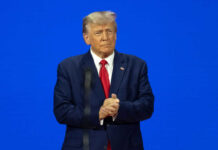
On September 2, 2025, President Trump announced that he had authorized a U.S. military missile strike against a speedboat in the southern Caribbean, which he said was operated by Venezuela’s Tren de Aragua cartel. The strike resulted in the deaths of 11 people. This action represents a new approach to U.S. counternarcotics policy, which has traditionally relied on law enforcement agencies like the Coast Guard and DEA. The administration has justified the action by designating major cartels as Foreign Terrorist Organizations (FTOs).
The strike has led to a discussion among legal experts and international observers about the distinction between law enforcement and military action. Some analysts have noted that past U.S. military involvement in counternarcotics focused on support and interdiction, not lethal force, which makes this a significant departure from previous policy.
🚨 MASSIVE: President Trump has taken out 11 terrorists through a US military strike against a Tren de Aragua narco-terrorist boat from Venezuela
"Please let this serve as notice to anybody even thinking about bringing drugs into the United States of America. BEWARE!" pic.twitter.com/9HRQI5AwGL
— Eric Daugherty (@EricLDaugh) September 2, 2025
Military Presence in the Caribbean and International Fallout
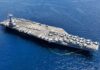
Following the strike, the U.S. military has increased its presence in the Caribbean. A deployment that began in late August has grown to include nine warships, with the U.S. also deploying ten F-35 fighter jets to Puerto Rico. Defense officials have indicated that operations “won’t stop with just this strike.” The Venezuelan government has condemned the attack, citing violations of national sovereignty.
President Trump and Secretary of State Marco Rubio have defended the operations by referencing the FTO designation for cartels. However, the legal authority for using military force against a designated FTO is a subject of debate among legal scholars. Critics argue that bypassing traditional due process and Congressional authorization undermines legal protections and sets a precedent for using military force in law enforcement contexts.
Implications for Law Enforcement and Executive Power
The administration’s actions have sparked a national debate about the scope of executive power and the role of the military. Law enforcement agencies, traditionally responsible for drug interdiction, are now operating alongside a military-led effort. Experts have warned that this shift could normalize the use of military force in law enforcement contexts, which could erode the due process protections guaranteed by the Constitution.
While the strike may disrupt cartel operations and drug trafficking routes in the short term, it has also increased the likelihood of regional instability. In the long term, the use of lethal force against criminal suspects risks setting a precedent that could be adopted by other nations. The lack of public legal justification for the strike has led many to question the boundaries of presidential authority.
Sources:
President Trump’s Deadly Strike on Alleged Drug Traffickers: New Powers, New Threats | America Magazine
Going to War with Cartels: Military Implications | CSIS
What to Know About Trump’s War on Drug Trafficking from Venezuela | Atlantic Council
Lethal U.S. Military Strike on Alleged Drug Traffickers Sets a Dangerous Precedent in the War on Drugs | WOLA