A sweeping new immigration law threatens to leave millions of law-abiding families without food aid, raising urgent concerns about the impact of government overreach on American communities.
Story Snapshot
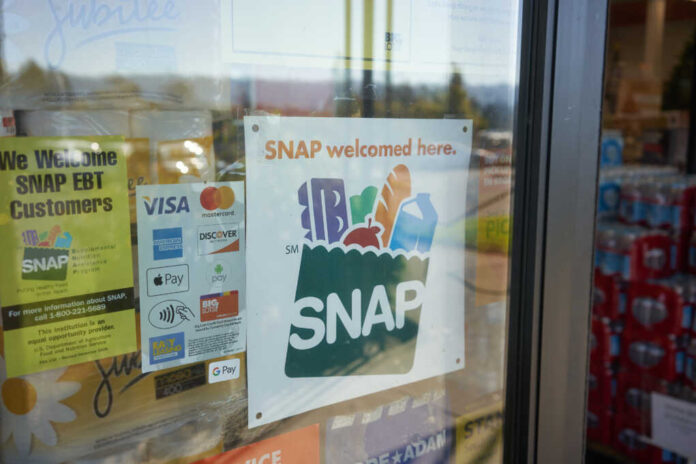
- Trump administration posts notice: no federal food aid will be distributed after November 1.
- Food banks report a surge in demand, straining resources and sparking fears of shortages.
- Recent legislation expands immigration enforcement, affecting access to essential benefits for many families.
- Critics warn the policy could destabilize communities and undermine American values of self-sufficiency and fairness.
Federal Food Aid Halt: Immediate Impact on Communities
On the heels of President Trump’s renewed focus on border security and fiscal restraint, the federal government has posted official notice that all federal food aid programs will cease distribution starting November 1. Across the country, food banks and volunteers have already observed a steep rise in the number of people seeking assistance, with many organizations warning that soon they may be unable to meet the escalating demand. This abrupt halt in aid is directly tied to sweeping changes in federal benefits law, reflecting the administration’s determination to cut what it views as unsustainable spending and to discourage what some see as dependency on government handouts.
For many conservative Americans, this move is a double-edged sword. On one hand, it addresses persistent frustrations over years of unchecked government expansion and mounting deficits. On the other hand, it raises questions about whether the rapid rollback of safety nets could unintentionally harm law-abiding citizens and families who rely on temporary help during tough times. Community leaders are voicing concerns that the new policy may inadvertently burden local charities and churches, which are already stretched thin by increased need.
Due to the federal government shutdown, SNAP benefits will not be distributed in November. No family should have to worry about going hungry because of Republican political games in DC. Local food banks, churches, and community organizations are working hard to help those in need pic.twitter.com/NO8NXVcauf
— State Representative Stephanie A. Young (@StateRepSteph) October 29, 2025
Immigration Enforcement and Cuts to Benefits: The New Legislative Landscape
Central to the policy shift is the “One Big Beautiful Bill Act” (OBBBA), signed into law on July 4, 2025. This legislation directly strips many lawfully present immigrants of access to health insurance and nutrition aid, removing the anti-poverty benefits of the Child Tax Credit for millions of children with immigrant parents. The OBBBA also allocates $170 billion to immigration enforcement, detention, and deportation, while cutting funding for federal food and health assistance programs. These provisions are designed to reinforce the administration’s commitment to strict immigration enforcement and fiscal responsibility, but they have generated fears of destabilization in communities nationwide.
Recent policy memos and executive orders have further accelerated these changes. The Trump administration has aggressively pursued removal of noncitizens, pressured states and localities to cooperate with federal immigration enforcement, and limited access to humanitarian forms of relief. New rules now mandate expanded use of expedited removal, enabling raids in workplaces, schools, and even houses of worship. Critics argue that these efforts risk undermining due process and humanitarian protections, while supporters insist that only decisive action will restore the rule of law and protect American sovereignty.
Food Banks Sound the Alarm Amidst Rising Demand
Food bank volunteers across the nation are raising the alarm as the number of people seeking help surges to unprecedented levels. Many organizations are struggling to keep up, fearing that their resources will soon be exhausted. The confluence of halted federal aid and expanded immigration enforcement is creating a perfect storm, leaving families—including many with American-born children—at risk of going hungry. Critics warn that the OBBBA’s drastic expansion of detention centers and the elimination of certain relief programs could have lasting effects, pushing already vulnerable communities to the breaking point.
At the same time, many conservative supporters argue that years of unchecked spending and lax border policies have contributed to the present crisis. They express hope that the administration’s tough stance will ultimately restore order and reduce reliance on government aid, encouraging a return to American values of hard work and self-sufficiency. Still, the immediate humanitarian impact cannot be ignored, as local charities and faith groups brace for an influx of families in need.
Constitutional Concerns and the Debate Over Federal Power
The sweeping changes have reignited debate over the constitutional limits of executive power and the proper role of the federal government. Legal analysts point out that some new enforcement measures, including expanded use of military personnel for immigration raids and the indefinite detention of families, may push the boundaries of what the Constitution permits. Civil liberties advocates warn that such actions threaten to erode due process, family unity, and the basic freedoms that Americans hold dear.
While many conservatives applaud President Trump’s commitment to restoring the rule of law and reining in government overreach, others caution that the administration must balance these goals with respect for individual rights and the foundational principles of the republic. As the nation grapples with the consequences of these dramatic policy shifts, the need for common-sense solutions—rooted in constitutional values and practical compassion—remains more urgent than ever.
Sources:
The Anti-Immigrant Policies in Trump’s Final “Big Beautiful Bill …
https://www.reuters.com/world/us/us-department-agriculture-says-no-food-aid-benefits-will-be-issued-next-month-2025-10-26/?utm