
An anonymous blog run from ISIS-occupied Mosul became a lifeline of truth that recorded executions, torture, and cultural destruction as they happened.
Story Highlights
- Associated Press identified Omar Mohammed as the blogger behind Mosul Eye, who documented ISIS rule from inside Mosul.
- Interviews and institutional reports describe how he walked the city, gathered facts, and posted under threat.
- Mosul Eye became a key source for outside journalists and a digital archive of abuses.
- A university program now frames his memoir as a record of daily life, killings, and destroyed heritage.
The Blogger Behind Mosul Eye Comes Into the Light
Associated Press reported in 2017 that Omar Mohammed was the once-secret writer of Mosul Eye. He had lived under the Islamic State and documented life under the group for more than three years, posting details of killings and crackdowns from inside the city. The report ended years of guessing about the author. It also confirmed what many suspected: a single person took great risks to get credible information out to the world.
The Geneva Centre for Security Policy later laid out how he worked. Mohammed followed strict rules to avoid notice. He grew his hair and beard as demanded by the Islamic State. He walked the streets, talked with shopkeepers, visited hospitals, and listened to fighters speak. He used those details to write posts that showed how the group ruled and punished people in Mosul.
What the Archive Captured Inside Mosul
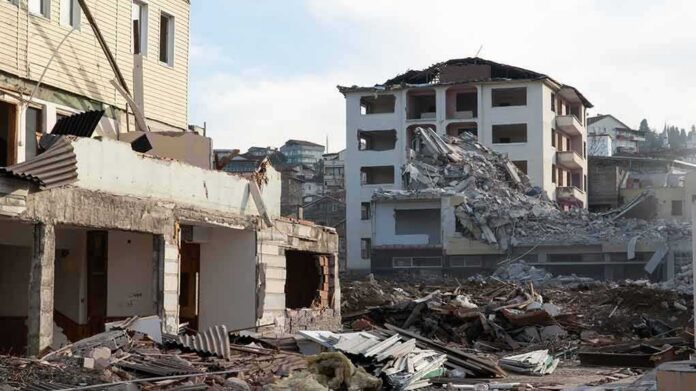
Reports describe Mosul Eye recording frequent public punishments. The posts covered executions, beheadings, torture, amputations, and floggings. They also described stonings, including of women, and killings of people thought to be homosexual. The blog tracked the destruction of ancient sites and artifacts that formed part of Iraq’s history. These records offered one of the only steady windows for people outside the city during the occupation.
The Geneva Centre reported that Mosul Eye became a main source for foreign journalists. Reporters and researchers used the posts to understand life under the Islamic State and to track events. The archive still serves as a digital record for future study of the group’s rule in Mosul. That reach shows how a lone historian, working in secret, can fill a gap when formal monitors cannot enter a war zone.
From Secret Posts to Public Scholarship
George Washington University’s Program on Extremism describes Mohammed’s memoir and work as a direct account of Mosul under the Islamic State. The program highlights how he documented daily life, checkpoints, executions, and the destruction of culture from inside the city. It also identifies him plainly as Mosul Eye’s founder, linking the archive to his name and research today. One detail differs across reports: some say two years, others more than three, for time spent documenting.
Iraqi historian Omar Mohammed risked his life running the Mosul Eye archive from inside the city under ISIS—documenting executions, the destruction of heritage, and the systematic erasure of history. He later worked to recover Mosul’s long Jewish past. Then, after “Go back to… pic.twitter.com/jnZplWOI4p
— Trisha Posner (@trishaposner) October 27, 2026
This story matters in a larger way for Americans worried about power and truth. Citizens often step in when states fail to protect basic rights or to share facts from closed places. Mosul Eye shows how one person can beat a blackout and preserve evidence of crimes. It also shows a limit we still face in many conflicts: civilians carry the burden to record abuses while the world argues over politics and process instead of fixing what is broken.
Sources:
theatlantic.com, cbc.ca, gcsp.ch