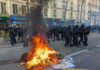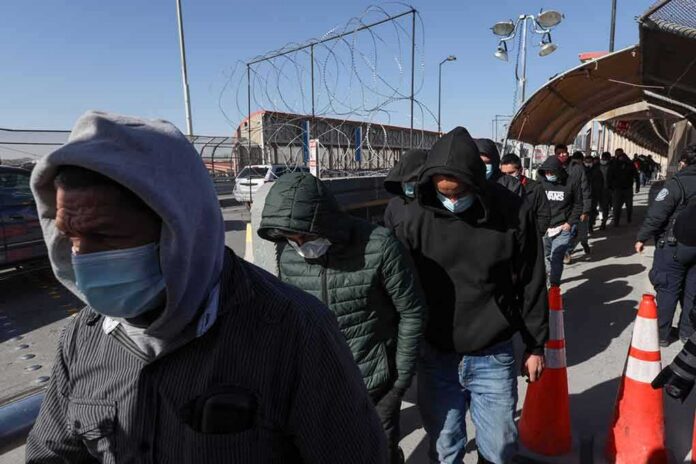
Hundreds of masked protesters shut down roads to the Port of Dover, halting cross-Channel traffic and exposing how fragile vital infrastructure can be when politics turns into blockade action.
Story Snapshot
- Masked anti-immigration protesters blocked Dover’s port roads, disrupting travelers and freight.
- Port officials paused all traffic, then reported flow restored around midday.
- The United Kingdom government condemned the action as beyond peaceful protest.
- Dover has faced repeated port-blocking protests over migration in recent years.
What Happened at Dover’s Port Access Roads
On Saturday in Dover, hundreds of masked protesters blocked key roads into Britain’s busiest ferry port. The group targeted routes used by cars and cargo heading to France. The blockade clogged traffic and stranded travelers. The United Kingdom government condemned the disruption, saying it crossed the line from peaceful protest into public order harm. The Port of Dover described a full stop to in-and-out traffic during the incident. By late morning, operations were moving again.
Police managed traffic and crowd control while the port worked to clear backlogs. Video showed black-clad demonstrators in balaclavas moving as a unit onto approach roads. Chants focused on stopping small-boat crossings in the Channel. Ferry schedules faced delays as queues formed on the A20 corridor. Officials urged drivers to follow diversions while the scene was stabilized. Authorities did not immediately release full arrest or injury figures tied to the blockade in initial reports.
Why Dover Became the Flashpoint
Dover is the main gateway between the United Kingdom and continental Europe. Every delay on its roads quickly ripples into ferry timetables and supply chains. Protesters know this. They have used the port as a stage to press migration demands, betting that disruption forces attention. Past years saw similar showdowns at the same chokepoints, including large blockages, arrests, and rival rallies. The pattern has repeated as migration across the Channel stayed a heated issue.
Targeting infrastructure often reframes a policy protest into a public order test. The state then focuses on clearing roads and restoring flow rather than debating the policy goal. That shift can drown out the message while raising costs for workers, families, and truckers stuck in lines. The government’s firm response at Dover followed this script, stressing safety and rule of law over the protesters’ border claims. The port’s quick push to restore traffic signaled the same priority.
What It Means for Travelers, Truckers, and Politics
Travelers and haulers paid the immediate price. Missed ferries and delayed deliveries hit paychecks and plans. The blockade also raised a practical warning for both left and right: a few hundred people can stall a key artery. That reality fuels a broader worry that essential services are easy to jam while leaders argue. Many citizens on both sides already feel distant from decision makers who struggle to keep roads open and costs down. This episode adds to that frustration.
Masked “stop the boats” protesters shut Dover today. Same people who cheered every other protest now clutching pearls. Consistency is for other people. #Immigration #UKPolitics #Labour 😷
— Just Waine (@JustWaine22) September 5, 2026
For the United Kingdom, the lesson is clear. The state must protect speech and assembly while defending movement and commerce. Dover keeps showing how thin that line is. More robust surge plans, clearer protest zones, and fast tow-and-clear teams can cut gridlock without silencing voices. But policy debates on border control also need plain answers. If leaders avoid the hard trade-offs, the fight returns to the tarmac, and ordinary people end up stuck in their cars again.
Sources:
pjmedia.com, aljazeera.com, telegraph.co.uk, bbc.com