A new wave of medical misinformation from former President Trump threatens public health, sparking urgent responses from the medical community.
Story Snapshot
- Trump posted unsanctioned medical advice at 4 a.m., raising public health concerns.
- His statements challenge established medical consensus on Tylenol and vaccines.
- Medical experts and Tylenol’s parent company refuted Trump’s claims immediately.
- The misinformation revives debunked theories, risking public confusion.
Trump’s Controversial Medical Claims
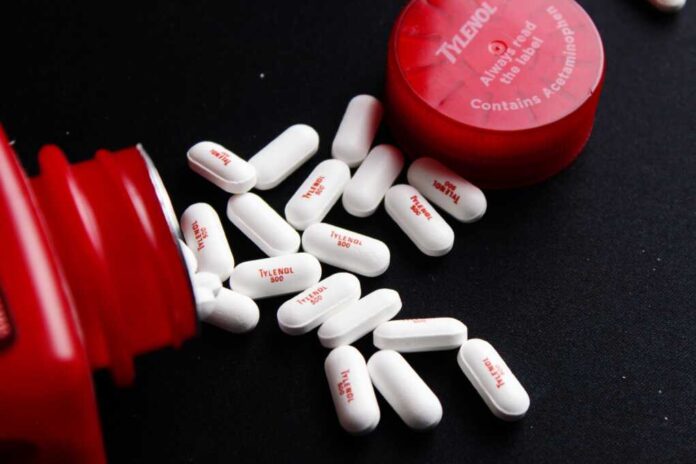
On October 26, 2025, former President Donald Trump posted controversial medical advice on his Truth Social account at 4:19 a.m. while in Malaysia. He advised pregnant women to avoid Tylenol (acetaminophen) unless absolutely necessary and suggested parents avoid giving it to children. Additionally, he recommended splitting childhood vaccines into separate doses. Trump’s claims, lacking scientific consensus, incorrectly linked Tylenol use during pregnancy to autism. This post immediately drew criticism from medical professionals and Tylenol’s parent company, Kenvue.
Medical experts and researchers were quick to respond, emphasizing that Trump’s statements contradict established medical guidance. Dr. Zeyan Liew from Yale School of Public Health stated, “We do not know yet for sure whether Tylenol causes autism… Further, whether other possible factors related to Tylenol use are driving these associations needs to be thoroughly evaluated.” Kenvue also issued a statement, stressing the safety of Tylenol use during pregnancy and expressing concern over the health risks posed by misinformation.
Trump on Social
Time stamp 4:19pmET 10/26/25 https://t.co/XoFwtrgf8N
👉🏼https://t.co/BFKGWGi80e pic.twitter.com/kgaT84UcCS— We Have It All (@WeAreWoke1776_3) October 27, 2025
Background and Historical Context
Trump has a history of making controversial statements about medical science, including skepticism about vaccines and claims of links between medications and developmental disorders. The myth linking vaccines and autism, debunked by scientific studies since the late 1990s, persists in some circles. Tylenol is widely recommended as a safe pain reliever during pregnancy, with ongoing research finding no conclusive evidence of a link to autism. The current situation reflects a larger pattern of misinformation amplified by high-profile figures.
This incident highlights the broader issue of misinformation spread by influential figures, particularly on social media platforms. It revives debunked theories, potentially leading to public confusion and undermining trust in medical authorities. The incident adds to ongoing debates about vaccine schedules and parental choice, further polarizing public health discussions.
Impact and Implications
The immediate impact of Trump’s post includes potential confusion among pregnant women and parents, increased healthcare inquiries, and possible changes in medication or vaccination behavior. Long-term implications could involve erosion of trust in medical authorities and reinforcement of anti-vaccine narratives. This misinformation has economic, social, and political impacts, affecting pharmaceutical sales, increasing polarization around health topics, and further politicizing public health issues.
Experts caution against making health decisions based on unverified claims. They emphasize that acetaminophen remains the safest pain relief option for pregnant women. The scientific consensus supports its use when necessary, warning that not using it could lead to more dangerous alternatives. This situation underscores the need for accurate public health messaging and the responsibility of public figures to avoid spreading misinformation.
Sources:
OK! Magazine, October 26, 2025: “Donald Trump Posts Deranged Medical Advice At 4 a.m. On Truth Social”
The Daily Beast