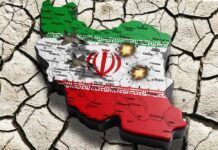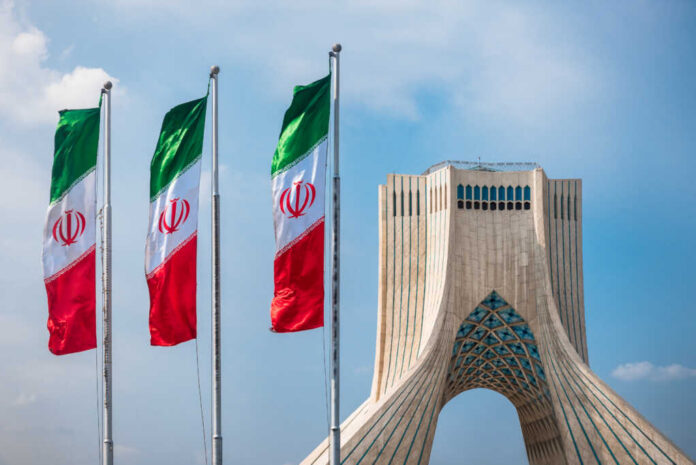
As Israel quietly backs the exiled son of Iran’s last shah while offering no proof of a formal pact, many fear a new elite-driven regime-change project is being built far from the eyes — and voices — of ordinary Iranians and Americans.
Story Snapshot
- Israel’s science minister has openly endorsed Reza Pahlavi and framed him as a trusted future leader for Iranians.
- Pahlavi calls for regime change, rejects nuclear talks, and presents Israel’s and America’s strikes as “liberation,” not foreign attacks.
- No document, treaty text, or official filing shows a signed Israel–Pahlavi agreement, keeping the “secret deal” claim unproven.
- Many Iranians and analysts warn foreign-imposed regime change rarely brings real democracy and can unleash chaos.
Israel’s Public Embrace of the Shah’s Son
Israeli officials have moved beyond quiet contact and now speak openly about backing Reza Pahlavi as a future leader for Iran. Former intelligence minister and now science minister Gila Gamliel has said that “a window of opportunity has opened to overthrow the regime” and that Israel supports Pahlavi because it sees Iranians “standing with him.” During Pahlavi’s 2023 visit, Gamliel greeted him at Ben Gurion Airport and joined meetings where he talked about Iran’s “Berlin Wall moment” and a possible transition away from the Islamic Republic.
Prime Minister Benjamin Netanyahu has also tied Israel’s military campaign against Iran’s regime to hopes for a different government in Tehran. Reporting on “Operation Rising Lion,” Israel’s air assault, notes that its name echoes Iran’s old lion-and-sun flag from the monarchy era. Netanyahu and Pahlavi have both framed current conflict as a path to “liberation” for Iranians rather than just punishment of the regime, blending military pressure with a clear political signal that Israel favors a post-Islamic Republic order friendly to Jerusalem.
Pahlavi’s Regime-Change Message and Transition Plans
Reza Pahlavi himself has pushed hard for foreign backing to topple Iran’s rulers. In a televised briefing in Paris just before a ceasefire between Israel and Iran, he urged the United States not to give the Islamic Republic any “lifeline” through renewed nuclear talks and said the regime was on the brink of collapse. He called on ordinary Iranians to use the moment created by war to flood the streets and urged military and security forces to defect, describing events as “our Berlin Wall moment” and a chance to remake the state.
Pahlavi combines this call with a detailed plan for what comes next. Supporters highlight a “100-day” transition blueprint that promises a secular, democratic system and a constitutional assembly to draft a new charter. He speaks often about Iranians “choosing their own leaders” at the ballot box and says his goal is to build a process in which citizens propose a new system and then ratify it by referendum. At the same time, critics point to parts of his Emergency Booklet that concentrate power in a secret council during the transition, warning this could sideline real democracy if not checked.
Israel Ties and the Unproven ‘Secret Agreement’ Claim
Pahlavi’s close relationship with Israel is not hidden. He visited Israel in 2023, prayed at the Western Wall, and said he hoped to restore the “historic friendship” that existed under his father’s rule. He has argued that Iranians are “absolutely” ready for normal relations with Israel and that regime change would allow the two countries to become strategic partners again. These public gestures, plus joint messaging with Netanyahu, make many in the region see a clear political alignment between Israel and the exiled prince.
Yet despite strong public signals, there is still no hard proof that Israel and Pahlavi have signed a formal agreement to prepare for the regime’s fall. The claim of a written pact comes mainly from partisan outlets and is not backed by any treaty text, government filing, or official press release from Israeli ministries or Pahlavi’s office. Major Israeli and international outlets that cover his visits and statements discuss political support and shared goals but do not present a document, date, or named signatories. That silence keeps talk of a “signed agreement” in the realm of rumor rather than established fact.
Iranian Backlash and the Risk of Foreign-Imposed Change
Inside and outside Iran, many critics argue that Pahlavi’s open support for Israel’s actions has badly damaged his standing. An Al Jazeera report describes how he justified Israel’s war on Iran and treated it as a political “opportunity,” which led opponents to call him an “Israel-appointed” ruler and a symbol of foreign meddling. Protests against him in Berlin and other cities, including hostile questions and even a tomato sauce attack, show how some activists see his stance as crossing a red line on national dignity and civilian safety.
We, as Iranian American grassroots activists advocating for a free, secular, and democratic Iran, had a meeting with the office of Congressman @RepStephenLynch
. In our meeting we discussed :
🔹 Any agreement with the regime is a waste of time. It only empowers the regime and…
— Roya _ Americans By Choice (@RoyaUSAByChoice) July 10, 2026
Beyond Pahlavi himself, scholars warn that foreign-imposed regime change almost never delivers the democracy or stability its planners promise. Research from Harvard’s Belfer Center and the Cato Institute finds that states where outside powers force out a government see little or no democratic improvement and often fall into civil war or deeper authoritarian rule. These studies stress a basic problem: leaders brought in with foreign help answer to outside interests, not to the people they rule. For many Americans and Iranians who already distrust global elites and secret deals, that pattern is a serious warning.
Sources:
iranintl.com, jpost.com, en.wikipedia.org, newarab.com, youtube.com, blogs.timesofisrael.com, facebook.com, europe-solidaire.org, haaretz.com, meforum.org, belfercenter.org