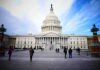
As America turns 250, nearly half the country now identifies as independent, yet their pride in being American has quietly fallen to the lowest level Gallup has ever recorded.
Story Snapshot
- Gallup finds only 28% of political independents are “extremely proud” to be American, a record low.
- Republicans are far more intensely proud than independents and Democrats, revealing a 42‑point “patriotism gap.”
- Independents’ overall pride has slid for two decades as more Americans lose faith in both parties and the system itself.
- Media and politicians on both sides are using the numbers to score points, while many citizens simply feel the country has drifted from its founding values.
What the New Poll Really Shows About Independents
Gallup’s latest national survey, taken just before America’s 250th birthday, shows a sharp drop in strong patriotic feeling across the country. Only 33% of adults say they are “extremely proud” to be American, the lowest level since Gallup began tracking pride in 2001. Within that, independents stand out: just **28%** report extreme pride, compared with **70% of Republicans** and **14% of Democrats**, setting new lows for both independents and Democrats. When you include people who are “very proud,” independents reach 51%, but that still marks a record low for them.
Gallup also reports that 53% of independents were extremely or very proud in 2025, meaning their overall high pride fell seven points in a single year. Their decline did not happen overnight. Gallup’s trend shows independent pride dropping below 80% in 2005, below 70% in 2019, and now below 60% in 2026. At the same time, the share of Americans who call themselves political independents reached a record **45%** in 2025, surpassing past peaks. So more people are breaking with both parties, yet fewer of those independents feel deeply proud of the country they live in.
How Patriotism Became Another Front in the Party Wars
For most of the last 25 years, Republicans have reported far higher levels of national pride than Democrats or independents. Even when Republican pride dipped during President Joe Biden’s time in office, Republicans stayed the group most likely to describe themselves as extremely proud. Under President Donald Trump’s second term, that gap has grown even wider. Gallup now finds a 56‑point difference between Republicans and Democrats on extreme pride and a 42‑point gap between Republicans and independents. Analysts note that patriotism has increasingly become a marker of party identity: supporting the country is often framed as backing one side’s vision of America rather than a shared set of values.
Media coverage tends to highlight this divide instead of digging into why millions feel less proud. National outlets like U.S. News and the Associated Press describe a “patriotism gap” and stress the sharp split between Republicans and non‑Republicans. Conservative voices use the numbers to claim Democrats and independents lack love for America. Progressive commentators argue that “America First” rhetoric ties patriotism to culture wars and ignores real problems like inequality, racial injustice, and the high cost of living. In both cases, polls become weapons in partisan fights, while many ordinary Americans just feel the system is failing them.
Why So Many Independents Feel Let Down by Their Country
Political independents are not one group. Some lean Republican or Democrat; others feel shut out by both parties. But the data suggest a shared mood: frustration with government and doubt that leaders on either side are listening. As national pride has fallen, Gallup and other polls show growing pessimism about America’s direction and concern that the nation has strayed from the ideals of the Declaration of Independence. Many respondents say the Founders would be disappointed by today’s political system and social climate. For independents, who already reject strict party labels, that sense of disappointment can easily slide into weaker patriotic feeling.
Independents watch the same problems as everyone else: rising prices, shaky trust in elections, endless fights over immigration, culture, and energy policy. They see both parties blame each other while government rarely fixes the basics—safe streets, good schools, fair opportunity. Some older conservatives feel betrayed by what they call “woke” agendas, globalism, and runaway spending. Many older liberals feel betrayed by harsh immigration crackdowns, cuts to social support, and a growing gap between rich and poor. On both sides, people increasingly believe the country is run by elites who protect their power first. Independents often form where those frustrations meet.
Generational Change and the Quiet Erosion of Civic Pride
Gallup’s earlier work shows that younger Americans, especially Generation Z and millennials, are less proud of their country than older generations. Civic education debates and online echo chambers have made it harder to build a shared story about what America stands for. When younger voters choose to be independent instead of joining a party, their lower pride is sometimes blamed on their political label rather than their age and life experience. That can mislead the public into thinking independence itself causes low patriotism, when the deeper driver may be generational change layered on top of institutional distrust.
𝐆𝐀𝐋𝐋𝐔𝐏: 𝐀𝐌𝐄𝐑𝐈𝐂𝐀𝐍 𝐏𝐑𝐈𝐃𝐄 𝐇𝐈𝐓𝐒 𝐐𝐔𝐀𝐑𝐓𝐄𝐑-𝐂𝐄𝐍𝐓𝐔𝐑𝐘 𝐋𝐎𝐖 𝐎𝐅 𝟑𝟑% 𝐀𝐇𝐄𝐀𝐃 𝐎𝐅 𝐓𝐇𝐄 𝟐𝟓𝟎𝐓𝐇
Just months before the nation's 250th birthday, 𝐆𝐚𝐥𝐥𝐮𝐩 reports that only 𝟑𝟑% of Americans now say they're 𝘦𝘹𝘵𝘳𝘦𝘮𝘦𝘭𝘺 𝘱𝘳𝘰𝘶𝘥 to… pic.twitter.com/8WhtEiUvP2
— M.A. Rothman (@MichaelARothman) July 9, 2026
Another factor is how patriotism is displayed in public life. The Trump administration’s “Freedom 250” events—military flyovers, big rallies, and pageantry—put patriotic symbols on center stage. Some Americans love this and feel it honors the nation’s heritage. Others see it as political theater that wraps a party message in the flag. Independents who already feel alienated can react by pulling back from intense expressions of pride, not because they hate the country, but because they dislike seeing love of country used as a partisan test.
Sources:
usnews.com, news.gallup.com, ap.org, san.com, reddit.com, cs.appstate.edu