When NATO leaders quietly pledged to pour 5% of their economies into defense by 2035, they handed President Trump what even some critics call a genuine win—while also locking taxpayers on both sides of the Atlantic into a massive, open‑ended bill.
Story Snapshot
- NATO leaders agreed in The Hague to a new pledge to spend 5% of national output on defense and security by 2035, far above the old 2% goal.
- Trump is calling it a “historic” victory and claims there was “tremendous love in the room,” while NATO’s own leader has praised it as his biggest foreign policy achievement.
- Experts warn the deal is non‑binding, hugely expensive, includes loosely defined “security” spending, and already has at least one formal exception.
- Both conservatives and liberals may see the pledge as proof that distant elites can make trillion‑dollar promises today that taxpayers and future soldiers must somehow pay for tomorrow.
What NATO actually agreed to in The Hague
At the 2025 summit in The Hague, leaders of the North Atlantic Treaty Organization (NATO) signed on to a new target: spend 5% of gross domestic product each year on defense and security by 2035. The formal summit statement says allies “commit to invest 5% of GDP annually on core defence requirements as well as defence‑ and security‑related spending by 2035.” This replaces the long‑standing 2% goal that many countries struggled to meet even after Russia’s invasion of Ukraine.
The 5% pledge is split into two main parts. NATO documents describe 3.5% as “core defence requirements” such as troops, weapons, and equipment, and up to 1.5% for broader “defence‑ and security‑related” items. That second bucket can include infrastructure like roads and ports, cyber defenses, and civil preparedness. Critics point out that this broader category is harder to measure and easier for politicians to stretch when they need to claim success.
Why Trump is calling it a ‘big win’ and ‘tremendous love’
President Trump has spent years attacking NATO allies for “free‑riding” on the United States, arguing that American taxpayers carried too much of the cost. At The Hague, he declared the 5% deal a “monumental victory for the United States” and “a significant win for Europe and indeed Western civilization,” saying the allies would finally “take on greater responsibility.” The Atlantic Council, which is not exactly a MAGA booster club, admitted the pledge was “a clear success for US President Donald Trump and for the Alliance as a whole.”
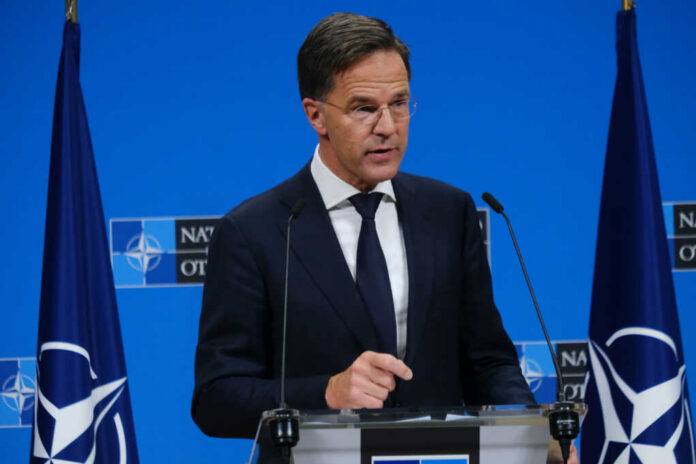
NATO’s own secretary general, Mark Rutte, has gone even further. In a BBC interview, he called the 5% pledge Trump’s “greatest foreign policy achievement” and said NATO is now “more robust than it has ever been.” That kind of praise from an establishment figure is unusual and helps explain why Trump describes the summit as friendly and claims there was “tremendous love” in the room. For many conservative voters who long felt Europe was gaming the system, seeing European leaders openly thank Trump feels like long‑delayed validation.
The fine print: non‑binding targets and one early exception
Beneath the big headline number, the deal looks less solid. NATO’s official description makes clear this is a spending benchmark, not a law or treaty with direct penalties. Experts at the Stockholm International Peace Research Institute describe the 5% figure as “above all, a political statement” meant to signal unity and scare adversaries, not a firm operational guarantee. That should matter to anyone who has watched past summit promises fade once cameras leave and domestic budgets tighten.
Even before the ink dried, there were cracks. Reporting on the summit confirms that Spain received an exception after pushing back, meaning not all 32 members are actually on the hook for the full 5%. That undercuts Trump’s simple story of everyone falling in line out of pure loyalty. It also echoes a long pattern: previous 2% goals were hailed as historic, yet by 2025 only a portion of NATO countries had truly met or sustained them. Old habits in big bureaucracies die hard, even when leaders sign bold declarations.
The enormous price tag and who ultimately pays
For everyday citizens, the key question is money. Independent analysts estimate that getting to 5% could require trillions of dollars in extra annual spending across the alliance by 2035. NATO’s own numbers show European allies and Canada already boosted defense outlays by nearly 20% in 2025 alone compared with 2024. That is before most countries even begin the steep climb needed to hit 5% of their economies. Those funds must come from somewhere: higher taxes, more debt, or cuts to other programs.
In several European countries, officials are already warning that higher military budgets will mean fewer resources for schools, health care, and pensions. That should ring a bell for American readers too. Conservatives worry about endless deficits and a growing national debt. Liberals worry that more money for weapons means less for social programs and support for the poor. Both sides can see how a number negotiated in a secure conference room in The Hague may ripple into real trade‑offs in their local communities over the next decade.
Is this loyalty to America—or hedging against it?
Many commentators agree Trump won the argument on the surface but say the deeper story is more complicated. Analysts at the Atlantic Council write that allies “sought to hedge against an unpredictable US president” by both limiting what else the summit tried to do and then promising this 5% spending surge. In their view, European leaders increased their defense commitments partly to protect themselves in case Washington later pulls back, not only to please Trump or show affection for America.
NATO Summit in Ankara
🤝 President Trump met Turkish President Erdoğan at the NATO summit in Ankara, pressing allies to follow through on defense spending pledges made a year ago — as the Iran crisis casts a shadow over the talks.#NATO #NATOSummit #Trump #Erdogan #Turkey…— Neelam naz (@neelam8130) July 8, 2026
This tension runs through the whole NATO debate. On one hand, the 5% pledge answers a long‑standing American demand that rich allies carry more weight. On the other hand, the promise is non‑binding, includes fuzzy categories of “security” spending, and already has at least one opt‑out. That mix fits a pattern many Americans recognize across issues: leaders from both parties stand together for big televised moments, make sweeping promises, and then leave regular people to deal with the bills and broken pieces years later.
Sources:
redstate.com, youtube.com, nato.int, nato-pa.int, iep.unibocconi.eu, war.gov, datavisualizations.heritage.org