President Trump’s administration is using a rarely invoked legal provision to justify sweeping new tariffs based on a purported economic crisis that experts across the political spectrum say simply doesn’t exist.
Story Snapshot
- Trump implemented 10% global tariffs under Section 122 after Supreme Court struck down emergency-power tariffs on February 20, 2026
- Administration claims “fundamental international payment problems” despite economists finding no evidence of crisis-level trade imbalances
- New tariffs expected to generate $22.3 billion in revenue while raising consumer prices, including an 11.4% increase on vehicles
- Section 122 authority expires July 24, 2026, but administration threatens escalation to 15% rates and additional sector-specific duties
Supreme Court Ruling Forces Legal Pivot
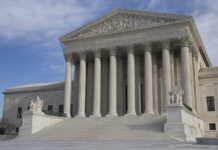
On February 20, 2026, the Supreme Court invalidated Trump’s previous tariffs imposed under the International Emergency Economic Powers Act (IEEPA) in Learning Resources, Inc. v. Trump. The Court determined these measures lacked legitimate emergency justification. Within hours, the administration announced a replacement strategy using Section 122 of the Trade Act of 1974, a provision last deployed during the Nixon administration’s 1970s import surcharge. This rapid pivot demonstrates the administration’s commitment to maintaining protective tariffs regardless of judicial constraints on executive power.
Questionable Crisis Justification Raises Constitutional Concerns
The White House claims Section 122 tariffs address “fundamental international payment problems,” yet this assertion faces widespread skepticism. While the U.S. trade deficit reached approximately $1.2 trillion in 2025, economists explain these deficits result from strong consumer demand and dollar strength, not the acute payment imbalances Section 122 was designed to remedy. The administration appears to be stretching statutory language beyond its intended purpose to circumvent the Supreme Court’s February ruling. This pattern of finding legal workarounds when courts restrict executive authority should concern anyone who values constitutional limits on government power.
Economic Impact Hits American Families
The 10% global tariff took effect February 24, 2026, increasing the average tariff rate by 3.1 percentage points. J.P. Morgan analysis projects vehicle prices will surge 11.4% as automakers pass costs to consumers. Steel and aluminum now face 25% duties with no exemptions for traditional allies, breaking from previous arrangements with EU and Japanese partners. Additional targeted tariffs stack on top of these baseline rates, with China facing effective rates up to 54%. These costs ultimately land on American consumers and businesses, functioning as a hidden tax that disproportionately affects working families already struggling with inflation from years of reckless government spending.
Temporary Authority With Permanent Consequences
Section 122 imposes strict limitations: tariffs cannot exceed 15% and must expire within 150 days unless Congress approves extensions. The current measures terminate July 24, 2026, though Trump threatened increasing rates to 15% via Truth Social on February 21. Legal experts suggest the administration views Section 122 as a bridge to more permanent Section 301 tariffs, which allow product-specific duties without time limits. The Supreme Court finalized its decision on March 17, 2026, triggering potential refund obligations for previously collected IEEPA tariffs. This legal uncertainty creates chaos for businesses trying to plan operations while navigating constantly shifting trade rules.
Strategic Trade Policy or Government Overreach?
Supporters argue these tariffs protect American manufacturing jobs and provide negotiating leverage with trading partners who maintain unfair trade practices. The administration successfully negotiated bilateral agreements with countries like Bangladesh and continues using tariff threats to pressure Mexico, Canada, and China. However, the pattern of invoking dubious statutory authorities after courts reject previous justifications raises serious questions about executive overreach. Americans deserve honest government that respects both constitutional separation of powers and judicial oversight. When administrations of any party manufacture crises to justify expanding executive authority, they threaten the foundational principle of limited government that protects individual liberty.
Sources:
Trump 2.0 Tariff Tracker – Trade Compliance Resource Hub
Trump Administration Imposes 10% Section 122 Tariff Plan to Replace IEEPA Tariffs – White & Case
US Tariffs – J.P. Morgan Insights
Tracking Trump Tariffs – Tax Policy Center
Presidential Tariff Actions – U.S. Trade Representative
Supreme Court’s Tariff Decision: What’s Next? – Thomson Reuters
Court of International Trade Orders Nationwide Tariff Refunds – Holland & Knight