The Treasury Department slapped sanctions on over 30 individuals, entities, and vessels caught red-handed financing Iran’s ballistic missile programs and terrorism networks through illicit oil sales—exposing how the regime prioritizes weapons over its own suffering citizens.
Story Snapshot
- Treasury sanctions over 30 targets involved in Iran’s shadow fleet oil smuggling and weapons procurement networks
- Networks in Iran, Turkey, and UAE supplied precursor chemicals and machinery to IRGC and Iranian defense ministry for missile and drone programs
- Action marks fourth round of nonproliferation sanctions under Trump’s “maximum pressure” campaign, following 875+ designations in 2025
- Treasury Secretary Bessent declares regime prioritizes weapons capabilities over Iranian people’s welfare
Trump Administration Intensifies Economic Warfare Against Tehran
The Office of Foreign Assets Control designated more than 30 individuals, entities, and vessels operating Iran’s shadow fleet and procurement networks supporting the Islamic Revolutionary Guard Corps and Ministry of Defense. Treasury Secretary Scott Bessent emphasized the action targets financial systems enabling weapons development and terrorism rather than ordinary Iranians. The sanctions build upon National Security Presidential Memorandum 2 and follow September 2025’s UN sanctions reimposition after Iran’s nuclear non-compliance. This marks the administration’s continued commitment to choking off revenue streams funding regional destabilization.
Shadow Fleet Operations Fund Weapons Development
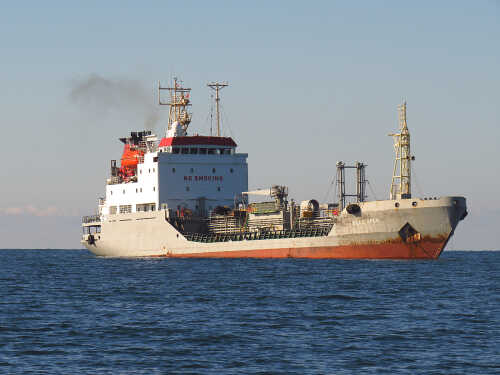
Iran’s shadow fleet evades international oil sanctions by using deceptive shipping practices to generate billions for weapons programs. The designated vessels transported illicit petroleum while networks in Turkey and the United Arab Emirates procured precursor chemicals and machinery for ballistic missiles, advanced conventional weapons, and unmanned aerial vehicles. Nine specific individuals and entities faced sanctions for supplying materials to Iran’s Defense Industries Organization, which coordinates procurement for weapons manufacturing. These operations exploit global financial systems and third-party countries to circumvent existing restrictions, demonstrating the regime’s sophisticated evasion tactics.
Decades of Sanctions Meet Renewed Enforcement
U.S. sanctions against Iran trace back to 1979 following the embassy seizure, evolving through executive orders targeting weapons proliferation and specific Iranian sectors. The 2017 Countering America’s Adversaries Through Sanctions Act established comprehensive penalties for entities supporting Iran’s ballistic missiles, weapons of mass destruction programs, and IRGC activities. Executive Order 13382 targets WMD proliferators while E.O. 13949 addresses conventional arms transfers. The current action leverages these established frameworks while adding targeted pressure on procurement networks previously operating beneath enforcement thresholds. This represents a strategic escalation beyond vessel-focused sanctions to directly disrupt supply chains.
Regime Priorities Expose Government Accountability Crisis
Treasury officials noted Iran channels oil revenues toward military capabilities and regional proxy forces rather than addressing domestic economic hardships affecting ordinary citizens. The regime’s allocation decisions highlight a familiar pattern where government elites prioritize power projection over public welfare—a concern resonating with Americans frustrated by their own government’s misplaced priorities. While the Iranian people struggle under economic pressures, their leaders funnel resources into ballistic missiles and drones proliferated to militant groups across the Middle East. Secretary Bessent’s statement acknowledging this reality cuts through diplomatic niceties to expose how authoritarian regimes consistently sacrifice their populations for political ambitions.
Enforcement Mechanisms Target Global Networks
The sanctions block all U.S.-based assets of designated parties and prohibit American persons from conducting transactions with them. OFAC’s 50 percent ownership rule extends these restrictions to entities majority-owned by sanctioned individuals or organizations, creating cascading compliance obligations throughout affiliated networks. Financial institutions worldwide face potential secondary sanctions for processing transactions involving designated parties, pressuring international banks to sever ties with Iran’s illicit trade infrastructure. The combination of asset freezes and transaction prohibitions aims to isolate targeted networks from the global financial system, though enforcement effectiveness depends on international cooperation and compliance monitoring.
Sources:
Treasury Targets Iran’s Shadow Fleet, Networks Supplying Ballistic Missile and ACW Programs
Treasury sanctions 30 individuals, entities for enabling illicit Iranian petroleum sales
U.S. announces sanctions against companies, people tied to Iranian weapons
US Treasury Sanctions Over 30 Entities Supporting Iran’s Weapons
United States sanctions against Iran