China’s record-buying of U.S. ethane after the Iran war choked Middle East supply lines is a reminder that American energy dominance can quickly become geopolitical leverage.
Quick Take
- China is projected to import a record 800,000 tons of U.S. ethane in April 2026—about 60% above the monthly average—after war-related disruptions hit naphtha and LPG supplies.
- The Iran war and the effective closure of the Strait of Hormuz have rattled Asia’s petrochemical feedstock system, with China and Japan forced to scramble for alternatives.
- Analysts cited in reporting say ethane-based margins for producing ethylene have been dramatically stronger than naphtha, accelerating the shift toward U.S.-sourced feedstock.
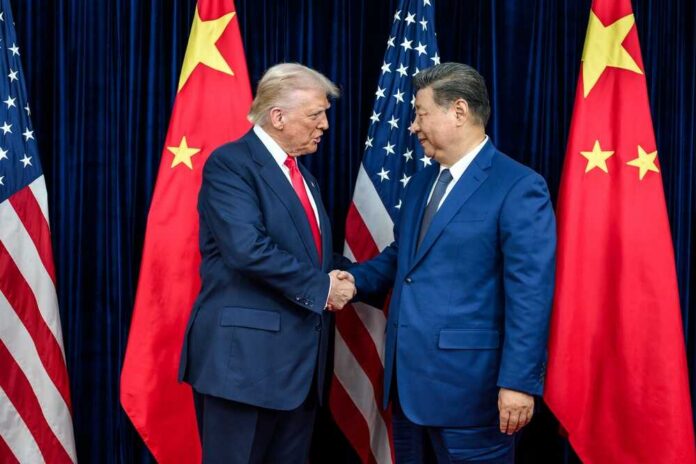
- The surge intersects with broader U.S.-China energy diplomacy ahead of President Trump’s anticipated Beijing trip in mid-May, where energy security is expected to be on the agenda.
Hormuz disruption forces a fast pivot to U.S. ethane
China’s petrochemical sector is projected to import about 800,000 tons of U.S. ethane in April 2026, a record level driven by war-related supply shocks that reduced access to Persian Gulf naphtha and LPG. Reporting indicates the Iran war began in late February and led to an effective closure of the Strait of Hormuz, a key chokepoint for energy and feedstock shipments into Asia. Chinese producers have responded by switching to ethane where possible.
Pre-war trade patterns show why the shock landed so hard. In February 2026, Persian Gulf nations supplied more than half of China’s naphtha imports and about 40% of its LPG purchases, according to figures cited in multiple reports. When those flows tightened, the search for substitute feedstock favored ethane because China relies heavily on the United States for supplies. That dependence can be a stabilizer during disruptions—but it also concentrates risk in a single supplier relationship.
Why ethane is suddenly “worth it” for Chinese producers
Ethane is a natural gas liquid used to produce ethylene, a core building block for plastics and industrial chemicals. Analysts quoted in coverage say ethane has looked especially attractive because it offers relatively stable supply and lower costs compared with naphtha or LPG when Middle East routes are disrupted. One report highlighted a striking profitability gap: ethylene margins from ethane were described as far higher than those from naphtha around mid-April, reinforcing the shift.
New and flexible capacity inside China is also a major reason the pivot is feasible. Reporting points to facilities such as Wanhua Chemical Group’s newer ethane unit and the Sinopec-Ineos petrochemical venture in Tianjin, which runs a multi-feed cracker capable of processing different inputs. That kind of infrastructure matters: when one feedstock is scarce or overpriced, a plant that can switch inputs can keep running, preserve market share, and protect downstream manufacturing supply chains.
Asia’s petrochemical supply chain is a pressure point of modern globalism
Energy headlines usually focus on crude oil, but the International Energy Agency has emphasized that petrochemical feedstocks can be among the most immediate casualties of a geopolitical shock. Multiple reports describe Asian supply chains as strained as naphtha, LPG, and related cargoes are rerouted or delayed. Estimates cited in coverage indicate a large share of Asia’s naphtha traditionally transits Hormuz, underscoring how a single maritime chokepoint can ripple into prices and factory operating rates.
What this means for U.S. leverage—and for Americans watching prices
The U.S. benefit is straightforward: when American producers can export more ethane at scale, U.S. energy production supports jobs, shipping demand, and trade leverage. In a second Trump term with Republicans controlling Congress, the political argument for maintaining robust domestic oil-and-gas production gets an external validation—global markets turn to the U.S. when instability hits. Still, the same global interdependence that helps exporters can feed broader inflationary pressure if petrochemical inputs rise worldwide.
Diplomatically, timing matters. Reports note President Trump’s anticipated mid-May visit to Beijing, with U.S. energy likely to be part of the discussion as China seeks dependable supply amid ongoing disruption. None of the cited reporting suggests a formal deal is already in place, and the import figure is a projection rather than a final customs tally. Even so, the episode highlights a basic reality many voters across the spectrum already feel: government decisions and geopolitical conflict routinely collide with everyday economic life.
Sources:
China’s record US ethane imports a response to war-induced supply shocks
Iran war deepens China’s dependence on US for niche gas amid supply shocks
Iran war deepens China’s dependence on US for niche gas amid supply shocks
China’s April ethane imports from the U.S. set to hit all-time high
Iran war deepens China’s dependence on US for niche gas