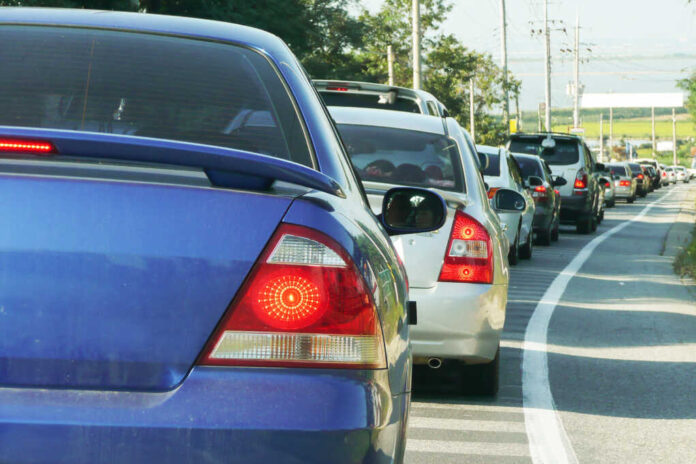
During this Thanksgiving travel season, millions of Americans are being closely monitored by federal immigration agencies through sophisticated surveillance technology.
Story Highlights
- ICE and U.S. Border Patrol utilize license plate recognition (LPR) cameras extensively during the Thanksgiving holiday.
- Surveillance raises civil liberties and privacy concerns for millions of travelers.
- The operation connects domestic surveillance with immigration enforcement.
- Peak travel periods present unprecedented monitoring opportunities.
Surveillance Operations During Thanksgiving
Immigration and Customs Enforcement (ICE) and U.S. Border Patrol are conducting extensive surveillance operations using license plate recognition (LPR) cameras across the United States. This initiative is particularly active during the Thanksgiving holiday, one of the busiest travel times of the year, affecting an estimated 81.8 million travelers. The use of such technology has sparked significant debate over privacy and civil rights concerns.
How ICE Is Watching Your Thanksgiving Drive.
ICE and Border Patrol are using license plate cameras for extensive domestic surveillance. https://t.co/WhUsmmfzi8 via @reason— Boomertarian Norm (@BoomertarianN) November 27, 2025
The deployment of LPR technology during a national holiday raises questions about the scope and legality of domestic surveillance practices. As millions of Americans take to the roads to visit family and friends, the potential for increased government monitoring has become a concerning reality. This intersection of immigration enforcement and domestic surveillance highlights the growing capabilities of federal agencies to track citizens within the interior of the country.
Implications for Travelers and Civil Liberties
The widespread use of surveillance technology by ICE and Border Patrol during Thanksgiving not only affects the immigrant community but also poses broader implications for all Americans. While the agencies claim these measures are vital for national security, critics argue that such practices infringe on constitutional rights and privacy. The normalization of such surveillance could lead to a chilling effect on travel and freedom of movement.
The Thanksgiving travel period, as projected by the American Automobile Association (AAA), is an opportunity for surveillance agencies to monitor vast numbers of people on the move. With the integration of data analytics, these technologies can track vehicle movements over extensive distances, potentially leading to increased immigration enforcement actions.
Long-term Consequences and Public Awareness
The long-term implications of these surveillance practices involve the potential erosion of civil liberties and privacy rights. As federal agencies expand their monitoring infrastructure, questions arise about the boundaries of their authority and the transparency of their operations. Public awareness and discourse around these issues are crucial as they touch upon the fundamental principles of freedom and privacy in the United States.
As this story unfolds, it is vital for American citizens to remain informed and vigilant about the ways in which government surveillance might impact their lives. The balance between security and personal freedoms continues to be a contentious issue, and one that requires careful consideration and oversight.
Sources:
AAA Thanksgiving Travel Forecast 2025
ICE Watching Your Thanksgiving Drive