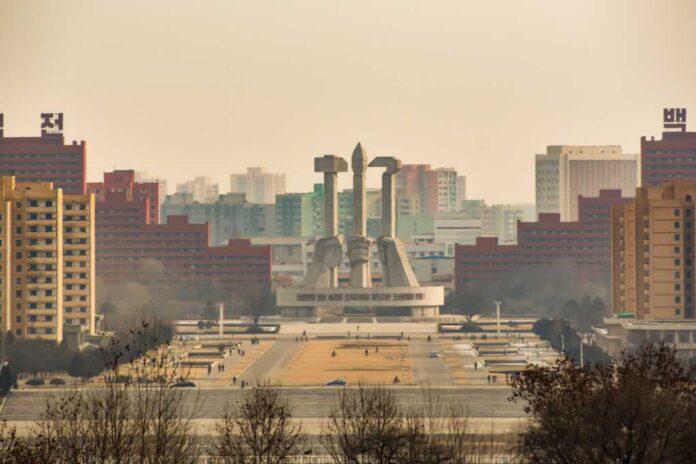
A UK travel agency’s plan to host a golf tournament in North Korea raises questions about the motives behind this unexpected venture.
Story Highlights
- Lupine Travel plans to host a golf tournament in North Korea in 2026.
- The event excludes U.S. and South Korean citizens, raising political eyebrows.
- North Korea aims to revive tourism for economic benefit despite sanctions.
- Critics question the feasibility and implications of such a sporting event.
North Korea’s Unlikely Golf Revival
The British travel agency Lupine Travel is attempting to revive the North Korean Amateur Open, a golf tournament last held a decade ago. The event is scheduled to take place in 2026 at the Pyongyang Golf Complex, North Korea’s only golf course meeting international standards. This endeavor is being marketed to amateur golfers worldwide, with the notable exclusion of U.S. and South Korean participants. Critics view this as an effort by North Korea to attract foreign currency through tourism while circumventing international sanctions.
Lupine Travel, known for its niche adventure tours, sees this as an opportunity to draw “frontier” travelers eager for unique experiences. The agency’s promotional efforts highlight the exclusivity of playing at one of the world’s most isolated golf courses. However, the practicality of hosting a sports event in a country with a history of political tensions and limited tourism infrastructure remains under scrutiny.
A British tour agency plans to host an international golf event in #NorthKorea this year, the amateur event’s website shows.https://t.co/adqIYT7nWF
— Al Arabiya English (@AlArabiya_Eng) January 27, 2026
The Political Underpinnings and Motivations
North Korea’s decision to allow such an event aligns with its strategy to boost tourism as a means of economic survival under stringent sanctions. By targeting European and other non-sanctioned markets, North Korea hopes to project an image of stability and openness. This move also reflects the regime’s ongoing efforts to attract foreign investment and improve its crumbling economy. However, the exclusion of U.S. and South Korean citizens underscores the deeply entrenched geopolitical tensions that persist.
Despite the promotional optimism, there is no confirmation yet that North Korean authorities have granted the necessary approvals for the event. The tournament’s previous suspension due to course renovations and border closures during the COVID-19 pandemic also casts doubt on the feasibility of the 2026 plans. Observers remain cautious, noting the potential for unexpected political developments that could derail the event.
Economic and Social Implications
The potential success of the North Korean Amateur Open could pave the way for similar niche tourism initiatives, offering a unique blend of sports and adventure travel. Economically, it presents a modest opportunity to inject much-needed foreign currency into North Korea’s isolated economy. Socially, such events could gradually alter perceptions, positioning North Korea as a more accessible destination for thrill-seeking travelers.
However, the broader implications of engaging with North Korea through tourism remain contentious. Critics argue that such endeavors could inadvertently support the regime, undermining international efforts to pressure North Korea into abandoning its nuclear ambitions. As the situation unfolds, stakeholders will be keenly observing the developments surrounding this unconventional golf tournament.
Sources:
British Travel Agency Seeking to Restart International Amateur Golf Contest in North Korea
UK Tour Agency to Host Golf Tournament in North Korea
British Agency Seeks to Hold Intl Amateur Golf Contest in N Korea
North Korea: This Mind-Blowing Travel Twist Just Changed Everything