
A routine second-division soccer match in Spain turned fatal after a midfield collision led to the death of Tenerife forward Jesús de Miguel, shaking players and fans across the sport.
Story Highlights
- Jesús de Miguel died hours after an on-field collision during Tenerife’s match against FC Andorra.
- Goalkeeper Jesús Owono said these were the “most difficult days” of his life after the incident.
- The referee sent off Owono, and police opened an involuntary manslaughter inquiry.
- Reports describe cardiac arrest and later neurological decline; a precise medical cause is not yet public.
What Happened During The Match
On November 2, 2026, Tenerife played FC Andorra in Spain’s second division. Near midfield, Tenerife forward Jesús de Miguel contested a ball when FC Andorra goalkeeper Jesús Owono sprinted forward to clear. Owono collided with De Miguel’s chest during the challenge. De Miguel later suffered cardiac arrest and collapsed, according to reports. Medical staff treated him and transported him to a hospital. The match was abandoned soon after the emergency, during second-half stoppage time.
The referee showed Owono a red card for the collision. The call signaled that the challenge was outside acceptable play under the Laws of the Game. That on-field decision does not decide legal blame, but it did carry immediate sporting consequences during the match. Players from both sides appeared distraught. Fans watched in silence as medics worked on De Miguel on the field and then moved him for urgent care.
From Hospital Treatment To Tragic News
CD Tenerife announced the death of Jesús de Miguel the following morning. The club called it a “tragic death” and provided a precise time of announcement at 8:00 a.m. on November 3, local time. Reports in French and Spanish outlets said De Miguel had been resuscitated, moved to intensive care, and then suffered neurological worsening before he died. Those accounts linked the sequence to the earlier collision and cardiac arrest during and after the match.
Police in Spain opened an investigation into possible involuntary manslaughter, which is standard after a death tied to a public incident. An inquiry does not mean guilt. It means authorities are gathering facts about the play, the force and location of impact, and the medical chain of events. In many sports cases, investigators review video, talk to witnesses, and study medical records before making any decision.
Owono’s Statement And The Human Toll
Goalkeeper Jesús Owono addressed the tragedy days later in a statement through his club. He said these were the “most difficult days of my life” after the collision with De Miguel during the match. His words underscored the burden on athletes who are part of rare but devastating plays that lead to severe injury or death. Grief spread across Spanish football, as teams and fans shared condolences with De Miguel’s family and teammates.
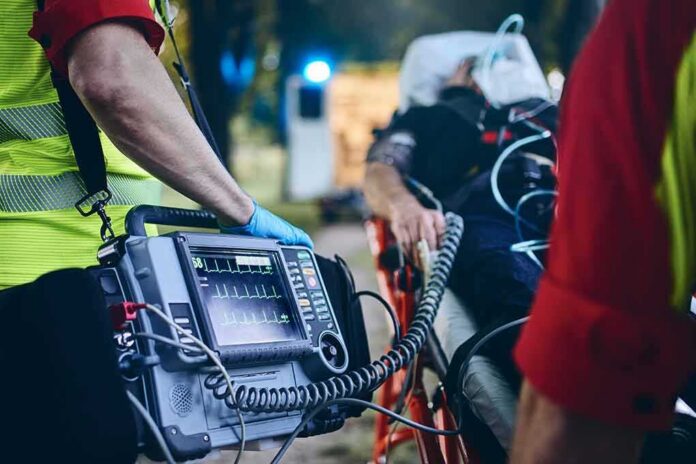
The public focus shifted from the score to the duty of care in sport. People asked how fast the medical team reached the player, what gear was on hand, and how well rehearsed the response was. In modern stadiums, trained staff, defibrillators, and clear routes to ambulances save lives. Those basics matter when seconds decide outcomes after a chest impact and cardiac arrest. Early treatment offers the best chance of survival in those cases.
Why This Case Draws Legal And Medical Scrutiny
This death sits at a difficult crossroads of rules, medicine, and law. The red card shows a referee judged the play to be sanctionable. But sports discipline is not a court verdict. Criminal or civil cases depend on evidence about intent, recklessness, and causation. Reports so far describe a chest strike, cardiac arrest, intensive care, and neurological decline. However, no public autopsy or final medical report has identified one exact medical mechanism at this time.
Fatal on-field collisions are very rare, even with millions of player-hours each year. Doctors note that a blunt hit to the chest at a precise time in the heartbeat can disrupt rhythm and trigger cardiac arrest. This phenomenon is known as commotio cordis. It is uncommon but deadly without quick response. That is why leagues push for rapid cardiopulmonary resuscitation and defibrillators at every venue. Survival rates rise with faster action and trained responders.
The Bigger Picture For Fans And Families
Sports should unite communities, not break them. Families trust leagues and clubs to put safety first and to tell the truth when tragedy strikes. Clear facts, fast medical care, and honest reviews help rebuild trust. Authorities will sort the legal and medical questions. For now, the established facts are stark: a hard collision, a cardiac arrest, a match abandoned, and a young player gone far too soon. The sport owes his family a full and careful accounting.
Sources:
insiderpaper.com, apnews.com, afp.com, nbcconnecticut.com, bbc.co.uk, the42.ie, euronews.com, theweek.in