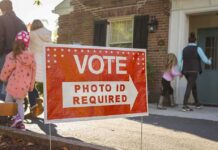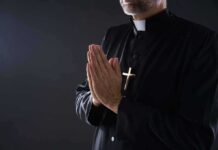

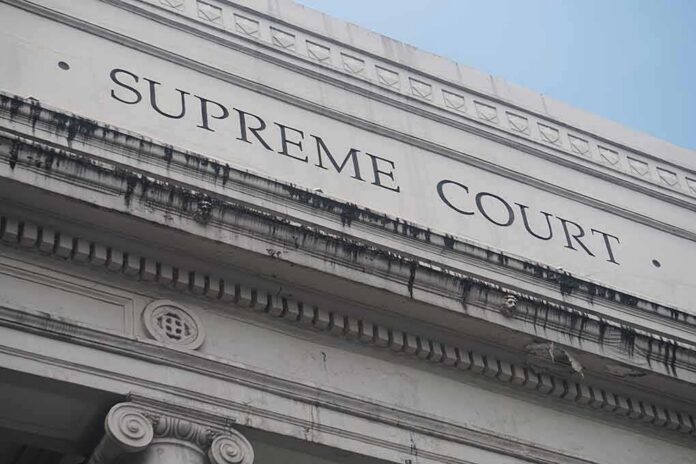
The Supreme Court will decide whether Colorado can deny Catholic preschools public funds unless they change faith-based admissions rules tied to sexual orientation and gender identity.
Story Highlights
- The Court accepted St. Mary and St. Bernadette parishes’ case challenging Colorado’s “equal opportunity” enrollment rule.
- Catholic preschools say they must drop faith-aligned admissions or lose universal preschool subsidies.
- Colorado argues its nondiscrimination terms apply to all providers and protect equal access.
- The ruling could reset how far states can condition public funds for religious schools.
What The Case Is About
St. Mary Catholic Parish and St. Bernadette Catholic Parish asked the Supreme Court to review Colorado’s universal preschool program rule. The rule requires any participating provider to enroll eligible children without excluding them for protected traits, including sexual orientation and gender identity. The parishes say complying would force them to change faith-based admissions tied to Catholic teaching, so they were shut out of funding if they kept those policies. The Court granted review from the Tenth Circuit.
The petitioners frame the issue under the Free Exercise Clause. They argue Colorado cannot demand they drop religious admissions standards as the price for equal access to a public benefit. They cite past Supreme Court cases rejecting blanket bans on religious participants in public programs, and say Colorado’s condition now targets religious conduct in practice, even if not in wording. Their merits brief was filed June 25, 2026, laying out this claim in detail.
What Colorado Says In Defense
Colorado officials defend the program as neutral and generally applicable. They say every provider, secular and religious, must follow the same nondiscrimination rule, which aims to ensure that all eligible families can access publicly funded preschool without fear of rejection. The Tenth Circuit agreed with the state. It held the rule is neutral, applies to everyone, and is rationally related to equal access, so it did not violate the Constitution.
Supporters of the state’s view add that religious schools remain free to teach their faith and design curricula. They only must treat enrollment equally if they choose to take public funds. An amicus brief argues the statute serves a compelling interest in equal educational opportunity and that the nondiscrimination requirement is narrowly tailored to that end. These filings stress the program is universal by design and seeks predictable, fair treatment for families statewide.
Why This Fight Matters Nationally
This dispute tests a newer line in church–state law. Past Supreme Court rulings barred states from excluding religious schools just because they are religious. The question now is whether states can attach conduct rules, like nondiscrimination terms, to the money and still include religious schools. The answer will shape how governments write conditions for vouchers, scholarships, and early education funds across the country.
🔴 Supreme Court to hear Catholic preschool ban from Colorado universal program
The Supreme Court hears St. Mary Catholic Parish v. Roy on Tuesday, weighing whether Colorado violated the Free Exercise Clause by excluding Catholic preschools from its universal preschool program… pic.twitter.com/BqUhCh1zb7
— NewsTongue (@NewsTongueX) November 2, 2026
The stakes reach beyond culture wars. Parents want real choices, predictable rules, and respect for conscience. Taxpayers want fair use of public dollars and programs that work the same for everyone. Both sides worry about power drifting from families to bureaucracies. If the Court narrows what states can require, religious providers may gain room to act on belief. If it upholds Colorado’s rule, states may set firmer access standards tied to civil rights and equal service.
What To Watch Next
Watch for how the Justices draw the line between religious status and religious conduct. Listen for questions on whether Colorado allows any comparable secular exceptions and how “universal” operates in practice. The record shown here does not quantify the number of affected families or dollars at stake, which could limit the factual backdrop the Court relies on. A clear ruling will guide states on writing program terms without sidelining faith-based providers or families.
Sources:
supreme.justia.com, supremecourt.gov, law.justia.com, justice.gov