
Iran’s Supreme Leader warned that any enemy threat will draw an immediate response “without geographic limits,” raising the risk of a wider fight as reports point to possible U.S. strikes after the midterms.
Story Highlights
- Iran’s top leader ordered forces to answer any threat with no geographic limits.
- Reports say U.S. allies were told to brace for possible strikes after Nov. 3.
- Wording expanded targets to U.S. and Israeli “physical and non-physical” assets.
- Officials also say no final U.S. decision has been made on new strikes.
What Iran Publicly Ordered Its Military To Do
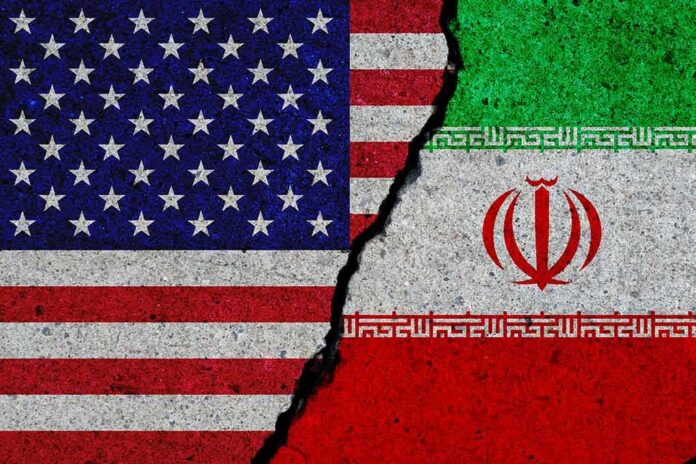
Iran’s Supreme Leader issued a public directive telling the armed forces to respond at once to “any kind and level of threat,” with no geographic limits on where that response could land. Reports said the order included updating target lists to reach U.S. and Israeli assets, including “physical and non-physical” ones, which suggests cyber or infrastructure targets as options. The message came through official channels, signaling intent to deter rivals and to rally Iran’s military and allies.
Iranian outlets framed the statement as an “immediate, effective” answer to future attacks, and some translations used “without geographic restriction,” showing small wording differences across reports. The directive did not include details like weapon types, target lists, or timing. That gap fits a known playbook: use broad warnings to shape enemy plans, without locking in how a response would look or when it might occur.
Why This Lands As U.S. Strike Reports Circulate
Regional and U.S. media reported that the Trump administration told allies to prepare for the possibility of renewed military action against Iran after the November 3 midterm elections, with scenarios that could begin as soon as November 4. Those briefings reportedly included warnings that Iran might hit energy facilities and other critical sites in return, a reminder that any clash could spread fast and hit global markets and daily life. The White House kept options open and declined to discuss sensitive plans.
President Trump has said he is weighing a deal with Tehran against renewed action, and that any strikes would come after the midterms, not before. Reporting also describes internal planning for several days of strikes aimed at missile, drone, energy, or nuclear targets, while stressing that no final decision has been made. That mix of signaling and hedging is common in crises. It alerts partners, pressures Iran, and tries to manage risk if talks stall.
How To Read The Threat: Deterrence Signal, Not A War Plan
The phrase “without geographic limits” is a deterrent signal. It warns that responses might reach beyond known fronts, including cyber or proxy attacks. But the statement does not prove Iran can hit everywhere it names, nor does it show orders for specific strikes. Open reports do not verify force movements or detailed preparations. That lack of public proof does not make the threat false; it just shows that leaders kept operational details out of view.
NEW: Iranian Supreme Leader Mojtaba Khamenei’s directed Iran’s three top military commanders to prepare to retaliate against US strikes by expanding Iran’s targeting bank, likely part of an Iranian effort to deter the United States and Israel from striking Iran. (1/2) #ISW…
— Hiro's gallery (@HiroGallery) October 31, 2026
Both sides are talking to shape behavior. Iran’s broad threat aims to raise the cost of any strike. U.S. messages aim to keep pressure high while avoiding a rush to war. This stalemate touches core public worries across the aisle. People fear that leaders play power games while families pay with higher energy costs, market shocks, and new deployments. Clear, steady policy and honest risk-sharing would help rebuild trust that national security decisions serve the people, not the elites.
Sources:
mediaite.com, en.ilsole24ore.com, yahoo.com, haaretz.com, aljazeera.com, ntn24.com, noticiassin.com, indiatoday.in, independent.co.uk, iranintl.com, cfr.org