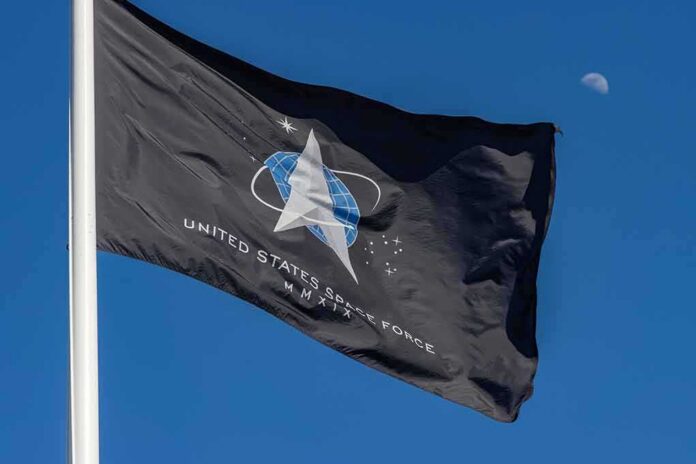
The Space Force just stood up a special operations component that will embed Guardians with elite units worldwide, signaling a bigger military role for space.
Story Snapshot
- Space Force activated a Special Operations Command component effective October 7, 2026.
- The unit, called Space Forces Special Operations Command, is based at MacDill Air Force Base.
- The command will organize, train, and equip space teams for special operations missions.
- The move formalizes support that special operators already relied on, but results will hinge on resources.
What Was Activated And Why It Matters
U.S. Special Operations Command and the U.S. Space Force activated the U.S. Space Forces Special Operations Command, known as SPACEFOR-SOC, to supply trained space teams to special operations missions. The activation took legal effect October 7, 2026, with a ceremony at MacDill Air Force Base in Florida, where the unit will be headquartered. The Space Force says the command will generate and present specialized personnel and force packages to support special operations worldwide, giving leaders one door to knock on for space support.
Officials described the change as making current help more direct and responsive. Special operations forces already use satellite communications, precision navigation, and signals support on raids and in remote areas. SPACEFOR-SOC puts that support under a single command aligned to U.S. Special Operations Command. That setup aims to speed decisions, tighten training, and better match equipment with mission needs, from denied environments to fast-moving crisis response.
How The New Command Fits Into The Defense Structure
The Space Force organizes, trains, and equips Guardians, while combatant commands employ those forces in operations. U.S. Space Command runs broader space operations, but does not replace the need for service components inside other commands. SPACEFOR-SOC serves that role for special operations, much like Army Special Operations Command and Air Force Special Operations Command support the joint headquarters. The model reflects a common Pentagon pattern to clarify who provides what and to whom across the force.
This activation also aligns with the Space Force’s field command system and focuses on tailoring skills to the unique demands of small, agile teams. For special operators, reliable links, precision timing, and awareness of the electromagnetic spectrum often decide success or failure. Embedding trained space professionals with these units can improve planning and execution. It can also guide gear choices, so units bring what they need and leave what they do not, saving weight and time on risky missions.
What Success Will Require Beyond The Flag-Raising
Government Accountability Office reviews have warned that new structures alone do not deliver results without clear authorities, people, and funding. Past space reorganizations prompted findings that it was too early to judge outcomes as roles and processes evolved. Special operations also face safety and training oversight challenges that demand steady attention from headquarters and the services. SPACEFOR-SOC will need to set measurable goals, track performance, and align training with joint standards to prove value in the field.
Congressional research highlights a growing push to integrate allies and partners into space operations, but progress has lagged without firm milestones. If SPACEFOR-SOC wants to help combined special operations teams, it will have to navigate classification limits and share tactics that protect sources while enabling teamwork. The promise is faster, smarter missions with fewer surprises. The risk is more bureaucracy unless leaders streamline approvals and deliver the right experts and tools at the right time.
Why This Touches Broader Public Concerns
Americans across the spectrum worry that the federal government builds new offices without fixing real problems. This move can cut waste and confusion if it speeds support to small units on dangerous jobs. It can also show that leaders are aligning resources to frontline needs, not to headquarters politics. The standard is simple: better outcomes for the people doing the work. SPACEFOR-SOC now has the chance to meet that test by delivering timely, reliable space support where it counts.
Sources:
militarytimes.com, globalsecurity.org, x.com, congress.gov, gao.gov