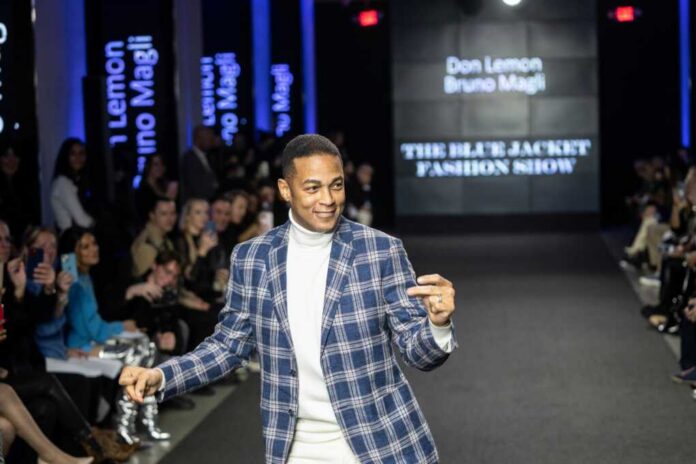
Federal prosecutors charge journalist Don Lemon under a rare law for covering an anti-ICE church protest, but Washington Post video analysis exposes major contradictions in the indictment’s claims.
Story Snapshot
- Washington Post review of Don Lemon’s live-stream shows no participation in threats, obstruction, or intimidation during January 29, 2026, St. Paul church protest.
- Indictment accuses Lemon and two colleagues of FACE Act violations for allegedly interfering with worship access—rare outside abortion clinic cases.
- Lemon identified as a journalist multiple times, interviewed participants for 45 minutes without chanting or blocking anyone.
- The Trump administration, led by AG Pam Bondi, pursued charges after the President’s report calling for arrest, raising press freedom concerns.
- Lemon pleaded not guilty on February 13, 2026, framing it as government intimidation against independent reporting.
Protest Coverage Sparks Federal Indictment
On January 29, 2026, anti-ICE protesters entered a St. Paul church targeting a pastor with alleged ICE ties. Independent journalist Don Lemon live-streamed the event for about 45 minutes. He entered alone, interviewed protesters, churchgoers, and a pastor—not the ICE-linked one. Lemon repeatedly stated, “I’m not part of the group; I’m just here photographing. I’m a journalist.” Video shows him expressing sympathy for disruption without chanting, yelling, or blocking movement. Federal indictment later claimed Lemon conspired to oppress and intimidate congregants under the FACE Act.
WaPo’s Review of Video Appears to Contradict Indictment’s Claims About Don Lemon’s Actions https://t.co/M8BzS2QrrC pic.twitter.com/8v87RmJLJW
— Twitchy Team (@TwitchyTeam) February 15, 2026
Washington Post Video Review Contradicts Charges
The Washington Post analyzed Lemon’s footage, finding no evidence of participation in threats or obstruction. Lemon spent 16 minutes visible near the front but conducted interviews throughout. His producer, Jerome Richardson, chanted, but Lemon did not. The review highlights Lemon’s clear journalistic role, contradicting claims of intimidation. This use of the 1994 FACE Act—typically for abortion clinic blockades—marks a rare application to church protests and reporter coverage. Such charges against journalists covering events undermine First Amendment protections long valued by Americans who cherish free press and limited government overreach.
Precedents show journalists routinely cover protests without charges. An earlier judge declined similar charges against Lemon, yet prosecution proceeded under AG Pam Bondi and Deputy AG Todd Blanche. Bondi called it a “coordinated attack” on the church. The context reflects Trump administration focus on immigration enforcement, including scrutiny of critics like ex-CNN host Lemon, now independent after his 2023 exit.
Arrest and Legal Proceedings Unfold
FBI agents arrested Lemon in Los Angeles on February 13, 2026, during Grammys coverage. About 12 agents handcuffed him in his hotel elevator, denying the self-surrender option. He pleaded not guilty that day in Minneapolis court and was released without bond. Pre-trial status persists with no trial date set. Lemon appeared on Jimmy Kimmel Live February 2, calling the pursuit “intimidation” and criticizing corporate media fear amid shifting to unfiltered independent reporting.
On January 30 Scripps News, Lemon predicted federal pursuit alongside ex-colleague Alisyn Camerota, who voiced journalism community concerns. President Trump reposted calls for Lemon’s arrest, signaling media accountability. Critics decry the spectacle as resource waste, while supporters see enforcement against church interference aligning with protecting worship access and border security—priorities after years of open-border policies fueling frustration over illegal immigration.
Implications for Press Freedom and Enforcement
Short-term charges may chill reporter access to protests, deterring coverage of immigration activism. Long-term, expanding FACE Act risks precedents charging sympathy as conspiracy, testing limits on executive power. Journalists face arrest fears; immigrant rights groups see protest deterrence. Church communities demand security from disruptions. Economically, defendants incur legal costs; politically, it intensifies Trump-media tensions. Independent voices like Lemon gain profile, but corporate outlets worry of being “neutered.” Protecting constitutional rights while securing borders remains key for conservative values of law, order, and family safety.
Sources:
New Washington Post Analysis Exposes Lies About Don Lemon’s Actions in Anti-ICE Protest Coverage
Don Lemon on Jimmy Kimmel Live post-arrest appearance