
As Trump and Iraq’s prime minister hail a “new era” and a major U.S. troop pullout, the fine print shows America leaving bases but not the region — raising hard questions about who really gains when Washington shifts war footprints instead of ending them.
Story Snapshot
- Trump and Iraqi Prime Minister Ali al-Zaidi spotlight U.S. troop withdrawal while keeping a limited military role.
- Washington and Baghdad have agreed on phased cuts from about 5,200 troops and closure of key bases.
- Iraq’s government now claims U.S. forces are gone from its federal territory, but U.S. advisors remain in Kurdistan.
- Analysts warn the drawdown may empower Iran-backed militias and is more “redeployment” than real exit.
Trump’s meeting and the promise to shrink America’s footprint
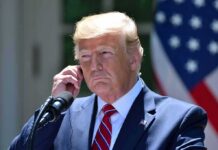
President Donald Trump’s bilateral meeting with Iraqi Prime Minister Ali al-Zaidi is the latest step in a long push to cut the U.S. military presence in Iraq while claiming to defend American interests. In earlier talks with Iraqi leaders, Trump said he wanted all U.S. troops out of Iraq and Syria and called the conflicts “endless wars.” At the same time, he has leaned on the idea that the United States can still protect its position through oil deals and limited forces, not large armies.
During this visit, officials from both countries highlighted security, energy, and economic issues, with a special focus on Iranian aggression and Islamic State threats. The Iraqi government signaled interest in new oil and gas agreements, tying economic cooperation to the changing security relationship. That mix of fewer troops but deeper economic ties hits nerves for many Americans who feel elites use foreign policy to profit while ordinary people carry the costs in taxes, debt, and lost sons and daughters.
What the withdrawal deal really does, and what it does not
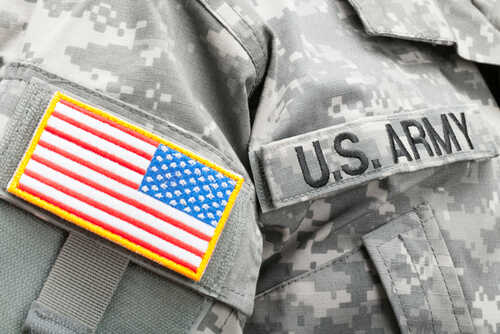
Under the current framework, U.S. Central Command cut troops from about 5,200 to roughly 3,000 and began closing long-used bases such as Al-Asad Airbase and facilities at Baghdad International Airport. A separate Iraqi announcement in January 2026 declared a “complete withdrawal” of U.S. forces from federal territory, meaning areas directly controlled by Baghdad. However, that same statement confirmed that several hundred American advisors and security staff would stay in the Kurdistan region for counterterrorism work, so the exit is not truly total.
Regional reporting adds that Washington and its partners agreed to end the coalition mission by late 2025 or 2026, with a phased drawdown leading to a smaller, more focused presence. Gulf-based analysts describe this change as redeployment rather than a clean break, warning that U.S. forces are being repositioned, not removed from the wider neighborhood. For citizens on both the right and the left who are tired of “forever wars,” this kind of half-withdrawal feels like more of the same: numbers fall, press releases boast, but military and intelligence footprints remain.
Iran, militias, and the risk of a power vacuum
Trump has linked the withdrawal to ending what he calls Iranian “military bullying” in Iraq, arguing that bringing U.S. troops home can still weaken Tehran’s hand. Yet the available record provides no intelligence assessments, court documents, or official studies proving that Iran’s influence will shrink simply because U.S. units leave federal Iraqi bases. On the contrary, expert commentary from the Gulf International Forum and others warns the drawdown may be the “calm before the storm,” with Iran-backed militias ready to exploit the reduced American footprint.
🇮🇶 🇺🇲 Trump, confirming the withdrawal directly: "We don't think we need the military there anymore."
Iraq's Prime Minister, at the White House: "I have a decision to confine weapons exclusively to the state in Iraq. After September 30, there will be no need for armed factions…
— The Tectonic (@thetect0nic) July 14, 2026
Reports from the region note that militant groups tied to Iran have continued attacking U.S. forces and facilities during the planning and early stages of the withdrawal. That pattern suggests they see the process as a chance to push harder, not a sign of retreat. For many Americans, this raises a deeper worry: our leaders promise to “end endless wars,” but they may be trading one kind of danger for another, leaving fragile states to face stronger militias while U.S. strategy stays focused on short-term political wins.
Economic partnership, oil deals, and the elites’ shadow
Alongside troop cuts, Trump and al-Zaidi are promoting a wider economic partnership, especially in oil and gas. Iraqi officials expect new deals to be signed during the prime minister’s visit, framed as a path to rebuild Iraq’s economy and give U.S. companies access to energy resources. Supporters say this shift replaces costly security spending with profitable trade. Critics across the spectrum see something more troubling: Washington trading boots on the ground for boardroom influence, keeping U.S. power in Iraq through corporations rather than soldiers.
Advocacy groups and policy analysts note a familiar pattern. Defense contractors and energy firms have strong reasons to lobby for arrangements that keep the United States deeply involved, even as troop numbers fall. When regular Americans hear about “strategic partnerships” and “investment frameworks,” many suspect these are deals shaped by and for the same elites who have managed past wars and withdrawals. The Iraq drawdown, like earlier ones, shows how hard it is to separate real national security needs from the interests of powerful players who rarely pay the price when policies fail.
Sources:
youtube.com, apnews.com, responsiblestatecraft.org, timesofisrael.com, en.wikipedia.org, cnn.com, bbc.com