The Justice Department’s “largest-ever” trade fraud crackdown shows Washington can move fast when billions in tariffs are at stake, even as many Americans feel the system rarely moves that fast for them.
Story Snapshot
- The Department of Justice (DOJ) Trade Fraud Task Force has already surpassed $1 billion in recoveries in under a year, according to officials.
- The cross‑agency task force targets schemes like fake country‑of‑origin claims, misclassified goods, and undervalued imports to dodge U.S. tariffs.
- DOJ is shifting from civil fines to criminal prosecutions, treating trade fraud as a national and economic security threat tied to the America First trade agenda.
- Heavy use of data analytics and whistleblower tips raises both hopes of catching real cheats and fears of politicized, “guilty‑until‑proven‑innocent” enforcement.
DOJ Unveils a Cross‑Agency Crackdown on Trade Fraud
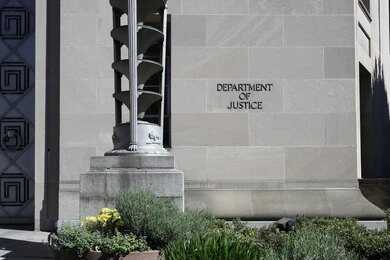
The United States Department of Justice launched the Trade Fraud Task Force in August 2025 as a joint project with the Department of Homeland Security. The task force brings together criminal prosecutors, civil fraud lawyers, customs officials, and trade investigators to go after companies and individuals who dodge tariffs or smuggle banned goods. Officials say the goal is “robust enforcement” against importers who defraud the United States by cheating on customs rules and duty payments.
This effort is not just about paperwork mistakes. The task force is aimed at willful or knowing violations, meaning schemes where people knowingly lie to save money. The Justice Department says the group will use the Tariff Act of 1930, the False Claims Act, and criminal fraud laws to collect unpaid duties and bring criminal cases when needed. That means companies that once faced only back‑tax bills may now see indictments, asset seizures, and prison time if prosecutors can prove intent.
How the Crackdown Works: Targets, Tools, and Tactics
Task force leaders say they are zeroing in on specific types of fraud: misclassifying goods under the tariff schedule, lying about where products were made, undervaluing shipments, and using transshipment through third countries to hide true origins. These tricks can slash tariff bills and undercut honest American businesses that follow the rules. DOJ guidance describes common patterns, like claiming a product is a cheaper category than it really is, or routing goods through another nation without real changes, just to dodge trade penalties.
To find cases, the task force leans heavily on data. Customs and Border Protection uses an Automated Targeting System to scan cargo records and flag odd “data shifts” that suggest false statements. The Justice Department then reviews those anomalies for possible fraud investigations. Officials have also encouraged whistleblowers to report tariff‑evasion schemes to the Criminal Division’s Corporate Whistleblower Program, offering potential rewards under the False Claims Act. Supporters say this data‑driven and whistleblower‑heavy model helps catch secret schemes; critics worry it can create pressure to assume guilt based on statistics alone.
From Civil Fines to Criminal Cases Under America First Policy
For years, customs fraud was mostly treated as a civil issue, handled by agencies focused on collecting missing duties. Legal alerts note that the new task force marks a clear shift toward criminal enforcement, with trade fraud now described as a “front‑line threat” to national and economic security. The Market, Government, and Consumer Fraud Unit is now embedded in the task force, coordinating both criminal and civil actions against tariff evasion and smuggling. In 2025 alone, the Fraud Section charged 265 people and secured 235 convictions across its portfolio, with trade cases flagged as a growing share.
Deputy Assistant Attorney General Brenna Jenny and other officials have tied this effort directly to President Trump’s America First Trade Policy. The Justice Department says cracking down on trade fraud will boost government revenue, protect domestic industries, and defend American workers from “below‑market, industry‑destabilizing goods.” Many conservatives see this as long‑awaited action against globalist trade games that hollowed out U.S. manufacturing. Many liberals, while wary of Trump‑branded policies, still worry about big multinationals gaming the system while ordinary families struggle with rising prices.
Big Numbers, Media Hype, and Uneasy Questions
Task force leaders report roughly $140 million already recovered in settlements as of early 2026, with a larger “pipeline” of cases in progress. Some law firm analyses describe recent resolutions collecting more than $30 million in civil penalties and tariffs in single actions. Cable outlets and social media have seized on DOJ talking points, promoting press events as the “largest‑ever trade fraud crackdown” and citing more than $1 billion in recoveries in under a year. That headline fits public anger at cheating importers, but the underlying data and list of defendants are not fully public yet.
.@FoxNews: DOJ UNVEILS LARGEST-EVER TRADE FRAUD CRACKDOWN
"In just under a year since @TheJusticeDept and @DHSgov launched the Trade Fraud Task Force, officials say their work has passed more than a BILLION dollars in recoveries…" pic.twitter.com/oMU9yNQVTv
— Rapid Response 47 (@RapidResponse47) July 14, 2026
While rhetoric is loud, enforcement statistics still show a mixed picture. One client alert notes that overall DOJ enforcement activity in 2026 is “down significantly,” even as the task force ramps up and warns of growing risk for importers. Heavy reliance on whistleblower lawsuits—over 1,200 False Claims Act cases filed in the same period—raises worries about bounty‑driven evidence and “data miner” whistleblowers who profit from turning in companies. For Americans on both the right and the left who already suspect that Washington helps insiders more than regular workers, this crackdown feels like a test: is the government finally punishing real fraud at the top, or just staging another showy dragnet that still leaves the deepest problems untouched?
Sources:
facebook.com, jdsupra.com, justice.gov, mayerbrown.com, shb.com, bhfs.com, whitecase.com, shumaker.com, finance.yahoo.com, akingump.com, cov.com, blankrome.com, faegredrinker.com, descartes.com