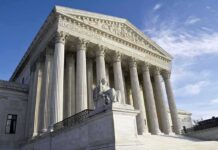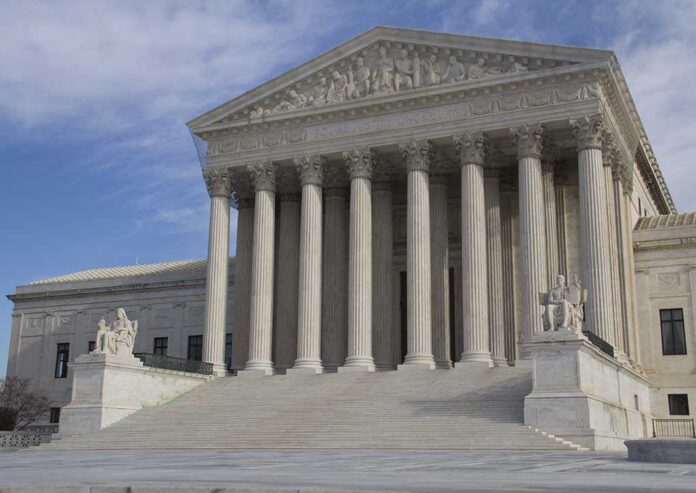
The Supreme Court’s June ruling scrapped a 91-year-old guardrail on presidential power and put dozens of “independent” agencies under White House control this summer.
Story Snapshot
- The Court struck down “for cause” firing limits for Federal Trade Commission commissioners and overruled Humphrey’s Executor.
- The 6-3 decision expands presidential removal power across many multi-member agencies Congress built to be independent.
- Supporters say this restores Article II accountability; critics warn it erodes checks and balances.
- The Court’s path follows earlier cases that narrowed agency insulation from presidential control.
What The Court Decided And Why It Matters
On June 29, the Supreme Court ruled that the law protecting Federal Trade Commission commissioners from being fired except “for cause” is unconstitutional. The Court said that such limits violate separation of powers and overruled the 1935 case Humphrey’s Executor, which had allowed these protections. The decision means President Trump, and future presidents, can remove Federal Trade Commission commissioners at will. A Dentons analysis and court reporting confirm the holding and its reach.
SCOTUSblog reported the ruling gives the President sweeping new authority over about two dozen multi-member agencies that Congress intended to shield from politics. That includes boards that set rules for markets, labor, and communications. This shift makes it easier for a President to replace agency leaders who resist policy goals. It also makes those leaders more likely to track the White House line, for better or worse, on enforcement and rulemaking.
How We Got Here: The Long Fight Over Removal Power
The Court grounded its move in a line of cases about the President’s duty to control the executive branch. A Congressional Research Service report explains that Myers v. United States in 1926 recognized broad presidential power to remove executive officials. Later decisions like Seila Law and Collins v. Yellen trimmed special protections for certain agency heads. The latest ruling continues that trend by targeting multi-member commissions once seen as insulated.
Harvard Law Review’s survey shows the Court has pushed back on double-layer protections and single-director shields. Supporters argue voters should be able to hold one person—the President—responsible for how agencies act. They say insulated commissions formed a “headless” branch with too little accountability. Critics respond that independence guards against sudden political swings, protects markets, and limits favoritism toward well-connected players.
What Changes Now For Citizens And Markets
Agencies that police competition, set labor rules, or oversee utilities could change course faster. Presidents may move quickly to replace commissioners who block their agendas. That could speed decisions on mergers, antitrust cases, and worker protections. Rapid turnover can bring clear direction but also risk whiplash for businesses and workers. People across the spectrum worry that elites game the system; this shift could either curb that power or make it easier for the politically connected to call the shots.
🚨 BREAKING:
🇺🇸 Donald Trump's presidential immunity has reportedly been lifted in connection with the Epstein case following a U.S. Supreme Court ruling.
The decision clears the way for potential criminal prosecution and could intensify legal efforts that may ultimately…
— Abbas Araghchi Parody (@RealAraghchi) August 1, 2026
For conservatives, the decision answers long-held anger about unaccountable regulators who raise costs, slow energy projects, and push social policies. For liberals, it deepens concern that powerful interests will capture agencies and sideline consumer and worker safeguards. For many Americans, it feeds a broader view that Washington serves insiders first. Whether this ruling fixes that problem or makes it worse will show in how these agencies handle cases in the months ahead.
Limits, Open Questions, And What To Watch
Coverage indicates the Court left some room for exceptions, including potential special treatment for the Federal Reserve in related litigation. But the precise boundaries are still taking shape in follow-on cases. Until more opinions arrive, lawyers and officials will test how far the new rule reaches. Watch for rapid leadership changes, revised enforcement plans, and fresh court fights as Congress, agencies, and the White House adjust to the new map of power.
Sources:
thegatewaypundit.com, dentons.com, congress.gov, facebook.com, cbsnews.com