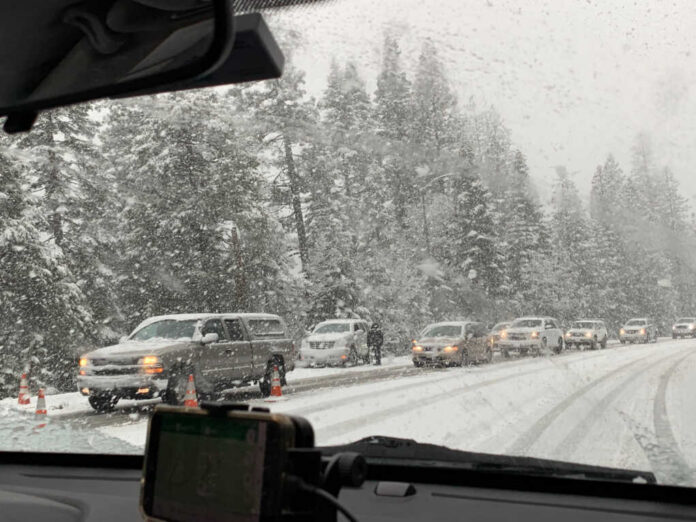
A massive winter storm barreling into Northern California during Presidents Day weekend threatens to trap thousands of holiday travelers with whiteout conditions and up to seven feet of snow, exposing how unprepared many Americans are when nature disrupts their plans.
Story Snapshot
- Winter storm watch issued for Northern California’s Sierra Nevada and foothills through Wednesday, February 18, 2026, with up to seven feet of snow expected at higher elevations
- National Weather Service warns of a narrow travel window closing Sunday morning before major highway closures and whiteout conditions begin
- Storm arrives after unusually mild 2026 winter weather, catching holiday travelers off guard during peak Presidents Day weekend ski resort traffic
- Local authorities from South Lake Tahoe to Shasta County urge immediate preparations as blizzard conditions threaten populated foothill communities
Storm Timing Creates Perfect Disruption
The National Weather Service Sacramento issued a winter storm watch effective Sunday night through Wednesday night, targeting Northern California’s Sierra Nevada region during one of the busiest travel weekends of the year. Meteorologist Dakari Anderson identified Saturday through Sunday morning as the “best travel window” before conditions deteriorate rapidly. The storm represents the coldest system of the 2026 season, arriving after spring-like warmth dominated the region for weeks. This timing creates maximum disruption as families head to popular ski destinations like Lake Tahoe and Donner Pass for the three-day holiday weekend.
HNX continues Winter Storm Warning valid at Feb 15, 10:00 PM PST till Feb 18, 10:00 PM PST https://t.co/tyFqKE153I pic.twitter.com/E3REek8Qq1
— USA Weather Bot (@USAWeatherAI) February 15, 2026
Unprecedented Snow Levels Threaten Populated Areas
Forecasters predict one to two feet of snow at elevations between 3,000 and 4,000 feet, with accumulations escalating to six to eight feet at higher elevations like Blue Canyon. Donner Pass could receive up to seven feet of total snowfall by Wednesday. Unlike typical Sierra storms that primarily affect remote peaks, this system drops snow levels to 1,500 feet, impacting populated foothill communities including Blue Canyon, Colfax, and South Lake Tahoe. The storm will deliver two to four inches of rain in valleys and foothills, accompanied by wind gusts reaching 50 mph. Blizzard-like conditions with potential thunder-snow will create impassable roads and extremely low visibility across major transportation corridors.
Local Authorities Sound Urgent Warnings
The City of South Lake Tahoe warned residents via Facebook to expect delays, possible road closures, and whiteout conditions beginning Monday. The Shasta County Sheriff’s Office urged Saturday preparations through social media, noting “winter is set to show it’s not quite done yet.” Anderson emphasized that while highest snowfall totals will occur in hard-to-reach places, significant accumulation will also blanket populated areas, creating dangerous conditions for the unprepared. These warnings reflect lessons from January 2026’s Winter Storm Fern, which caused over 10,000 flight cancellations and emergency declarations across 24 states, though that event primarily impacted the eastern United States rather than California.
Economic and Safety Consequences Mount
The storm threatens significant economic disruption to Northern California’s tourism industry during a peak revenue weekend. Ski resorts face operational challenges while travelers risk becoming stranded on highways like Interstate 80, where chain controls and closures are likely. The transportation sector faces compounding problems as airport operations may be compromised and commercial traffic halted. Foothill residents in remote areas risk isolation as roads become impassable. While the snowpack boost benefits California’s water supply long-term, immediate risks include avalanche danger and infrastructure strain. The combination of holiday traffic, inadequate preparation after mild weather, and extreme conditions creates a scenario where individual responsibility and government warnings collide with people’s desire to enjoy their freedom to travel.
This storm serves as a reminder that nature operates on its own schedule, regardless of human plans or government forecasts. Families planning Presidents Day getaways face a choice between heeding expert warnings and canceling plans, or pushing forward and accepting significant risk. The narrow preparation window closing Sunday morning demands immediate decision-making from thousands of travelers. Local authorities and the National Weather Service have fulfilled their responsibility by providing timely, accurate warnings. What happens next depends on whether individuals exercise common sense and personal responsibility, or ignore warnings and create emergency situations requiring taxpayer-funded rescues. The storm’s intensity after a mild winter underscores the unpredictability of weather patterns and the importance of self-reliance over dependence on ideal conditions.
https://youtu.be/qjEjdusFbNM?si=4hXRoJGZkYqIH9tx
Sources:
Winter storm threatens travel across Northern California this Presidents Day weekend
February 2026 cold storm brings heavy rain, wind, and snow to Northern California
Winter storm threatens travel across Northern California this Presidents Day weekend
Major travel impacts expected as winter storm watch is issued for Northern California